Contents:
- Why Favorite Flowers Carry Extra Meaning
- The Favorite Flower Gift Meaning by Relationship Type
- From a Romantic Partner
- From a Friend
- From a Family Member
- From an Acquaintance or New Connection
- What Common Favorite Flowers Suggest About the Giver
- How to Respond When Someone Gives You Their Favorite Flower
- Common Mistakes to Avoid
- Frequently Asked Questions
- What does it mean when someone gives you their favorite flower?
- Is receiving someone’s favorite flower a sign of romantic interest?
- What should I say when someone gives me their favorite flower?
- Does the type of flower change what it means?
- How long will a gifted favorite flower last?
- Making the Moment Last
In Victorian England, people sent flowers the way we send texts today — quickly, deliberately, and loaded with subtext. The practice of floriography, or the language of flowers, was so refined that a single bloom could communicate what polite society wouldn’t allow spoken aloud. A suitor might send a yellow tulip to declare hopeless love, or a striped carnation to signal refusal. Gifting a personal favorite flower — one tied to identity and memory — carried even more weight. It still does.
Receiving someone’s favorite flower as a gift is different from receiving a generic bouquet. It’s specific. It’s personal. Understanding the favorite flower gift meaning requires looking at both the flower’s traditional symbolism and the relationship behind the gesture.
Why Favorite Flowers Carry Extra Meaning
Most people settle on a favorite flower sometime in childhood or early adulthood, often linked to a specific memory — a grandmother’s garden, a first date, a childhood backyard. When someone gives you their favorite flower rather than yours, the act shifts the center of gravity. They’re not trying to please your taste. They’re sharing a piece of themselves.
Think of it like someone lending you their most-read book or cooking their comfort meal for you. The gesture says: this matters to me, and I want you to have it.
Psychologists who study gift-giving behavior note that personal gifts — ones tied to the giver’s identity — create stronger emotional bonds than gifts selected purely for the recipient’s preferences. A 2026 study published in the Journal of Consumer Research found that givers who shared something personally meaningful to them were rated as more caring and attentive, even when the gift wasn’t perfectly matched to the recipient’s taste.
The Favorite Flower Gift Meaning by Relationship Type
Context matters enormously. The same sunflower handed over by a coworker, a parent, or a romantic partner carries a completely different message.
From a Romantic Partner
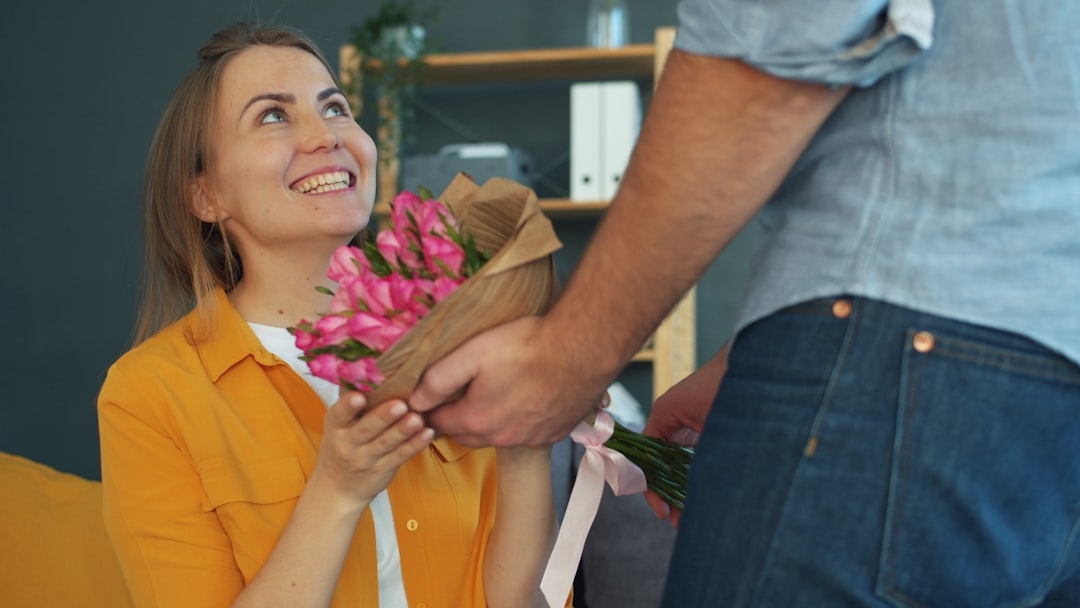
This is vulnerability in botanical form. Choosing their favorite flower — rather than the classic red rose — suggests they’re moving beyond convention and offering something authentic. It often signals a deeper level of emotional intimacy, the kind that says “I want you to know me, not just receive flowers from me.”
From a Friend
Friendship-based flower gifting with a personal favorite usually marks a milestone: a significant birthday, a tough season you got through together, or a quiet “I’m thinking of you.” It signals that the friendship has moved past surface-level pleasantries into genuine closeness.
From a Family Member
When a parent or sibling gives you their favorite flower, it often carries generational weight. A mother who loved peonies her whole life and gifts them to her daughter at graduation is passing something forward — not just a flower, but an identity, a memory, a connection to shared history.
From an Acquaintance or New Connection
Here, the gesture can feel surprising and even a little intense. Receiving someone’s favorite flower early in a relationship — professional or personal — typically signals that they want to fast-track emotional closeness. Pay attention to the surrounding context before reading too much into it.
What Common Favorite Flowers Suggest About the Giver
Flower preferences aren’t random. Research from the Society of American Florists suggests that sunflowers and lavender have surged in popularity over the past decade, particularly among millennials, while classic roses and lilies remain dominant across all age groups. Here’s what some of the most common favorites tend to reveal about the person giving them:
- Sunflowers: Optimism, loyalty, warmth. Sunflower lovers tend to be socially generous and grounded.
- Peonies: Romanticism, a love of beauty, and a tendency toward sentimentality. Peony enthusiasts often value home, comfort, and lasting relationships.
- Orchids: Elegance, precision, and a certain pride in refinement. Orchid people often appreciate complexity and patience.
- Wildflowers (mixed): Freedom, creativity, an aversion to convention. This favorite often belongs to people who resist being categorized.
- Roses (not the red ones — specifically another color): A nuanced romantic. They know the tradition but want to work within it on their own terms.
- Lavender: Calm, intentionality, and a deep preference for authenticity over performance.
These are tendencies, not certainties. But they offer a starting point for understanding what someone’s floral identity might say about how they see the world — and you.
💡 What the Pros Know
Professional florists often say that the most meaningful arrangements aren’t built around the recipient — they’re built around the story between two people. If someone gives you their favorite flower, ask them why it’s their favorite. That story is the real gift. A skilled florist can even help you press or preserve the bloom so the moment lasts; professional flower pressing services typically run $30–$80 depending on the arrangement size.
How to Respond When Someone Gives You Their Favorite Flower
Most people focus entirely on saying “thank you,” which is fine — but there’s an opportunity to go deeper. Since the giver has shared something personal, the most meaningful response acknowledges that specificity.
Try: “I didn’t know this was your favorite — tell me why.” That single question turns a moment of receiving into a genuine exchange. It signals that you recognized the gesture for what it was: a form of self-disclosure, not just a transaction.
If you want to reciprocate at some point, resist the urge to give the same flower back immediately. Wait, then offer something that reflects your own favorite — turning it into a mutual exchange of personal symbols rather than an echo.
Common Mistakes to Avoid
- Assuming it’s romantic by default. A favorite flower gift carries emotional weight across all relationship types. Don’t project a meaning that isn’t there.
- Ignoring the flower’s condition. If the bloom arrives wilted, that’s usually about logistics, not feelings. Most cut flowers have a vase life of 5–10 days; peonies and sunflowers lean toward 5–7 days, while orchids can last 2–3 weeks with proper care.
- Treating it like any other bouquet. Don’t shove it in a vase without comment. Acknowledge the gesture specifically — even briefly.
- Over-researching the symbolism. Traditional floriography is a guide, not a rulebook. A person’s individual attachment to a flower almost always outweighs its historical meaning.
- Forgetting to care for it properly. Trim stems at a 45-degree angle, change the water every two days, and keep flowers away from direct sunlight and fruit bowls (ethylene gas from ripening fruit shortens vase life significantly).
Frequently Asked Questions
What does it mean when someone gives you their favorite flower?
It means the giver is sharing something personally meaningful rather than choosing based on generic appeal. The gesture signals emotional intimacy, vulnerability, and a desire to be known — not just to give a gift.
Is receiving someone’s favorite flower a sign of romantic interest?
Not necessarily. The favorite flower gift meaning depends heavily on the relationship. It can signal romance, deep friendship, familial connection, or admiration — the relationship context determines which.
What should I say when someone gives me their favorite flower?
Acknowledge the specificity of the gesture. Saying something like “I didn’t know this was your favorite — what’s the story?” shows you received the emotional layer of the gift, not just the flowers.
Does the type of flower change what it means?
The flower type adds symbolic texture, but the more important variable is the personal significance the giver holds for it. A wildflower someone picked from a childhood field carries more meaning than a standard orchid with no personal history.
How long will a gifted favorite flower last?
Most fresh-cut flowers last 5–12 days with proper care: clean water, trimmed stems, and a cool location away from direct heat and fruit. Orchids are an exception and can last 2–3 weeks. Ask your local florist about preservation options if you want to keep it longer.
Making the Moment Last
Once you understand the favorite flower gift meaning, you can’t really un-see it. Flowers stop being decoration and start being a kind of language — one that’s been spoken between people for centuries without needing a dictionary. The next time someone hands you their favorite bloom, you’ll know: this isn’t just a flower. It’s a form of trust.
If you want to go further, consider starting your own floral vocabulary. Learn what your favorite flower is and why. Knowing it makes the exchange richer — and gives you something genuine to offer back when the moment calls for it.