Contents:
- Why Someone Gives a Flower Instead of Just Saying Something
- Decoding the Crush Gives Flower Meaning by Bloom Type
- What the Color Adds
- Context Clues That Change the Interpretation
- Flower as Romantic Signal vs. Flower as Friendly Gesture: The Key Difference
- Common Mistakes to Avoid
- Practical Tips: What to Do Next
- Frequently Asked Questions
- What does it mean when your crush gives you a single flower?
- Does the type of flower matter when someone gives it to you romantically?
- Can a flower from your crush just mean friendship?
- How should I respond when my crush gives me a flower?
- What if my crush gave me a flower but hasn’t said anything else since?
- What This Moment Is Actually Telling You
You’re replaying the moment in your head. The flower is sitting on your kitchen counter — maybe in a glass of water, maybe already pressed between two books — and you can’t stop wondering what it meant. That mental loop is completely normal. The crush gives flower meaning question is one of the most searched romantic signals online, and for good reason: flowers carry a compressed emotional vocabulary that most people feel but rarely decode consciously.
Flowers have served as romantic messengers for centuries. The Victorian practice of “floriography” — assigning specific meanings to specific blooms — was so elaborate that entire dictionaries were published to decode arrangements. Today’s flower-giving is less formal, but the emotional logic holds. People reach for flowers when words feel inadequate or too exposed.
Why Someone Gives a Flower Instead of Just Saying Something
Handing someone a flower is a low-risk, high-signal move. It communicates warmth without demanding a verbal response. Psychologically, gift-giving activates the brain’s reward circuitry in both the giver and the receiver — a 2020 study published in Emotion found that even small, unexpected gifts produced measurable increases in positive affect and social closeness. A flower fits that profile precisely: small, unexpected, and loaded with symbolic weight.
Your crush likely chose a flower over a text or a direct confession because it creates interpretive space. If you respond warmly, they feel encouraged. If you seem neutral, they haven’t fully exposed themselves. It’s emotionally strategic, even when it’s entirely unconscious.
Decoding the Crush Gives Flower Meaning by Bloom Type
The flower itself is a message. Here’s what the most commonly gifted flowers typically communicate in a romantic context:
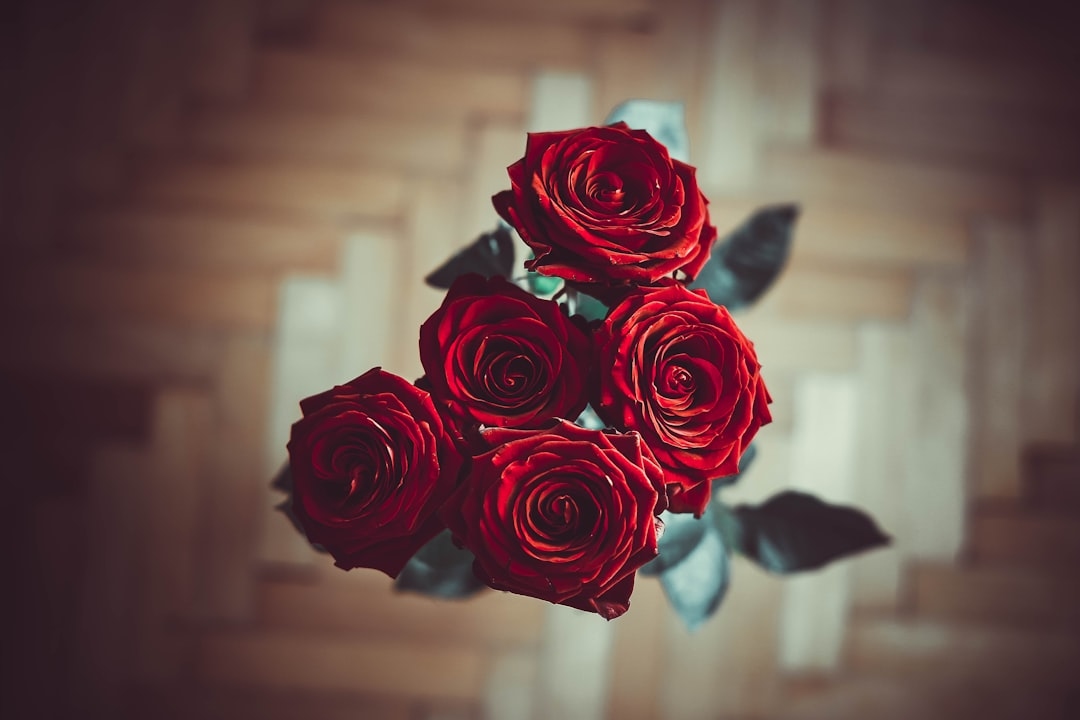
- Red rose: Classical romantic desire. Giving a single red rose is the least ambiguous gesture in the floral vocabulary. It signals attraction and intentionality.
- Sunflower: Warmth, admiration, and joy. A sunflower says “being around you feels good” — slightly softer than a rose, but still clearly affectionate.
- Daisy: Playful, innocent affection. Often given early in a connection when feelings are present but not yet declared.
- Tulip: In red or pink, tulips signal deep affection and a desire for a real connection. Yellow tulips, historically associated with hopeless love, are now more commonly read as cheerful and friendly.
- Lavender or wildflowers: Thoughtfulness and attentiveness. Someone who picks or arranges wildflowers for you is paying close attention to small details — which is its own form of intimacy.
- White lily: Purity and admiration. Less common as a spontaneous romantic gesture, but meaningful when chosen deliberately.
What the Color Adds
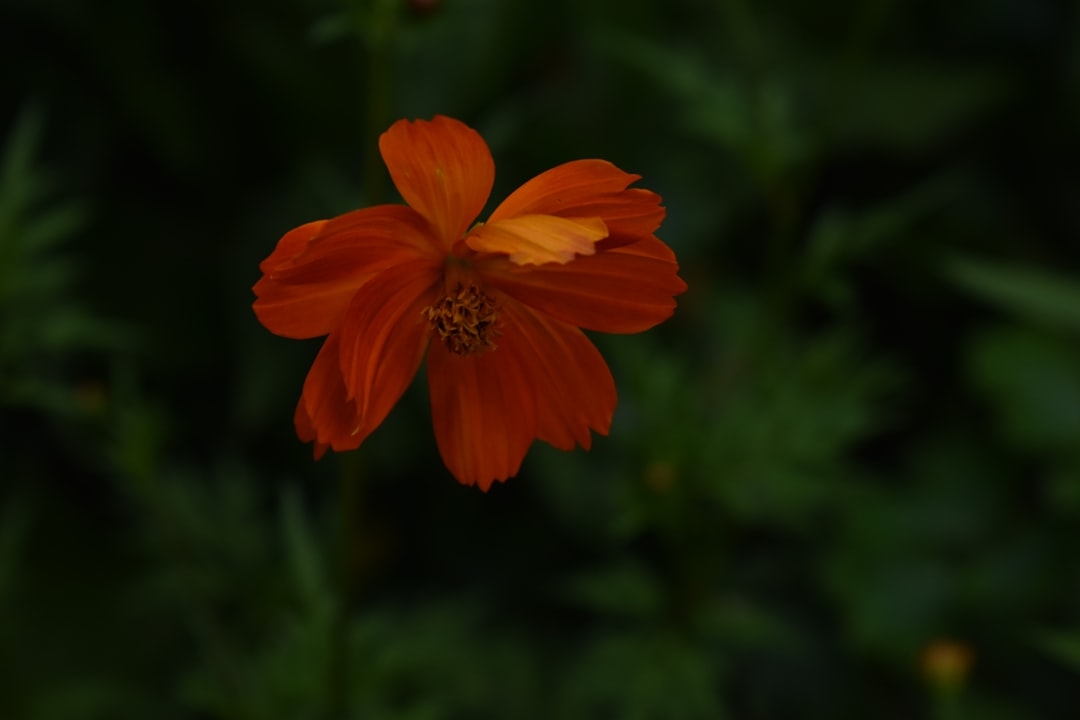
Even within the same bloom, color shifts the meaning. Red signals passion. Pink signals tenderness and early-stage romance. Yellow signals friendship or happiness (context matters here). White signals reverence or sincerity. Orange signals enthusiasm and fascination. If your crush handed you a coral or peach-toned flower, they likely chose it for its warmth — that’s someone who thinks visually and wanted to give you something beautiful, which is itself the point.
Context Clues That Change the Interpretation
A flower given at the end of a long conversation means something different from one slipped into your bag without comment. Consider these contextual signals:
- Spontaneous vs. planned: A flower bought from a florist and brought specifically for you required forethought. A flower plucked from a garden on impulse required courage. Both matter, in different ways.
- Public vs. private: Giving a flower in front of others is a bolder declaration. It signals that your crush isn’t embarrassed by their feelings.
- With words vs. without: A flower handed over silently — maybe with eye contact and a small smile — often carries more emotional charge than one accompanied by an explanation. The silence does the work.
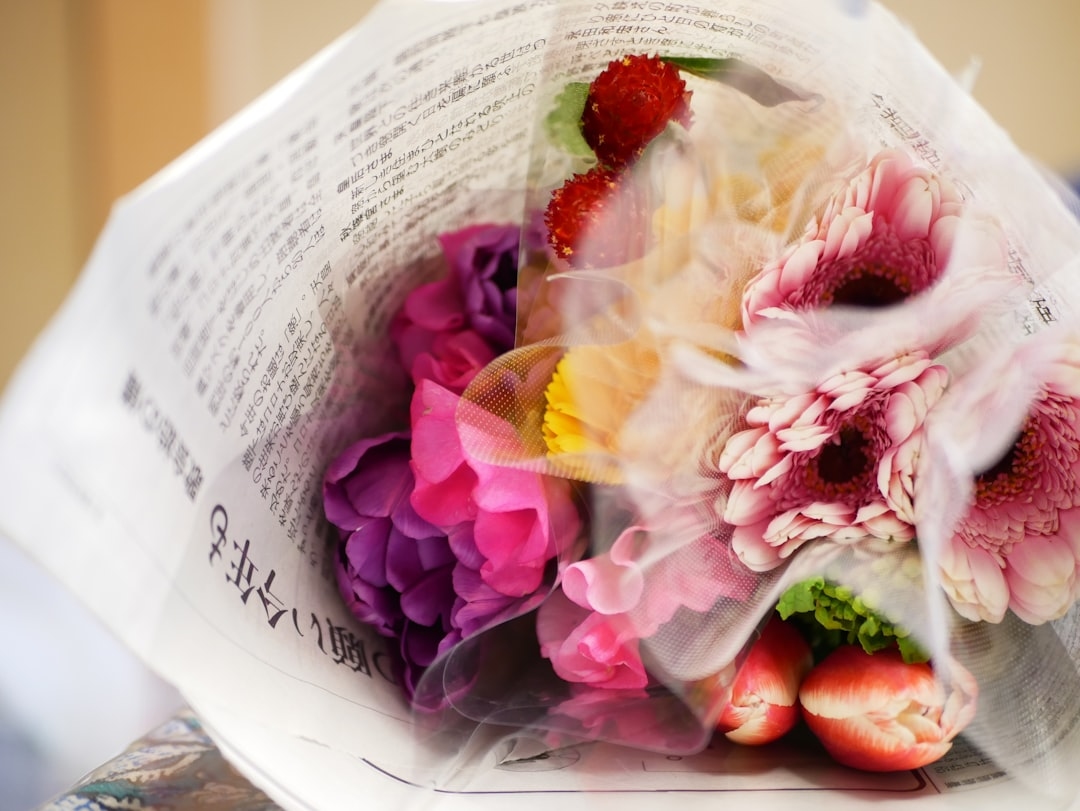
- Single stem vs. bouquet: A single stem is more intimate. A bouquet of mixed flowers, especially one that appears curated, shows effort and aesthetic consideration.
Flower as Romantic Signal vs. Flower as Friendly Gesture: The Key Difference
This is where people get tangled. Not every flower is a declaration of love. Sometimes a friend gives you flowers because you had a hard week. The distinction usually comes down to three factors:
- Prior context: Has there been flirtation, sustained eye contact, or other signals before this moment? A flower rarely appears in isolation.
- The flower’s character: Red roses and pink tulips skew romantic. Sunflowers and daisies can read as friendly. Wildflowers depend heavily on how they were given.
- Delivery energy: Nervousness, lingering, or unusual attentiveness during the handoff are harder to fake than the gesture itself.
A friend gives you flowers and moves on. Someone with feelings gives you flowers and watches to see how you receive them.
Common Mistakes to Avoid
Receiving a flower gracefully — and reading it accurately — means sidestepping a few predictable errors:
- Over-explaining your reaction: A warm “thank you, this is really lovely” is complete. You don’t need to immediately clarify your feelings or ask what it means out loud.
- Dismissing it as “just being nice”: That interpretation protects you from vulnerability, but it also keeps you stuck. If other signals support romantic interest, take them seriously.
- Googling the flower for 45 minutes instead of noticing how you feel about it: The meaning of the flower matters less than your own response to receiving it. Do you feel pleased? Nervous in a good way? That’s information.
- Waiting too long to respond: If the gesture clearly meant something, acknowledge it within a day or two — a text saying you put it in water and it’s still beautiful goes a long way.
Practical Tips: What to Do Next
Once you’ve received the flower and had a moment to process, here’s a grounded approach:
- Care for the flower intentionally: Trim the stem at a 45-degree angle, place it in clean water with a small amount of sugar (about 1 teaspoon per quart), and keep it away from direct heat. This extends the bloom by 3–5 days and gives you something to reference in conversation.
- Send a follow-up message: Something low-pressure: “The flower is still looking great on my windowsill.” This opens a door without pushing through it.
- Create an opportunity: If the feelings are mutual, the flower is an invitation. Suggest coffee, a walk, or any low-stakes shared activity. The flower did the heavy lifting — now you just have to show up.
- If you’re unsure how you feel: That’s okay. You don’t owe anyone an immediate answer. Sit with it. Notice what thoughts come up when you look at the flower over the next few days.
Frequently Asked Questions
What does it mean when your crush gives you a single flower?
A single flower is more intimate than a bouquet. It’s a focused, deliberate gesture rather than a showy one. Most often, it signals genuine affection and personal attention — your crush wanted to give you something meaningful without making it theatrical.
Does the type of flower matter when someone gives it to you romantically?
Yes, though context shapes interpretation. Red roses signal romantic desire most clearly. Pink flowers — roses, tulips, carnations — indicate tenderness and early affection. Wildflowers or uncommon blooms often reflect personal thoughtfulness, which can be more meaningful than a conventional choice.
Can a flower from your crush just mean friendship?
It can, but it’s less common. Friendship flowers tend to appear in group settings or after significant events (a performance, a hard week). A flower given one-on-one, with some degree of nervousness or ceremony, almost always carries romantic weight.
How should I respond when my crush gives me a flower?
Thank them warmly and specifically — “this is really thoughtful” lands better than a generic “thanks.” Make brief eye contact. If the feelings are mutual, follow up within 24–48 hours with a small message referencing the flower. This signals that it mattered to you.
What if my crush gave me a flower but hasn’t said anything else since?
Flowers are often a test of receptivity. If your crush has gone quiet, they may be waiting to see how you respond before saying more. A warm, open follow-up message from you is likely all that’s needed to move things forward.
What This Moment Is Actually Telling You
The crush gives flower meaning question has a short answer and a longer one. The short answer: they like you, and they wanted you to know it without having to say it directly. The longer answer is that a flower is an opening, not a conclusion. It’s the beginning of a conversation that hasn’t been spoken yet.
Take the flower seriously. Not with anxiety — with attention. Notice what the bloom is doing to your windowsill, your mood, and your thoughts over the next few days. Then decide what you want to say back. The gesture is already in motion. You get to choose what comes next.