Contents:
- The Core Meanings Behind Sweet Pea Symbolism
- What Different Sweet Pea Colors Symbolize
- Pink Sweet Peas
- White Sweet Peas
- Purple and Lavender Sweet Peas
- Red and Coral Sweet Peas
- Sweet Peas as Birth Flowers and Astrological Symbols
- A Story That Captures It Perfectly
- When to Give Sweet Peas: Practical Gifting Guidance
- Keeping Sweet Peas Fresh Longer
- Sweet Peas in Literature and Pop Culture
- FAQ: Sweet Pea Symbolism
- What do sweet peas symbolize in a bouquet?
- Are sweet peas associated with any particular emotion?
- What does it mean to receive sweet peas as a gift?
- Can sweet peas be used at weddings?
- What is the birth flower meaning of sweet peas?
- Carry the Meaning Forward
In 1699, a Sicilian monk named Father Francis Cupani sent sweet pea seeds to England, unknowingly launching a floral obsession that would grip Victorian society for two centuries. By the early 1900s, King Edward VII had made sweet peas the fashionable bloom of the season, and English gardeners were competing fiercely in “sweet pea shows” with entries numbering in the thousands. That cultural moment tells you something important: sweet pea symbolism has always carried a sense of refinement, tender emotion, and the bittersweet passage of time.
These soft, ruffled blooms are far more than pretty. They carry meaning accumulated across centuries, cultures, and countless bouquets handed across thresholds at moments that mattered.
The Core Meanings Behind Sweet Pea Symbolism
Sweet peas (Lathyrus odoratus) belong to the floral language tradition known as floriography — the Victorian practice of sending coded messages through flower choices. Within that system, sweet peas held a specific and consistent role: they said goodbye, but gently. They expressed pleasure in someone’s company, followed by sadness at their departure.
Over time, that meaning expanded. Today, sweet peas are understood to convey:
- Blissful pleasure — gratitude for a delightful experience or company
- Tender farewell — a parting gift that says “I’ll miss you”
- Delicate beauty — appreciation for someone’s gentle, understated elegance
- New beginnings — linked to their spring bloom season (typically April through June in USDA zones 4–8)
- Kindness and gratitude — often given after acts of generosity or hospitality
Few flowers can simultaneously say “thank you for a wonderful time” and “I will genuinely miss you.” Sweet peas do both.
What Different Sweet Pea Colors Symbolize
Color dramatically shifts a flower’s message, and sweet peas are available in over 250 named cultivars spanning the full spectrum from white to near-black burgundy.
Pink Sweet Peas
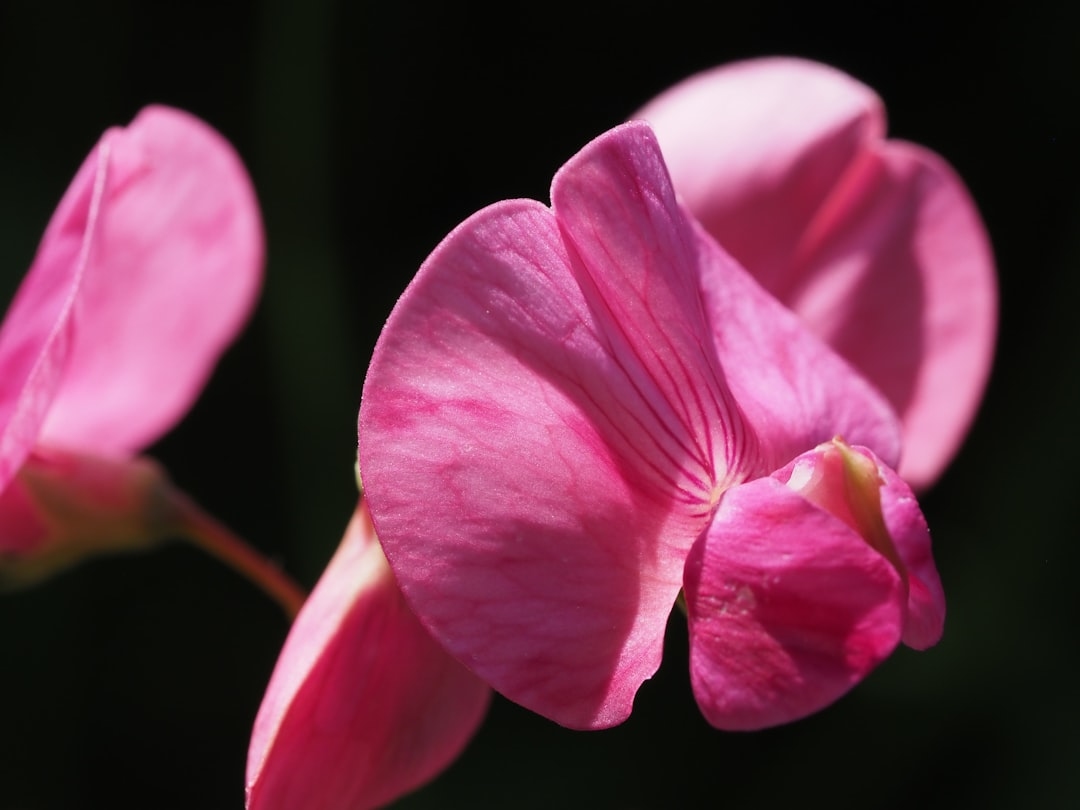
Pink is the most iconic sweet pea color — and the most emotionally rich. Light pink varieties like ‘Rosy Dawn’ suggest budding romantic affection and admiration. Deeper rose-pinks carry a warmer, more established love. They’re a popular choice in wedding bouquets, where they soften more dramatic flowers like garden roses or ranunculus.
White Sweet Peas
White sweet peas symbolize purity, innocence, and new starts. They’re frequently woven into bridal arrangements and christening flowers. The cultivar ‘White Supreme’ remains a florist favorite precisely because its clean color works in nearly any ceremonial context.
Purple and Lavender Sweet Peas
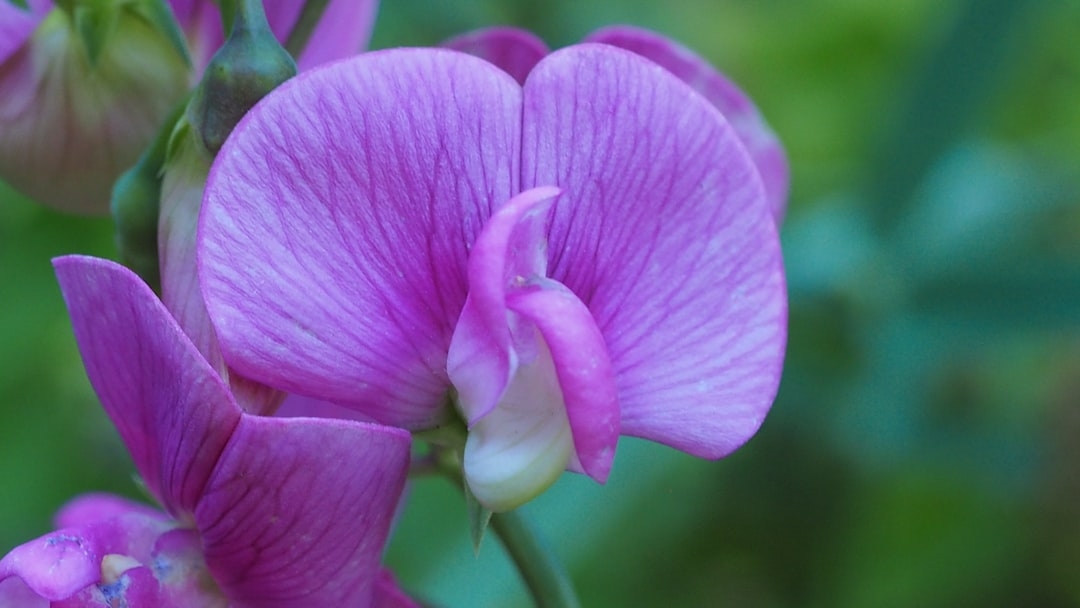
Purple carries associations with admiration, fantasy, and a touch of nostalgia. Lavender-toned varieties — like the classic ‘Cupani,’ named after that original Sicilian monk — are considered the most fragrant and are often gifted to express deep respect or creative appreciation.
Red and Coral Sweet Peas
Rarer in nature but vivid in meaning, red sweet peas express passion and bold affection. Coral varieties walk the line between romantic and celebratory, making them well-suited for anniversaries and milestone birthdays.
Sweet Peas as Birth Flowers and Astrological Symbols
Sweet peas are the designated birth flower for April, placing them alongside daisies in the traditional birth flower calendar. For anyone born in April, receiving sweet peas carries a doubly personal resonance — the flower isn’t just beautiful, it belongs to them in a calendrical sense.
Astrologically, sweet peas are associated with Aries (March 21–April 19) and sometimes Taurus (April 20–May 20). Both signs are linked to themes of fresh starts and sensory pleasure — qualities that align neatly with the flower’s broader symbolism.
A Story That Captures It Perfectly
A reader once shared a memory that stuck: her grandmother grew sweet peas along the back fence every summer without fail. When her grandmother passed, the family found a bundle of dried sweet peas pressed between the pages of her journal, alongside a note that simply read: “For whoever finds this — thank you for the pleasure of your company.” She’d written it for no one specific. She’d written it for everyone.
That’s the sweet pea in its truest form. Not dramatic. Not loud. Just quietly, persistently grateful.
When to Give Sweet Peas: Practical Gifting Guidance
Sweet peas have a short vase life — typically 5 to 7 days — which actually reinforces their symbolic resonance with impermanence and cherished moments. Here’s how to use them intentionally:
- Farewell parties and going-away gifts: A mixed bouquet of pink and lavender sweet peas is appropriate and meaningful. Expect to spend $18–$35 at a US florist for a hand-tied bunch.
- Thank-you gestures: After staying at someone’s home or attending a dinner party, a small sweet pea arrangement (often available for $12–$20 at farmers markets in spring) is a graceful, personal touch.
- Weddings: Sweet peas work beautifully in cascading bouquets and table arrangements. Seasonal availability (April–June) keeps costs lower than imported alternatives — typically $2–$4 per stem wholesale.
- New baby gifts: White or pale pink sweet peas in a simple vase honor the innocence and newness symbolism with restraint and elegance.
Keeping Sweet Peas Fresh Longer
Cut stems at a 45-degree angle, place immediately in cool water, and add a drop of bleach and a pinch of sugar to the vase water. Keep them away from direct sunlight and ripening fruit — ethylene gas from fruit shortens their vase life by 2–3 days. Mist the petals lightly each morning.
Sweet Peas in Literature and Pop Culture
John Keats referenced sweet peas in his 1817 poem “I Stood Tip-Toe,” describing them “on tiptoe for a flight, with wings of gentle flush o’er delicate white” — cementing their literary association with lightness and aspiration. The flowers appear frequently in Edwardian novels as props in farewell scenes and garden conversations, precisely because their cultural meaning was so widely understood at the time.
In contemporary US culture, sweet peas appear regularly in cottage-style wedding aesthetics popular on platforms like Pinterest, where the hashtag #sweetpeabouquet has accumulated over 80,000 posts as of early 2026. Their revival in popularity tracks closely with the broader “soft garden” and “romantic florals” trend in event design.
FAQ: Sweet Pea Symbolism
What do sweet peas symbolize in a bouquet?
Sweet peas in a bouquet most commonly symbolize blissful pleasure, gratitude, and a tender goodbye. They’re traditionally given to express appreciation for someone’s company or to mark a meaningful farewell.
Are sweet peas associated with any particular emotion?
Yes — sweet peas are most strongly associated with the bittersweet emotion of parting: the pleasure of a shared experience combined with the sadness of it ending. They also carry strong associations with gratitude and gentle affection.
What does it mean to receive sweet peas as a gift?
Receiving sweet peas typically signals that the giver values your company deeply and appreciates the time you’ve shared. It can also indicate romantic interest, especially with pink varieties, or pure friendship and admiration with lavender or white blooms.
Can sweet peas be used at weddings?
Absolutely. Sweet peas are a popular wedding flower, particularly for spring ceremonies. White and blush pink varieties symbolize purity and new beginnings, making them well-suited to bridal bouquets, centerpieces, and ceremony arches.
What is the birth flower meaning of sweet peas?
Sweet peas are the birth flower for April. For people born in April, they carry the additional personal meaning of identity and belonging — a flower that is specifically and traditionally theirs.
Carry the Meaning Forward
Sweet peas reward intentionality. The next time you’re standing at a farmers market in May, eyeing those pastel clusters nodding in their buckets, consider what you actually want to say to someone. Because sweet peas have been saying it — quietly, beautifully, and with remarkable precision — since a Sicilian monk first tucked seeds into an envelope 325 years ago.
Plant them yourself if you can. In USDA zones 4–8, sow seeds directly into the ground 6 weeks before your last frost date. Watch them climb. Give them away at the peak of their bloom. That, as much as any florist arrangement, is the fullest expression of what sweet peas mean.