Contents:
- The Core Purple Flowers Meaning: What This Color Really Communicates
- Purple Flower Symbolism by Species: It’s Not One-Size-Fits-All
- Lavender
- Lilac
- Wisteria
- Allium
- Violet
- Regional Purple Flower Traditions Across the US
- Purple Flowers for Gifting: Matching Meaning to Moment
- Growing Purple Flowers Sustainably: Budget and Eco-Friendly Tips
- FAQ: Purple Flowers Meaning
- What do purple flowers symbolize in general?
- What is the best purple flower to give as a gift?
- Do purple flowers mean death or mourning?
- What purple flowers are native to North America?
- What does a purple flower tattoo mean?
- From Symbolism to Soil: Making It Count
You’ve stood in a garden center or florist shop, staring at a stunning cluster of purple blooms, and felt something — but couldn’t quite name it. Maybe you’re picking flowers for a meaningful gift. Maybe you’re redesigning a border bed and want your plant choices to carry intention. Either way, you’re not alone in wanting to understand what purple flowers actually communicate. The symbolism runs deeper than most people realize, and for gardeners who care about the full story behind what they grow, it’s worth unpacking properly.
Purple has never been a simple color. For most of human history, it was nearly impossible to produce — Tyrian purple dye required thousands of sea snails per ounce of pigment, making it strictly the domain of royalty and the clergy. That legacy is baked into how we still respond to purple flowers today, even if we don’t consciously register it. When you plant a sweep of lavender along a walkway or send someone a bouquet of violet roses, you’re tapping into thousands of years of layered meaning.
The Core Purple Flowers Meaning: What This Color Really Communicates
Purple flowers carry a surprisingly wide emotional range depending on shade, species, and context. Broadly, they communicate:
- Admiration and respect — particularly in deeper, richer purples like violet and plum
- Enchantment and mystery — especially in blue-purples like wisteria and hydrangea
- Royalty and dignity — echoing the historic scarcity of the color itself
- Spirituality and contemplation — lavender and pale lilac are used globally in mourning and meditation contexts
- First love and nostalgia — lilac specifically carries this association in Victorian floriography
Shade matters enormously. A pale lavender says something entirely different from a deep eggplant purple. Lighter tints lean toward grace, femininity, and new beginnings. Darker saturations carry weight — gravitas, passion, and occasionally grief. This isn’t arbitrary. Color psychology research consistently shows that darker hues read as more emotionally intense, while lighter ones register as softer and more approachable.
Purple Flower Symbolism by Species: It’s Not One-Size-Fits-All
Each purple-flowering plant carries its own specific story, and knowing these distinctions is what separates a thoughtful gardener from someone who just picks what’s pretty.
Lavender
Beyond its famous scent, lavender symbolizes serenity, devotion, and healing. It’s one of the most universally positive purple flowers — appropriate for gifts of recovery, condolence, or simple affection. In the US, lavender farms in the Pacific Northwest (particularly in Washington’s Sequim Valley) produce over 100 acres of commercial lavender annually, and the crop’s association with calm and wellness has only grown with the wellness industry boom.
Lilac
Lilacs are spring’s emotional sucker-punch. They bloom for only about two weeks, which is part of why they carry such strong associations with nostalgia, youth, and transience. In Victorian floriography, purple lilac meant “first emotions of love.” White lilac meant youthful innocence; magenta lilac, love. In the Northeast US — where lilacs are practically a regional mascot — you’ll find them planted as foundation shrubs in older neighborhoods from Connecticut to Vermont, blooming reliably in USDA hardiness zones 3–7.
Wisteria
Wisteria is the showboat of purple flowering vines — and it knows it. Symbolically it represents romance, longevity, and endurance, possibly because a well-established wisteria can outlive the person who planted it by decades. One famous wisteria in Sierra Madre, California, planted in 1894, covers over an acre. In Japan, wisteria (fuji) specifically represents love and poetic beauty. It’s a plant that demands respect — and 10–15 feet of sturdy structure to climb.
Allium
Often overlooked, ornamental alliums — those structural globe-shaped flowers on tall stems — symbolize good fortune, unity, and prosperity. They’re a brilliant choice for gardeners looking to add late-spring drama. A single clump of ‘Globemaster’ allium produces flower heads 8–10 inches across. They’re also excellent companions for roses, naturally deterring aphids, which adds an eco-friendly, integrated pest management angle to their planting.
Violet
Wild violets carry one of the oldest symbolic records in Western culture. Ancient Greeks associated them with fertility and used them in love potions. Today they symbolize faithfulness, modesty, and spiritual wisdom. They’re also entirely edible — both flowers and leaves — and native violet species across the eastern US serve as the sole host plant for several fritillary butterfly species. Planting native violets isn’t just meaningful; it’s an act of ecological support.
Regional Purple Flower Traditions Across the US
Geography shapes what purple flowers mean culturally and practically. In the Northeast, lilac season is practically a civic event — New Hampshire even named the purple lilac its state flower, and festivals in Rochester, NY draw thousands every May. In the South, purple coneflower (Echinacea purpurea) dominates cottage gardens and native plant landscapes alike, valued for its drought tolerance and wildlife support. Across the West Coast, lavender and native ceanothus (California lilac) dominate, and the sustainable gardening movement has pushed gardeners toward drought-resistant purple natives over thirsty annuals.
This regional context matters when you’re gifting flowers too. A bouquet of purple coneflowers reads differently in a Georgia garden community than it does in Portland — know your audience.
Purple Flowers for Gifting: Matching Meaning to Moment
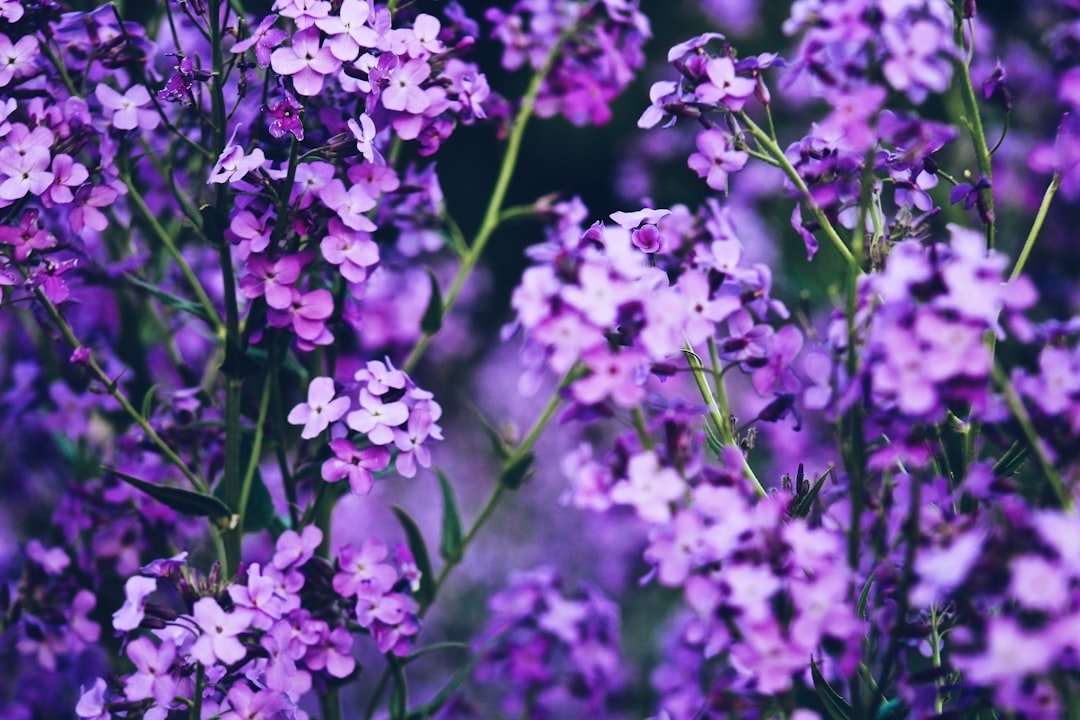
Choosing purple blooms for a specific occasion isn’t complicated once you know the vocabulary. Here’s a practical breakdown:
- Sympathy and condolence: Pale lavender, white-edged purple iris, or lilac — these communicate quiet dignity without the weight of dark red or the clinical coldness of all-white arrangements.
- Congratulations or admiration: Deep violet roses or purple lisianthus — lisianthus in particular has become a top florist substitute for peonies at roughly $4–8 per stem versus $8–15 for premium peonies.
- Romantic interest (early stage): Lavender roses specifically signal love at first sight and enchantment — more subtle and intriguing than red’s declaration of passion.
- Spiritual occasions or milestones: Iris, which literally means “rainbow” in Greek and has long ties to faith and hope, works beautifully for confirmations, retirements, or meaningful transitions.
Growing Purple Flowers Sustainably: Budget and Eco-Friendly Tips
Building a purple-dominant garden border doesn’t require a large budget if you plan smartly. Native and perennial choices do most of the work for you after establishment.
A rough cost estimate for a 10-foot mixed purple perennial border:
- 3× native purple coneflower (Echinacea purpurea) plugs: ~$18–24
- 5× lavender ‘Hidcote’ (quart pots): ~$30–40
- 2× ornamental allium bulb packs (10 bulbs each): ~$16–20
- 1× salvia ‘May Night’ (1-gallon): ~$10–14
- Total: approximately $74–98 for a three-season display that returns annually
From a sustainability standpoint, prioritize species native to your region. Native purple wildflowers — violet, coneflower, spiderwort, ironweed — support local pollinators with zero supplemental irrigation once established. The Xerces Society estimates that native flowering plants support up to 4× more beneficial insect species than non-native ornamentals. Growing purple doesn’t have to come at an ecological cost.
FAQ: Purple Flowers Meaning
What do purple flowers symbolize in general?
Purple flowers broadly symbolize admiration, dignity, spirituality, and mystery. The specific meaning shifts with shade — lighter purples like lavender suggest grace and calm, while deeper purples convey passion, royalty, and depth of feeling.
What is the best purple flower to give as a gift?
Lavender roses signal enchantment and new romantic feelings. Purple lisianthus communicates admiration and is a cost-effective alternative to peonies. For sympathy, pale lavender or soft purple iris are most appropriate.
Do purple flowers mean death or mourning?
In some cultures, yes — pale lavender and violet are used in funeral arrangements in parts of Europe and Latin America to symbolize the soul’s passage. In the US, they more commonly represent respect and quiet dignity rather than grief specifically.
What purple flowers are native to North America?
Purple coneflower (Echinacea purpurea), wild violet (Viola sororia), spiderwort (Tradescantia ohiensis), ironweed (Vernonia species), and blue wild indigo (Baptisia australis) are all North American natives with purple blooms that support local ecosystems.
What does a purple flower tattoo mean?
Purple flower tattoos most commonly represent spirituality, creativity, admiration, and personal transformation. Lavender tattoos specifically have become associated with calm and healing in contemporary tattoo culture.
From Symbolism to Soil: Making It Count
Understanding the purple flowers meaning behind what you grow or give transforms gardening from a visual exercise into something with genuine weight. The color you plant along your front path, the stems you bring to a friend after surgery, the bulbs you tuck in for next spring — all of it speaks. Next time you’re planning a bed or choosing a bouquet, let that vocabulary work for you. Start with one intentional purple — a lavender ‘Munstead’ for your sunniest strip, or a native violet tucked beneath a deciduous tree — and watch how much more connected the space feels when you know exactly what it’s saying.