Contents:
- The History Behind Baby’s Breath Symbolism
- What Baby’s Breath in a Bouquet Actually Communicates
- When Baby’s Breath Is the Message, Not Just the Filler
- Baby’s Breath in Bouquet Meaning by Occasion
- Weddings and Engagements
- Funerals and Sympathy Arrangements
- Everyday Gifting
- A Reader’s Story: The Bouquet That Said Everything
- Growing Baby’s Breath at Home: A Quick Practical Guide
- Budget Breakdown: What Baby’s Breath Costs in the US
- FAQ: Baby’s Breath in Bouquet Meaning
- What does it mean when someone gives you baby’s breath?
- Is baby’s breath only used in wedding bouquets?
- Does the color of baby’s breath change its meaning?
- What flowers pair well with baby’s breath in a meaningful bouquet?
- Can baby’s breath be used as the main flower in a bouquet?
- How to Respond When You Receive a Baby’s Breath Bouquet
You receive a bouquet — maybe from a partner, a friend, or a coworker — and nestled between the roses or sunflowers are those tiny white clusters of delicate blooms. Baby’s breath in bouquet meaning is something most people feel instinctively but rarely think to look up. That small, feathery filler flower carries more weight than its size suggests.
Baby’s breath (Gypsophila paniculata) has been woven into floral arrangements for centuries. It’s easy to overlook. But in the language of flowers — a Victorian-era practice called floriography — every stem tells a story. And baby’s breath has a particularly layered one.
The History Behind Baby’s Breath Symbolism
Floriography peaked in the 1800s when Victorians used flowers to communicate emotions that polite society wouldn’t allow them to speak aloud. Baby’s breath was catalogued in flower dictionaries of the time as a symbol of everlasting love, innocence, and the Holy Spirit. Its Latin genus name, Gypsophila, literally translates to “lover of gypsum” — a nod to the alkaline, well-drained soils it thrives in across Eastern Europe and Central Asia, its native range.
It entered Western wedding culture in the late 19th century and became a fixture of bridal bouquets throughout the 20th. By the 1980s, it was practically ubiquitous in grocery store arrangements. That familiarity dulled people’s attention to its meaning — but the symbolism never left.
What Baby’s Breath in a Bouquet Actually Communicates
The core meanings associated with baby’s breath are consistent across floral traditions:
- Everlasting love — Its long vase life (up to 2 weeks with proper care) mirrors this sentiment practically.
- Innocence and purity — The white variety especially carries this connotation, which is why it appears in baptism and first communion arrangements.
- Sincerity — Sending baby’s breath alone, or as the dominant flower, signals genuine, uncomplicated affection.
- Lasting friendship — In non-romantic contexts, it’s a classic gesture between close friends or family members.
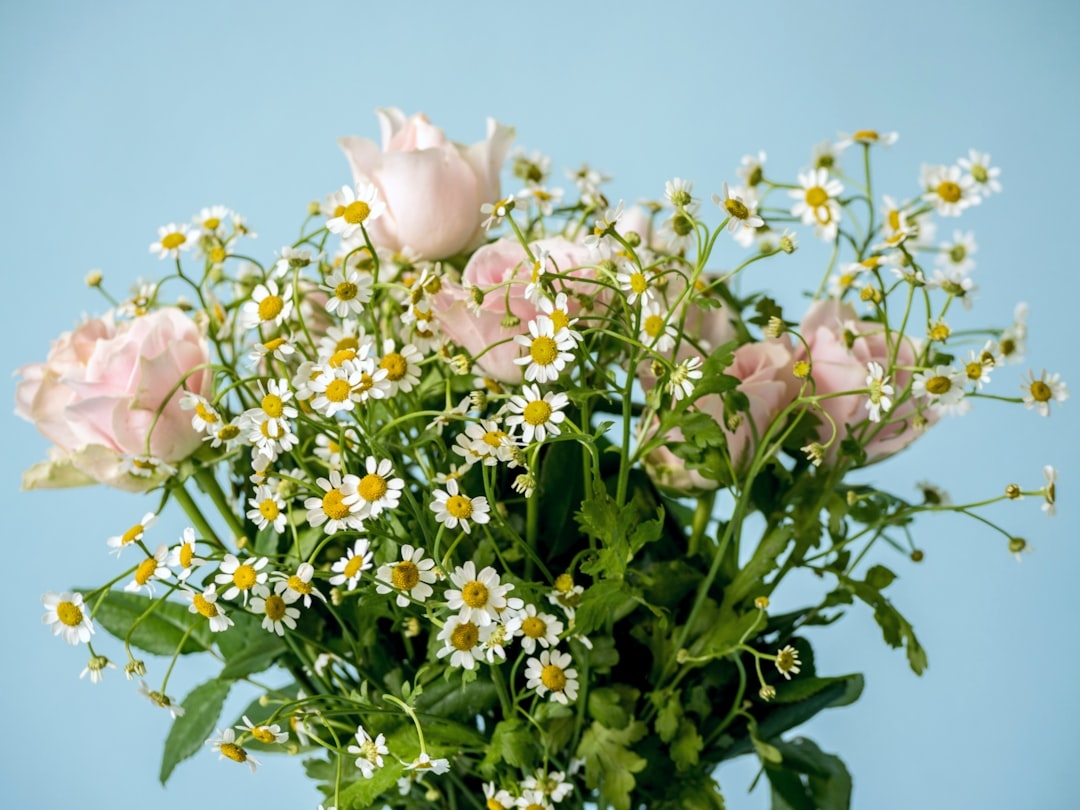
Context matters enormously. A single red rose surrounded by baby’s breath leans romantic and intimate. A mixed wildflower bouquet with baby’s breath reads more celebratory and warm. The same flower shifts meaning depending on what it accompanies.
When Baby’s Breath Is the Message, Not Just the Filler
There’s a growing trend among florists in the US to use baby’s breath as the focal flower rather than the filler. A full cloud bouquet — made entirely of Gypsophila — has become a popular minimalist wedding choice, particularly in 2026–2026. When someone sends you that kind of arrangement, the message is deliberate: the delicacy is the point. Pure, unadorned affection.
Baby’s Breath in Bouquet Meaning by Occasion
Weddings and Engagements
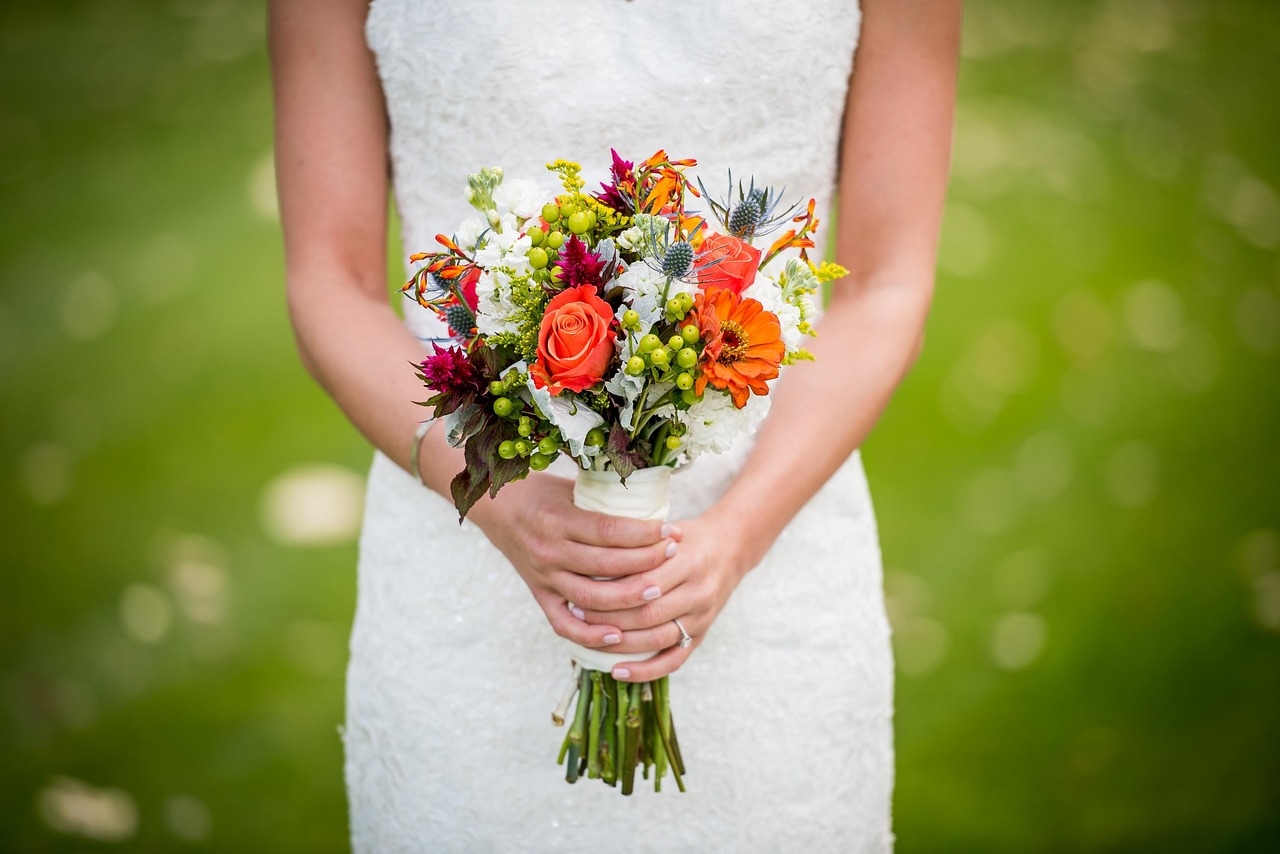
Baby’s breath has been a bridal staple for over 100 years. It pairs with roses, peonies, and ranunculus to soften arrangements and add an ethereal quality. For brides in USDA hardiness zones 3–9, it’s also an option for DIY garden cutting — it blooms reliably from late spring through summer when direct-sown in full sun.
Funerals and Sympathy Arrangements
White baby’s breath appears frequently in sympathy bouquets and memorial sprays. Here, the symbolism shifts toward spiritual comfort and the eternal. It’s one of the few flowers that carries weight in both celebratory and grief contexts.
Everyday Gifting
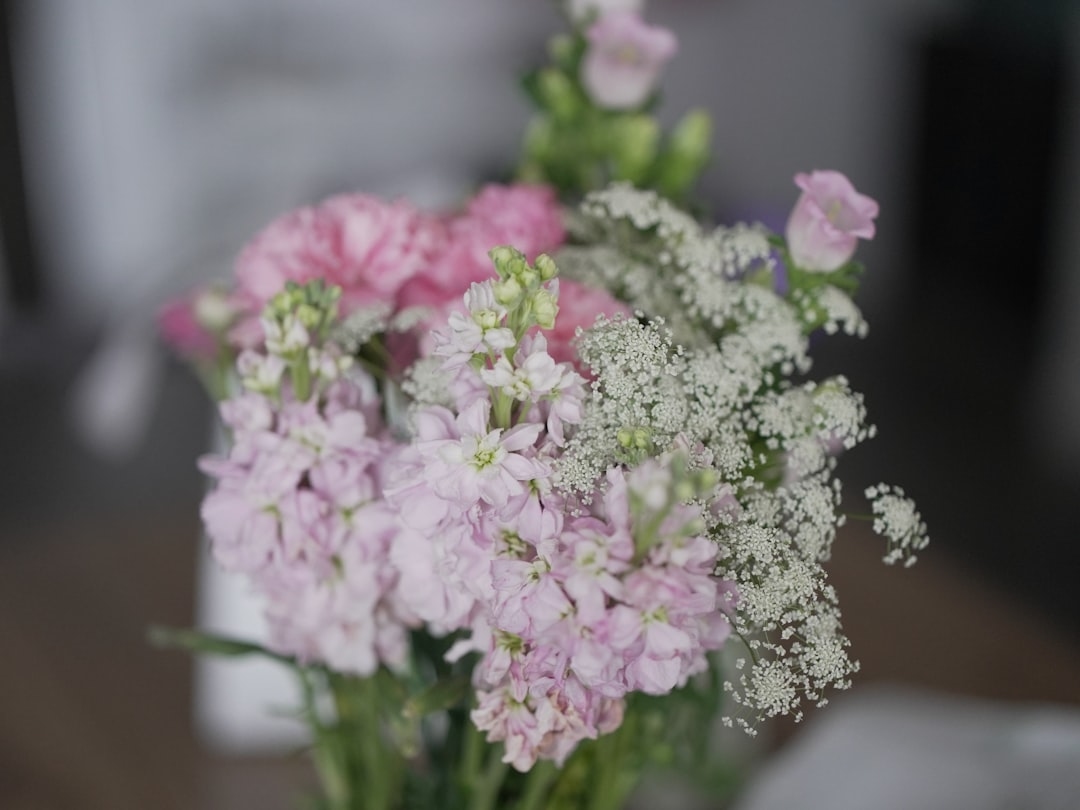
A mixed grocery store bouquet with baby’s breath typically signals thoughtfulness without grand romantic intent. It’s the flower equivalent of saying “I was thinking of you.” Simple. Sincere.
🌿 What the Pros Know
Professional florists often use baby’s breath not just for aesthetics but for structural support. Its branching stems help hold heavier blooms in place and add volume without weight. When you’re designing your own arrangements at home, add baby’s breath last — insert it at 45-degree angles to fill gaps after your focal and secondary flowers are placed. A single bunch (approximately 10 stems) bought at a wholesale market runs about $3–$6 and can stretch across 3–4 medium vases.
A Reader’s Story: The Bouquet That Said Everything
A gardener in her late 30s from Columbus, Ohio shared this: her mother used to grow Gypsophila along the back fence every summer. When her mother passed, the family asked the florist to include baby’s breath in every arrangement at the service. “It wasn’t something we explained to anyone,” she wrote. “But everyone who knew her recognized it. She used to say those little white flowers meant you didn’t need to say anything fancy to show someone you cared.”
That’s the quiet power of this flower. It doesn’t announce itself. It supports, softens, and endures.
Growing Baby’s Breath at Home: A Quick Practical Guide
If you’re a gardener who wants to grow your own cutting stems, here’s what to know:
- Best zones: USDA 3–9 for annual varieties; zones 4–9 for perennial types like Gypsophila paniculata ‘Bristol Fairy’
- Direct sow timing: After last frost, in full sun with well-drained, slightly alkaline soil (pH 7.0–7.5)
- Days to bloom: Approximately 10–12 weeks from seed
- Cutting tip: Harvest stems when 50–75% of florets are open for maximum vase life
- Cost to grow vs. buy: A seed packet (500+ seeds) costs roughly $4–$7, compared to $8–$15 per bunch at a retail florist
Budget Breakdown: What Baby’s Breath Costs in the US
Understanding pricing helps you recognize the value (and intentionality) behind a bouquet:
- Grocery store mixed bouquet with baby’s breath: $10–$18
- Florist-designed arrangement featuring baby’s breath: $40–$80
- Full cloud bouquet (baby’s breath only, wedding-style): $65–$150 depending on size and market
- Wholesale bunch (10 stems, farmer’s market or Costco): $3–$8
- DIY dried baby’s breath bunch (for preserved arrangements): $6–$12 online
When someone spends on a florist-designed piece that prominently features baby’s breath, that’s a choice — not an afterthought.
FAQ: Baby’s Breath in Bouquet Meaning
What does it mean when someone gives you baby’s breath?
Baby’s breath symbolizes everlasting love, innocence, and sincerity. Receiving it typically signals that the giver holds genuine, lasting affection for you — whether romantic, familial, or as a close friend.
Is baby’s breath only used in wedding bouquets?
No. Baby’s breath appears in sympathy arrangements, everyday bouquets, baptism flowers, and graduation arrangements. Its meaning shifts with context — from celebration to comfort to simple affection.
Does the color of baby’s breath change its meaning?
White baby’s breath carries the strongest traditional symbolism of purity and innocence. Dyed varieties (pink, lavender, blue) are used more for aesthetic coordination than symbolic intent, though pink versions can suggest romance and tenderness.
What flowers pair well with baby’s breath in a meaningful bouquet?
Red roses with baby’s breath signal deep romantic love. Sunflowers with baby’s breath convey warmth and loyalty. White lilies with baby’s breath are classic for sympathy or spiritual occasions. Each pairing compounds the individual flower meanings.
Can baby’s breath be used as the main flower in a bouquet?
Absolutely. Full baby’s breath bouquets — sometimes called “cloud bouquets” — have surged in popularity since 2020. They signal intentional simplicity and carry the full weight of Gypsophila’s symbolism without distraction.
How to Respond When You Receive a Baby’s Breath Bouquet
Now that you understand what this flower communicates, you’re better positioned to receive it with full appreciation — and to use it intentionally yourself. If you grow Gypsophila in your garden this season, consider cutting a small bunch for a neighbor, a teacher, or someone going through a hard stretch. No elaborate explanation needed. That’s kind of the whole point.
Want to try growing your own? Start with Gypsophila elegans (annual) for a fast, reliable first crop. Direct sow in spring, keep the soil lean and alkaline, and you’ll have cutting stems within three months. The flower that says “I care, simply and truly” — grown by your own hands.