Contents:
- A Brief History of Flower Crowns as Gifts
- What the Flower Crown Gift Meaning Depends On
- The Relationship Between Giver and Receiver
- The Occasion and Setting
- The Flowers Themselves
- Flower Crown vs. Bouquet: What’s the Difference in Meaning?
- How to Respond When You Receive One
- When a Flower Crown Is a Romantic Signal
- Frequently Asked Questions
- What does it mean when someone gives you a flower crown?
- Is a flower crown a romantic gesture?
- What flowers in a crown mean love?
- How long does a fresh flower crown last?
- What’s the difference between a lei and a flower crown?
Fresh petals brush against your hair. Someone leans forward, places a woven ring of blooms gently on your head, and steps back smiling. It’s intimate, deliberate, and a little magical — and now you’re wondering what just happened. Understanding the flower crown gift meaning depends on a surprising number of factors: who gave it, where you were, and what flowers they chose. Let’s break it all down so you’re never left guessing again.
A Brief History of Flower Crowns as Gifts
Flower crowns aren’t a modern trend. Ancient Greeks wore them at festivals honoring the gods — specifically laurel for Apollo and ivy for Dionysus. Roman brides wore them to symbolize fertility and new beginnings. In Hawaiian tradition, the lei (a close cousin to the flower crown) is a deeply personal offering of aloha, meaning love, peace, and compassion.
By the Victorian era, the “language of flowers” — called floriography — turned every bloom into a coded message. Giving someone a crown wasn’t just decorative. It was a statement. That cultural weight hasn’t entirely disappeared. Even today, handing someone a flower crown carries layered emotional meaning that a simple bouquet often doesn’t.
What the Flower Crown Gift Meaning Depends On
The Relationship Between Giver and Receiver
Context is everything. A flower crown from a romantic partner signals devotion and a desire to celebrate you. It’s a gesture that says “you are special to me” without needing words. From a close friend, it often signals joy and affection — think festival bonding or a birthday surprise. From a child, it’s pure, unfiltered love and creativity. From a stranger at a cultural event, it’s a welcome, an invitation into community.
Each scenario carries different emotional weight. The flower crown isn’t one-size-fits-all. It amplifies whatever relationship already exists between two people.
The Occasion and Setting
At a music festival, a flower crown is celebratory and communal — more about shared energy than personal devotion. At a wedding, it elevates the moment to something ceremonial and tender. At a graduation or quinceañera, it marks a life transition. In a casual garden setting, it can simply mean “I was thinking of you and made you something beautiful.”
Setting shapes meaning. The same crown means something different at Coachella versus a backyard proposal.
The Flowers Themselves
Floriography still matters. Roses signal love and passion. Daisies represent innocence and loyal friendship. Lavender suggests admiration and calm devotion. Baby’s breath traditionally symbolizes everlasting love — which is why florists use it so often in bridal work. Sunflowers convey warmth and adoration. Wildflowers? Freedom and a free-spirited connection.
“If someone takes the time to select specific blooms for a flower crown rather than grabbing whatever’s available, that intentionality tells you a lot,” says Clara Whitfield, Certified Floral Designer (CFD) and owner of Thistle & Bloom Studio in Portland, Oregon. “The flowers they choose often mirror what they’re trying to say but can’t quite put into words.”
Florists advise looking at the crown’s construction, not just the flowers. A tightly woven, structured crown with wired stems took significant effort — often 45 minutes to an hour of work. A loosely braided crown of fresh-picked stems is spontaneous and tender in its own way. Both are meaningful, but the craftsmanship signals how much time the giver invested in the moment.
Flower Crown vs. Bouquet: What’s the Difference in Meaning?
People often compare these two gifts, but they communicate very differently. A bouquet is presented — you hold it at arm’s length, you put it in a vase, it lives on a shelf. A flower crown is placed on you. It requires physical closeness. It adorns your body. That tactile intimacy is a key distinction.
A bouquet says “I got you flowers.” A flower crown says “I want to crown you.” The gesture of placing something on someone’s head has ancient connotations of honor, blessing, and elevation. It’s harder to do casually. That’s why it lands differently — and why it tends to feel more personal, even when the flowers themselves are simple.
How to Respond When You Receive One
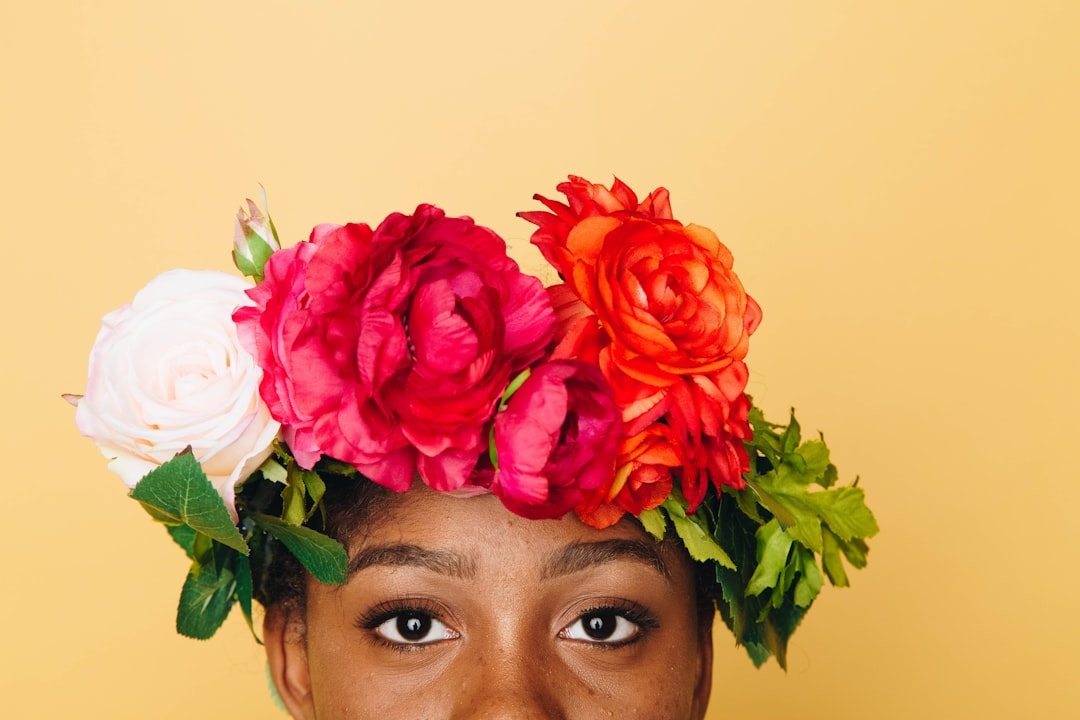
Wear it. Immediately. Even if it feels a little over-the-top, putting it on honors the giver’s effort and closes the emotional loop of the gesture. If the crown uses fresh flowers, it will typically last 4–8 hours before wilting, so there’s no reason to save it for later.
A few practical tips:
- Take a photo together. This matters more to the giver than you might expect.
- Name a specific flower you love. “I love that you included lavender” tells them their choices were noticed.
- Press and preserve it if the gesture was significant — dried flower crowns can last for years as keepsakes.
- Ask about the flowers if you’re curious. Most people who make flower crowns love talking about their choices.
If you want to reciprocate, a simple crown made with grocery store carnations ($4–$6 per bunch) and basic floral wire ($3 at any craft store) is beginner-friendly and deeply appreciated. You don’t need a florist’s skill set — just 30 minutes and some patience.
When a Flower Crown Is a Romantic Signal
If you’re trying to decode romantic intent, look for a few specific signals. Did they make it themselves rather than buy it? Handmade means deliberate time investment. Did they choose red or pink flowers? Both traditionally signal romantic feeling. Did they place it on your head themselves rather than handing it to you? That physical act — reaching toward someone, adjusting the crown — is intimate in a way that bypasses words entirely.
Not every flower crown is a love confession. But many are. Trust the feeling in the room when it happened.
Frequently Asked Questions
What does it mean when someone gives you a flower crown?
Receiving a flower crown typically signals affection, celebration, or honor. The specific meaning depends on the relationship, occasion, and flowers used — but the act of placing something on another person’s head has historically represented blessing, elevation, and deep regard across many cultures.
Is a flower crown a romantic gesture?
It can be. A handmade flower crown using red roses or peonies, placed on your head by someone you have romantic tension with, is often a clear signal of affection. Context matters — at a festival among friends, it’s more celebratory than romantic. One-on-one, it almost always carries deeper meaning.
What flowers in a crown mean love?
Red roses traditionally symbolize romantic love. Pink peonies suggest adoration. Red tulips signal a declaration of love. Baby’s breath represents everlasting affection. If a crown includes any combination of these, especially hand-selected, the message is likely intentional.
How long does a fresh flower crown last?
A fresh flower crown typically lasts 4–8 hours when worn. Hardier flowers like carnations and chrysanthemums hold up longer than delicate blooms like sweet peas or gardenias. Storing it in the refrigerator between wearings can extend its life by another day.
What’s the difference between a lei and a flower crown?
A lei is worn around the neck and is central to Hawaiian culture as a gesture of aloha — love, peace, and welcome. A flower crown sits on the head and has roots in Greek, Roman, and European folk traditions. Both are personal gifts, but their cultural origins, placement, and ceremonial meanings differ significantly.
Now that you understand the layers behind a flower crown gift meaning, you’re equipped to read the gesture clearly — and to give one with intention. If someone in your life deserves to feel celebrated, honored, or simply adored, consider making them a crown. Pick their favorite flowers, spend an hour weaving something beautiful, and place it gently on their head. Few gestures communicate so much while saying so little.