Contents:
- The Rich History Behind Peonies as a Gift
- Core Peonies Gift Meaning by Color
- Pink Peonies
- White Peonies
- Red Peonies
- Coral and Peach Peonies
- What the Occasion Tells You
- Peonies vs. Roses: Understanding the Difference
- Quick Cost Breakdown: What a Peony Bouquet Actually Costs
- Practical Tips: How to Respond When You Receive Peonies
- Frequently Asked Questions About Peony Gift Meaning
- What does it mean when a guy sends you peonies?
- Are peonies a romantic flower?
- What does it mean when someone sends you white peonies?
- Do peonies mean good luck?
- Are peonies appropriate for sympathy?
- What to Do With This Information
You just received a gorgeous bouquet of peonies, and now you’re wondering what the peonies gift meaning actually is. Those big, ruffled blooms didn’t land on your doorstep by accident. Flowers carry language — and peonies speak louder than most.
Whether they arrived from a romantic partner, a friend, or a mystery sender, the answer is layered. Peonies have centuries of symbolic weight behind them, and unpacking that meaning can tell you a lot about what the person was trying to say.
The Rich History Behind Peonies as a Gift
Peonies have been cultivated for over 2,000 years, originating in China where they were considered the “king of flowers.” In Chinese culture, the peony symbolizes prosperity, honor, and feminine beauty. When the flower reached Europe in the 18th century, the Victorians adopted it enthusiastically into the language of flowers — a communication system called floriography — where peonies came to represent romance, good fortune, and a happy marriage.
In the US today, peonies are among the top five most popular cut flowers. They peak in late spring, roughly May through June, depending on your USDA hardiness zone (zones 3–8 are peak peony country). That seasonal scarcity is part of what makes receiving them feel significant. Someone chose a flower that isn’t always easy to find.
Core Peonies Gift Meaning by Color
The variety and color of the peonies you received adds another layer of meaning. This isn’t just aesthetic — different shades carry distinct emotional associations that florists and gift-givers often use intentionally.
Pink Peonies
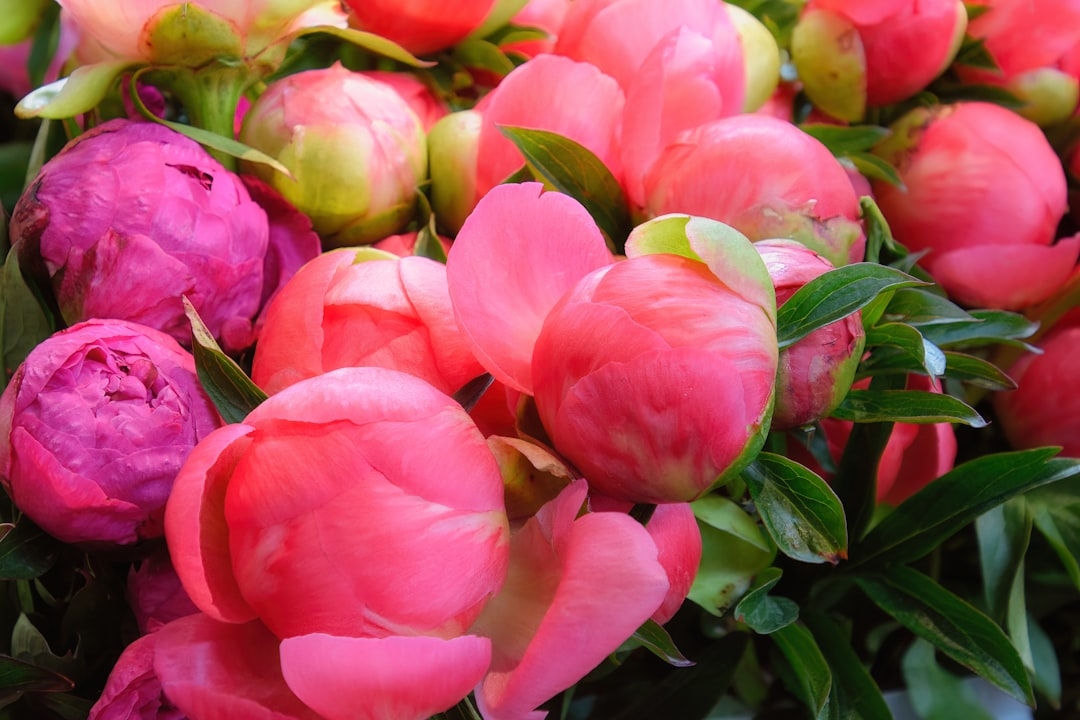
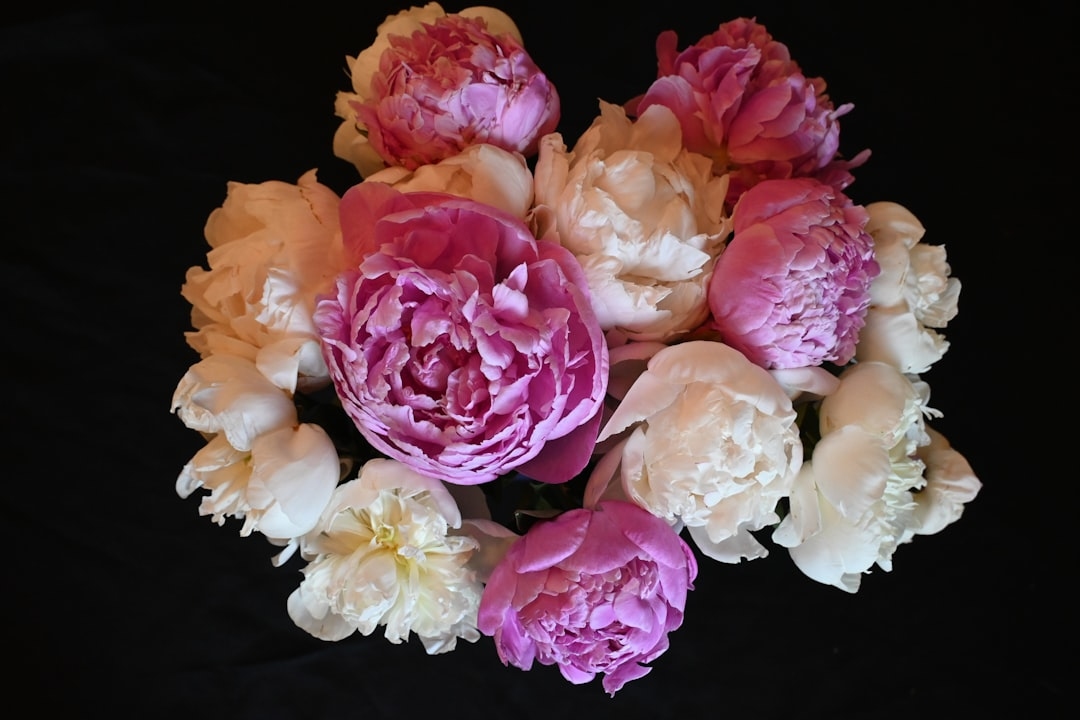
Pink is the most classic peony color and the most commonly gifted. It signals romance, admiration, and affection without being as forward as red roses. A person who sends you pink peonies is likely expressing that they care deeply — whether romantically or platonically. It’s a warm, emotionally open gesture.
White Peonies
White peonies traditionally symbolize purity, new beginnings, and sincerity. They’re popular at weddings for this reason, but they also show up in sympathy arrangements and celebratory gifts alike. If someone sent you white peonies after a life milestone — a new job, a move, a graduation — they’re marking the moment with intention.
Red Peonies
Red peonies carry a bolder message: passion, respect, and deep love. They’re less common than pink, which makes them a more deliberate choice. A red peony bouquet from a romantic partner is a serious statement.
Coral and Peach Peonies
These warm tones sit between pink and orange and tend to communicate enthusiasm, gratitude, and warmth. They’re a popular choice for friendship bouquets, thank-you gifts, and celebrations. Someone who sends coral peonies probably wants you to feel appreciated.
What the Occasion Tells You
Context matters enormously. The same bouquet means something different depending on when it arrived and who sent it.
- No occasion at all: This is the most telling scenario. Spontaneous flowers — especially peonies, which aren’t cheap — usually signal that the sender was thinking about you specifically and wanted to express it. That’s either romantic interest or a deep platonic bond.
- Birthday or anniversary: Peonies for a birthday suggest the sender knows your preferences and made a thoughtful choice rather than defaulting to roses. It signals attentiveness.
- After a difficult time: Peonies in a sympathy or support context carry their “good fortune” meaning — the sender wants to wish you healing and better days ahead.
- Celebration (promotion, graduation, baby shower): Here, peonies lean into their prosperity symbolism. It’s a way of saying, “You deserve abundance.”
Peonies vs. Roses: Understanding the Difference
A lot of people confuse the emotional weight of peonies with roses, assuming they’re interchangeable. They’re not. Roses — especially red ones — are the default romantic gesture, so culturally ubiquitous that they’ve lost some specificity. Sending roses is expected; sending peonies is a choice.
Peonies require more effort to source outside of their spring season, often costing $15–$25 per stem at a florist, compared to $3–$8 per stem for standard roses. A bouquet of 10 peonies from a quality florist in the US typically runs $80–$150, and premium arrangements or same-day delivery can push that to $200+. When someone spends that, it’s intentional.
Roses say “I’m romantic.” Peonies say “I was thinking about you specifically.” That distinction matters.
Quick Cost Breakdown: What a Peony Bouquet Actually Costs
Understanding the investment behind the gift helps you read the gesture accurately.
- Grocery store peonies (in season): $12–$20 for a small bunch of 5–7 stems
- Local florist bouquet (10–12 stems): $65–$120
- Premium florist or designer arrangement: $120–$200+
- Online delivery (1-800-Flowers, FTD, Teleflora): $60–$150 with delivery fees
- Out-of-season sourcing: Add 30–50% to standard prices
If someone sent you an out-of-season peony arrangement via a florist in December or January, they either paid a premium or planned significantly ahead. Either way, that’s commitment.
Practical Tips: How to Respond When You Receive Peonies
Once you’ve decoded the meaning, the next step is responding in a way that matches the gesture’s energy.
- Acknowledge the flowers specifically. Don’t just say “thank you for the gift.” Mention the peonies by name. It tells the sender you noticed their choice.
- Match the emotional register. If the gesture felt romantic, respond warmly. If it felt friendly, be enthusiastic. Don’t underreact to a meaningful gift.
- Keep them alive longer. Trim the stems at a 45-degree angle, place them in cool water with floral preservative, and keep them away from direct sunlight. Fresh peonies last 5–7 days with proper care. That’s worth maximizing.
- Ask if you’re unsure. If you genuinely don’t know why someone sent you peonies and you’re close enough to ask, just ask. “These are stunning — what’s the occasion?” is a completely reasonable response.
Frequently Asked Questions About Peony Gift Meaning
What does it mean when a guy sends you peonies?
When a man sends peonies — especially pink or red ones with no stated occasion — it typically signals romantic interest or deep admiration. Peonies aren’t a default gift choice, so the selection itself suggests he was thinking specifically about you and your preferences.
Are peonies a romantic flower?
Yes. Peonies have strong romantic associations rooted in both Victorian floriography and Chinese tradition, where they symbolize love, honor, and feminine beauty. Pink and red peonies especially carry romantic meaning, though the flower is also used to express friendship and celebration.
What does it mean when someone sends you white peonies?
White peonies symbolize sincerity, new beginnings, and purity. They’re often given to mark milestones — weddings, fresh starts, or moments of transition. A white peony gift is a sincere, emotionally clean gesture: the sender wants to honor something meaningful in your life.
Do peonies mean good luck?
In Chinese culture, yes — peonies are strongly associated with prosperity and good fortune. This symbolism carries into modern gifting. Receiving peonies around a new venture, a move, or a life change often carries a “wishing you well” undertone.
Are peonies appropriate for sympathy?
Peonies can be appropriate for sympathy arrangements, particularly white or soft pink varieties. Their association with sincerity and renewal makes them a thoughtful alternative to traditional sympathy flowers like lilies or chrysanthemums. They feel gentle rather than somber.
What to Do With This Information
Now that you know what peonies signal — and why the color, timing, and cost all add context — you’re equipped to read the gesture accurately and respond with equal thoughtfulness. The person who sent them made a deliberate choice. Meeting that with awareness is its own kind of language.
If you’re the one thinking about sending peonies to someone, know that you’re choosing a flower with real emotional weight. Pick the color with intention, consider the timing, and let the blooms do the talking.