Contents:
- The Psychology Behind Sending Flowers to a Workplace
- What Office Flower Delivery Meaning Depends On: Context Is Everything
- Romantic Interest or Affection
- Professional Gratitude or Recognition
- Milestone Celebrations
- Sympathy and Support
- Seasonal Timing and What It Reveals
- Regional Differences in Workplace Flower Culture
- How to Respond When Flowers Arrive at Your Office
- Practical Tips for Sending Office Flower Deliveries
- FAQ: Office Flower Delivery Meaning
- What does it mean when someone sends flowers to your workplace?
- Is it appropriate to send flowers to someone at work?
- What flowers are best to send to an office?
- What does it mean if flowers arrive with no card?
- How much should you spend on office flower delivery?
- Make Your Next Office Delivery Unforgettable
Getting flowers delivered to your office is one of the most charged, publicly visible gestures another person can make toward you. The office flower delivery meaning goes far beyond a simple bouquet — it’s a statement made in front of colleagues, managers, and sometimes entire open-floor-plan offices where nothing stays private for long. Someone chose to send flowers there, not to your home, not tucked quietly into your car. That choice is intentional, and it carries weight.
Workplace flower deliveries spike predictably around Valentine’s Day, Administrative Professionals’ Week (late April), and Mother’s Day — but they happen year-round, and each occasion tells a different story. Understanding what’s behind that delivery can help you respond appropriately, appreciate the gesture fully, or even figure out how to send one yourself.
The Psychology Behind Sending Flowers to a Workplace
Flowers sent to an office aren’t private. That’s the whole point. When someone sends a bouquet to your desk, they are making a semi-public declaration — whether that’s romantic interest, professional gratitude, or a milestone worth celebrating in front of the people who share your daily life.
Research from Rutgers University found that receiving flowers produces an immediate positive emotional response in nearly 100% of recipients and triggers longer-term mood improvements. Florists and behavioral researchers alike note that the location of delivery amplifies the emotional impact. At home, flowers are intimate. At work, they become a shared event — coworkers notice, ask questions, and the emotional experience multiplies.
That social amplification is exactly why someone who wants to make an impression will send flowers to your job. It’s not accidental. It’s strategic, warm, and sometimes deeply personal — all at once.
What Office Flower Delivery Meaning Depends On: Context Is Everything
A single red rose arrangement means something entirely different from a cheerful mixed bouquet in a kraft-paper wrap. Before drawing conclusions, consider the relationship, the timing, and the specific flowers chosen.
Romantic Interest or Affection
Red roses, deep burgundy dahlias, or lush pink peonies delivered to your office almost universally signal romantic feeling. This is the most emotionally loaded category of workplace flower delivery. The sender knows others will see the arrangement — and they want that. It’s a public-facing gesture of affection, one that says: I’m confident enough in what I feel to let your coworkers know it too.
If the bouquet includes a personal, handwritten card (rather than a printed one), the gesture leans even more intentional. Budget-wise, romantic workplace bouquets often run $65–$120 for premium arrangements from local florists, well above the average $40–$50 spend for casual gifting.
Professional Gratitude or Recognition
White lilies, sunflowers, or mixed seasonal arrangements in neutral tones typically signal professional appreciation. A manager might send flowers to an employee who landed a major account. A client might send a congratulatory arrangement after a successful project close. These deliveries are common during Q4 when year-end recognition peaks, or around Administrative Professionals’ Week each April.
The message here is clear: your work is seen, and it matters. These aren’t romantic — they’re validating, and they’re often sent with the full awareness that the recipient’s team will notice too.
Milestone Celebrations
Work anniversaries, promotions, new jobs, retirements, and even new babies produce a steady stream of office deliveries. Bright, celebratory arrangements — think mixed seasonal blooms, tropical accents, or bold color palettes — signal joy and forward momentum. These deliveries often come from close friends, spouses, or family members who want the celebration to extend into the professional sphere.
In the Northeast, especially in cities like Boston and New York, it’s common for entire teams to pool together for a statement arrangement for a colleague’s last day. On the West Coast, particularly in tech-heavy markets like San Francisco and Seattle, potted succulents or low-maintenance desk plants have become a popular alternative to cut flowers for these occasions — a nod to sustainability and longevity.
Sympathy and Support
Softer arrangements — white chrysanthemums, lavender roses, or subtle green-and-white combinations — sometimes arrive at offices during difficult personal periods: a death in the family, an illness, or a hard season in someone’s life. These deliveries say: I know you’re carrying something heavy, and I want you to feel supported even while you’re at work. They’re quiet, intentional, and deeply human.
Seasonal Timing and What It Reveals
The time of year a bouquet arrives at your office often adds a layer of meaning. Here’s a rough calendar of workplace flower delivery patterns throughout the year:
- January–February: Valentine’s Day dominates. Red, pink, and white arrangements signal romance. Deliveries spike the week of February 14th — florists report 30–40% of annual revenue concentrated in this single week.
- March–April: Spring arrivals — tulips, daffodils, and hyacinths — often signal renewal, new beginnings, or simply seasonal cheer. Administrative Professionals’ Week (last full week of April) drives significant professional gifting.
- May: Mother’s Day creates a secondary wave of deliveries for moms in the workplace who are celebrated by family or coworkers.
- June–August: Summer deliveries often mark promotions, retirements, or team celebrations. Sunflowers and zinnias are peak-season choices that feel informal and joyful.
- September–October: Fall arrangements featuring deep oranges, burgundies, and burnt yellows appear around work anniversaries and Q3 milestones. In the South, September is peak season for garden rose arrangements.
- November–December: Holiday and year-end recognition drives deliveries. Poinsettias, amaryllis, and winter white arrangements mark gratitude and seasonal goodwill.
If flowers show up outside any obvious occasion — a random Tuesday in mid-March, for example — pay close attention to the card. Spontaneous, non-occasion deliveries are almost always personal and emotionally motivated.
Regional Differences in Workplace Flower Culture
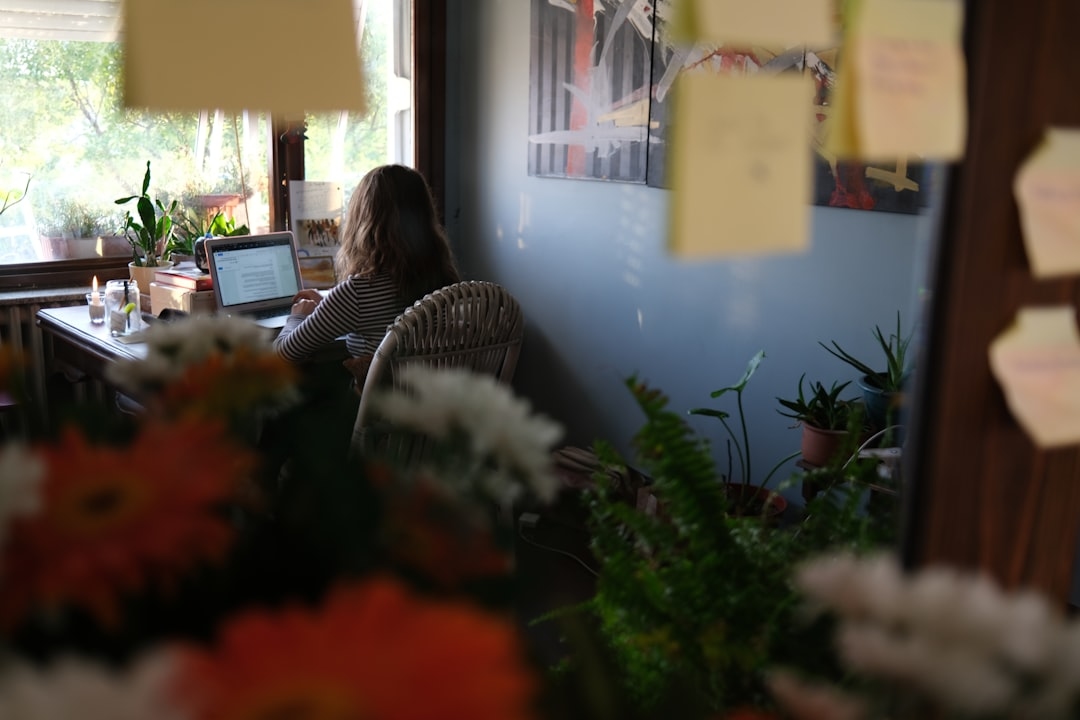
Where you work shapes how flower deliveries are interpreted. In the Northeast — particularly in professional, formal industries like finance and law — workplace deliveries are less common and therefore carry more weight. A bouquet on a Wall Street trading floor turns heads in a way it simply wouldn’t in a laid-back Austin co-working space.
In the South, gifting culture is generally warmer and more expressive, and flowers at work are both more common and more warmly expected as social ritual. It’s not unusual for Southern offices to have a standing delivery subscription from a local florist for weekly fresh arrangements, blurring the line between personal gifting and office culture.
On the West Coast, especially in creative and tech industries, flowers are increasingly being replaced or supplemented by living plants — ferns, trailing pothos, or bonsai — which carry a slightly different message: I want this to last. I’m thinking about your long-term wellbeing, not just this moment.
How to Respond When Flowers Arrive at Your Office
Receiving flowers publicly comes with a subtle social obligation. Here’s how to handle it gracefully:
- Acknowledge promptly. A same-day thank-you — whether by text, call, or handwritten note — signals emotional awareness. Don’t wait 48 hours.
- Match the energy of the gesture. A romantic arrangement deserves a personal, warm response. A professional arrangement deserves a sincere professional thank-you.
- Display them intentionally. If the flowers are a celebration, put them somewhere visible. If they feel private, it’s completely fine to move them to a quieter corner of your desk.
- Keep fresh flowers alive longer. Change the water every two days, trim stems at a 45-degree angle, and keep arrangements away from direct sunlight and heating vents. Most cut arrangements last 5–10 days with basic care.
Practical Tips for Sending Office Flower Deliveries
If you’re on the sending side, a few details make all the difference:
- Confirm the delivery address and hours. Most offices accept deliveries between 9 AM and 4 PM. Remote work has made this trickier — always verify the recipient is actually in the office that day before scheduling same-day delivery.
- Personalize the card. A printed generic message loses most of its impact. A handwritten or personally worded card message — even two sentences — elevates the entire gesture significantly.
- Consider arrangement size relative to desk space. A 24-inch tall dramatic centerpiece is breathtaking at home; at a cubicle, it can feel overwhelming. Compact, tight arrangements in the $55–$85 range often work better for standard office environments.
- Choose a local florist over mass-market delivery services when possible. Local florists offer fresher product, better customization, and more reliable same-day accuracy. National box services average 2–3 days fresher than warehouse-shipped alternatives according to industry standards.
FAQ: Office Flower Delivery Meaning
What does it mean when someone sends flowers to your workplace?
It typically signals intentional, public recognition — whether romantic, professional, or celebratory. Sending flowers to an office rather than a home is a deliberate choice to make the gesture visible to others in your life.
Is it appropriate to send flowers to someone at work?
Yes, in most professional contexts, flowers are a well-received workplace gesture for milestones, appreciation, or celebration. Romantic arrangements require more careful consideration of the relationship and workplace culture.
What flowers are best to send to an office?
For professional settings, compact mixed arrangements, sunflowers, or white lilies work well. Avoid strongly fragrant flowers like gardenias or stargazer lilies in shared spaces, as they can trigger sensitivities in coworkers.
What does it mean if flowers arrive with no card?
A missing card is almost always a florist error, not an intentional mystery. Contact the delivery florist with your order date and they can typically trace the sender within a few hours using their order records.
How much should you spend on office flower delivery?
For professional appreciation, $45–$75 is the standard range. For romantic or milestone gestures, $75–$150 is appropriate for a premium, memorable arrangement from a local florist.
Make Your Next Office Delivery Unforgettable
Now that you understand the full spectrum of office flower delivery meaning — from the quiet language of flower choice to the social dynamics of a public workplace gesture — you’re equipped to both receive and send with intention. The next time a bouquet lands at your desk, you’ll read it clearly. And the next time you want to make someone feel genuinely seen at work, you’ll know exactly how to do it.
Find a local florist you trust, think carefully about what you want to say, and let the flowers do the talking. Done right, a workplace delivery is one of the most memorable gestures a person can receive — not just on that day, but for years afterward.