Contents:
- The Origins of Ranunculus Symbolism
- Core Ranunculus Symbolism: What These Flowers Actually Say
- When Ranunculus Symbolism Is Most Powerful
- What Color Ranunculus Should You Choose?
- A Florist’s Perspective on Giving Ranunculus Intentionally
- The Eco-Friendly Case for Choosing Ranunculus
- Practical Tips for Gifting Ranunculus
- FAQ: Ranunculus Symbolism
- What does a ranunculus flower symbolize?
- What does a white ranunculus mean?
- Is ranunculus good for a romantic gift?
- What is the difference between ranunculus and peonies in symbolism?
- Can ranunculus be used in sympathy arrangements?
You’ve seen them at the farmers market, at high-end weddings, and now you’re wondering what they actually mean. Maybe someone sent you a bouquet packed with those tissue-paper-thin blooms and you want to know if there’s a message behind them. Or you’re picking flowers for a gift and want to choose one with real intention. Either way, ranunculus symbolism is specific, layered, and worth understanding before you spend $12–$18 a stem at a florist.
The good news: once you know what these blooms communicate, you’ll never grab them randomly again.
The Origins of Ranunculus Symbolism
Ranunculus (genus Ranunculus, family Ranunculaceae) has been cultivated for centuries, with Persian origins that trace back to ancient cultivation in the Middle East and Central Asia. The name itself comes from the Latin rana, meaning “frog” — a nod to the plant’s preference for damp, marshy ground. That detail matters: a flower born in fertile, water-rich soil carries an inherent symbolism of abundance and nourishment.
Victorian flower language — the formalized practice known as floriography — assigned ranunculus a meaning of “radiant charm.” Sending these blooms to someone meant you were captivated by their attractiveness and magnetism, not just their looks. It was a sophisticated compliment, more layered than roses, and considerably more affordable in modern markets.
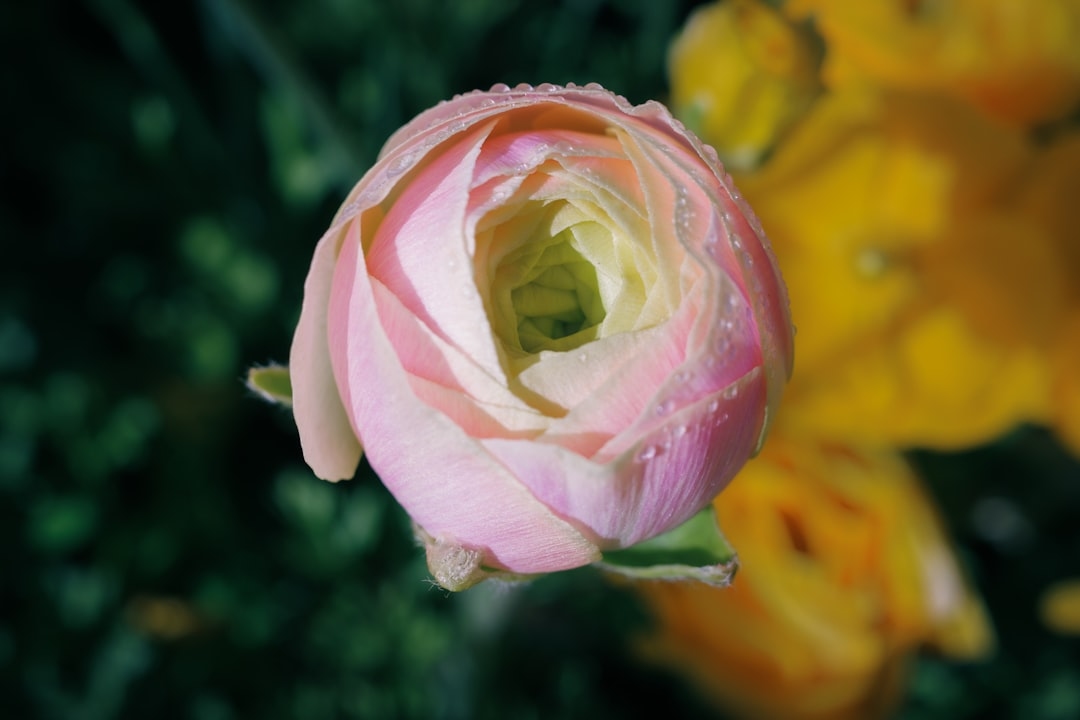
Different colors sharpen the message further. White ranunculus represents purity and new beginnings. Red carries deep passion, similar to red roses but with a softer visual weight. Yellow signals joy and friendship — a safer choice when romance isn’t the intention. Pink, the most popular variety in US florist shops today, communicates admiration and gentle affection.
Core Ranunculus Symbolism: What These Flowers Actually Say
At its core, ranunculus symbolism clusters around three themes:
- Radiance and charm: The primary Victorian meaning. You are telling the recipient they light up a room.
- New beginnings: Ranunculus blooms in late winter and early spring — often as early as February in USDA Hardiness Zones 8–10. That timing makes it a natural symbol of fresh starts, transitions, and forward momentum.
- Sincere affection: Unlike roses, which can feel obligatory, ranunculus says “I chose this specifically for you.” That specificity carries emotional weight.
There’s also a lesser-known association with attractiveness of character — not vanity, but the quality of drawing people in. A ranunculus bouquet tells someone they are magnetic in the truest sense.
When Ranunculus Symbolism Is Most Powerful
These blooms work particularly well for: wedding anniversaries (especially first and second, where softer florals suit the occasion), Galentine’s Day or friendship celebrations, new job congratulations, and housewarming gifts. They’re less conventional than roses at $3–$6 per stem at wholesale markets, which makes them feel thoughtful rather than default.
What Color Ranunculus Should You Choose?
Color is where ranunculus gets precise. Here’s a practical breakdown:
- White: New beginnings, sympathy, weddings, baptisms
- Red: Passionate love, deep romantic affection
- Pink: Admiration, gratitude, gentle romance — the most versatile option
- Yellow: Friendship, cheer, get-well sentiments
- Orange: Enthusiasm, energy, a bold congratulations
- Purple: Royalty, dignity, respect — appropriate for professional recognition
Mixed bouquets of pink and white ranunculus, averaging $35–$55 at most US florists, hit a universally appropriate register for almost any occasion.
A Florist’s Perspective on Giving Ranunculus Intentionally
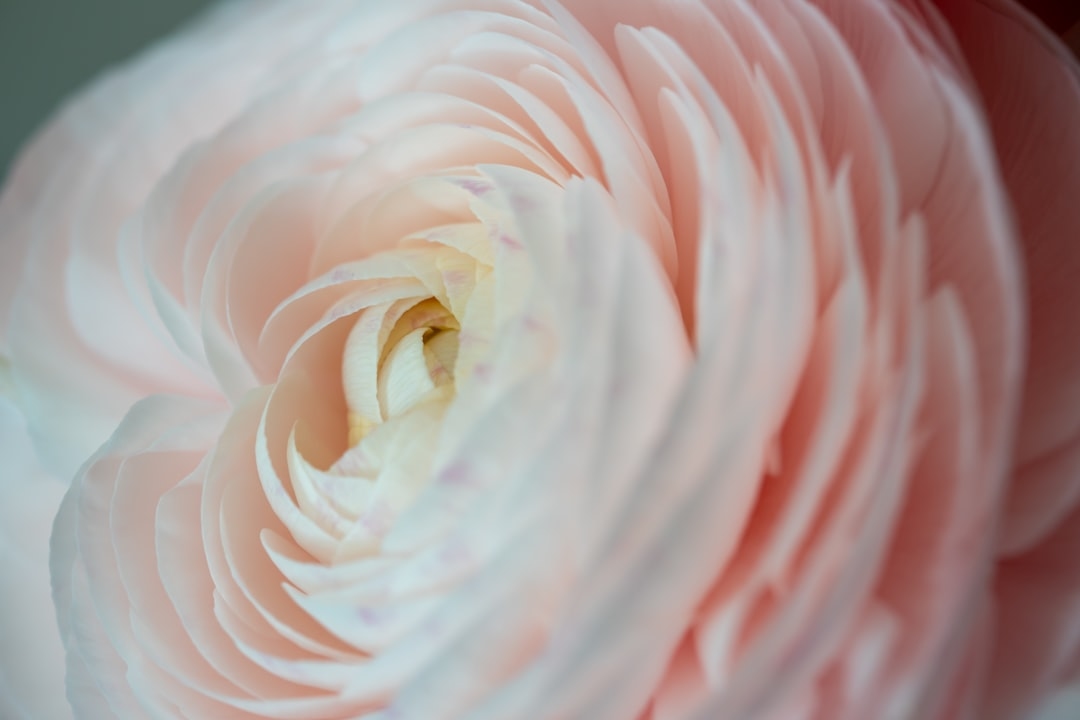
“Ranunculus is one of the most underused flowers in meaningful gifting. Clients reach for roses out of habit, but ranunculus actually says more. The layered petals are like the layers of a person — that’s the symbolism people respond to emotionally, even if they can’t articulate why.”
— Dana Hollis, Certified Floral Designer (CFD) and owner of Hollis & Bloom Studio, Portland, OR
Hollis recommends pairing ranunculus with eucalyptus or dusty miller for a cohesive arrangement that stays under $60 at most independent florists — and points out that both of those filler greens are sustainably grown in volume across California and the Pacific Northwest.
The Eco-Friendly Case for Choosing Ranunculus
Sustainability matters more in the cut flower industry than most buyers realize. According to the USDA, approximately 80% of cut flowers sold in the US are imported, primarily from Colombia and Ecuador, with a significant carbon footprint attached to refrigerated air freight. Ranunculus, however, grows exceptionally well domestically. It thrives in Zones 7–10 as a cool-season crop, with peak harvests in February through April across California, where it’s produced by dozens of small-scale, certified sustainable farms.
Buying locally grown ranunculus from a farmers market or a florist who sources from regional farms cuts the floral carbon footprint by an estimated 40–60% compared to imported blooms. At $2–$4 per stem at a farmers market, you also pay less. The meaning stays exactly the same; the sourcing just becomes something to feel good about.
Practical Tips for Gifting Ranunculus
- Buy in bud: Ranunculus opens dramatically over 3–5 days. Buy tight buds and the recipient watches the bloom unfold — that’s part of the experience.
- Extend vase life: Cut stems at a 45-degree angle, use cool water (not room temperature), and change the water every two days. Properly conditioned ranunculus lasts 7–10 days in a vase.
- Avoid over-wrapping: Tight floral tape compresses the stems. Ask your florist for a loose wrap to maximize water uptake.
- Add a note with the meaning: Not everyone knows ranunculus symbolism. A small card explaining the charm-and-radiance meaning turns a pretty bouquet into a memorable gesture.
- Shop late-season for deals: In US markets, ranunculus peaks February through April. By May, prices drop as supply winds down — look for markdowns of 20–30% at the end of the season if timing is flexible.
FAQ: Ranunculus Symbolism
What does a ranunculus flower symbolize?
Ranunculus symbolizes charm, radiance, and attractiveness. The Victorian meaning is “you are radiant,” making it a powerful choice for expressing admiration or deep affection. It also represents new beginnings and sincere, heartfelt feeling.
What does a white ranunculus mean?
White ranunculus represents purity, innocence, and new beginnings. It’s a popular choice for weddings, baptisms, and sympathy arrangements, and works well in any context where sincerity and fresh starts are the message.
Is ranunculus good for a romantic gift?
Yes. Red and pink ranunculus are both appropriate for romantic giving. Red signals deep passion; pink communicates admiration and gentle affection. Both are less conventional than roses, which makes the gesture feel more considered.
What is the difference between ranunculus and peonies in symbolism?
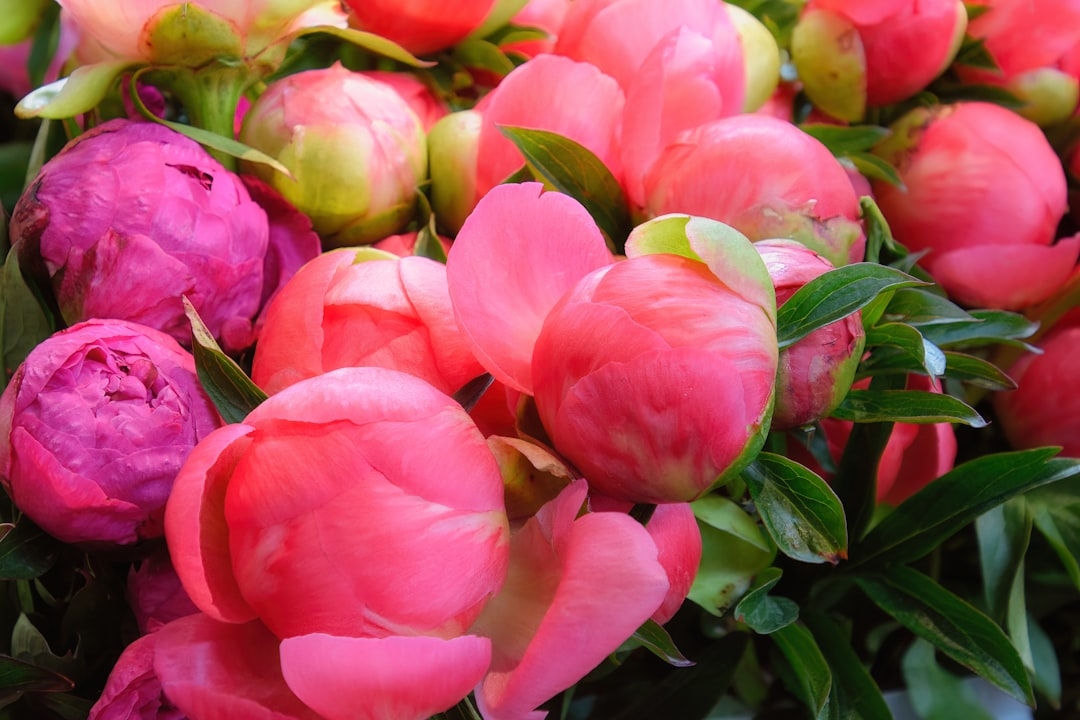
Peonies traditionally symbolize prosperity, good luck, and honor — often given for major milestones. Ranunculus is more personal: it speaks to a specific person’s charm and radiance. They’re emotionally distinct messages, even though both flowers have layered, full blooms visually.
Can ranunculus be used in sympathy arrangements?
White and soft pink ranunculus are appropriate for sympathy use. They convey warmth and sincerity without the heaviness of darker florals. Many US florists include them in sympathy sprays at $45–$85, where they soften arrangements and extend vase life reliably.
The next time you reach for ranunculus, you’re not just picking a pretty bloom — you’re sending a specific message with centuries of meaning behind it. That’s worth the extra thought, and honestly, worth the price tag.