Contents:
- The Core Freesia Meaning: What This Flower Stands For
- Freesia Color Meanings: The Details That Change Everything
- White Freesias
- Yellow Freesias
- Pink Freesias
- Purple and Lavender Freesias
- Red Freesias
- Orange Freesias
- Regional Differences in How Freesias Are Used
- When to Give Freesias: Occasions and Relationships
- Budget-Friendly Ways to Give Freesias Without Skimping on Impact
- Growing Freesias at Home: A Quick Overview
- Frequently Asked Questions About Freesia Meaning
- What does a freesia flower symbolize?
- What is the freesia meaning in a romantic context?
- Are freesias appropriate for sympathy or funerals?
- What does it mean when someone gives you freesias?
- How long do freesias last as cut flowers?
- Choosing Freesias With Confidence
In Victorian England, flowers weren’t just decoration — they were a language. A single bloom handed across a parlor could say what social rules wouldn’t allow spoken aloud. Freesias, with their delicate trumpet-shaped petals and unforgettably sweet scent, were among the most prized of these floral messages. Named after German physician Friedrich Freese in the 1860s, they quickly became a symbol of trust and thoughtfulness among friends who wanted to say something meaningful without saying a word.
That tradition lives on. Today, the freesia meaning still carries real emotional weight — and understanding it helps you choose flowers that actually land with the person receiving them.
The Core Freesia Meaning: What This Flower Stands For
Freesias have a few core symbolic meanings that have stayed consistent across cultures and centuries. At their heart, they represent:
- Trust and innocence — Freesias are one of the traditional flowers given to mark a seventh wedding anniversary, symbolizing deep, tested trust between two people.
- Thoughtfulness — Giving freesias says you were thinking about someone specifically, not just grabbing whatever was near the checkout.
- Friendship — Unlike roses (romantic) or lilies (solemn), freesias occupy the warm middle ground of genuine, platonic affection.
- Renewal and new beginnings — Their early spring bloom time connects them naturally to fresh starts.
The scent plays a role in the symbolism too. Freesias are one of the top five most recognizable floral fragrances in the world, and that distinctive sweetness is often linked to memory and sincerity — the idea that something this natural and real can’t be faked.
Freesia Color Meanings: The Details That Change Everything
Like most flowers, color shifts the message significantly. If you’re choosing freesias with intention, here’s what each hue communicates:
White Freesias
White freesias mean purity, innocence, and new beginnings. They’re a popular choice for weddings and baptisms. They also carry a quiet “I’m thinking of you” energy that makes them appropriate for someone going through a difficult time — not heavy like white lilies, but gentle and supportive.
Yellow Freesias
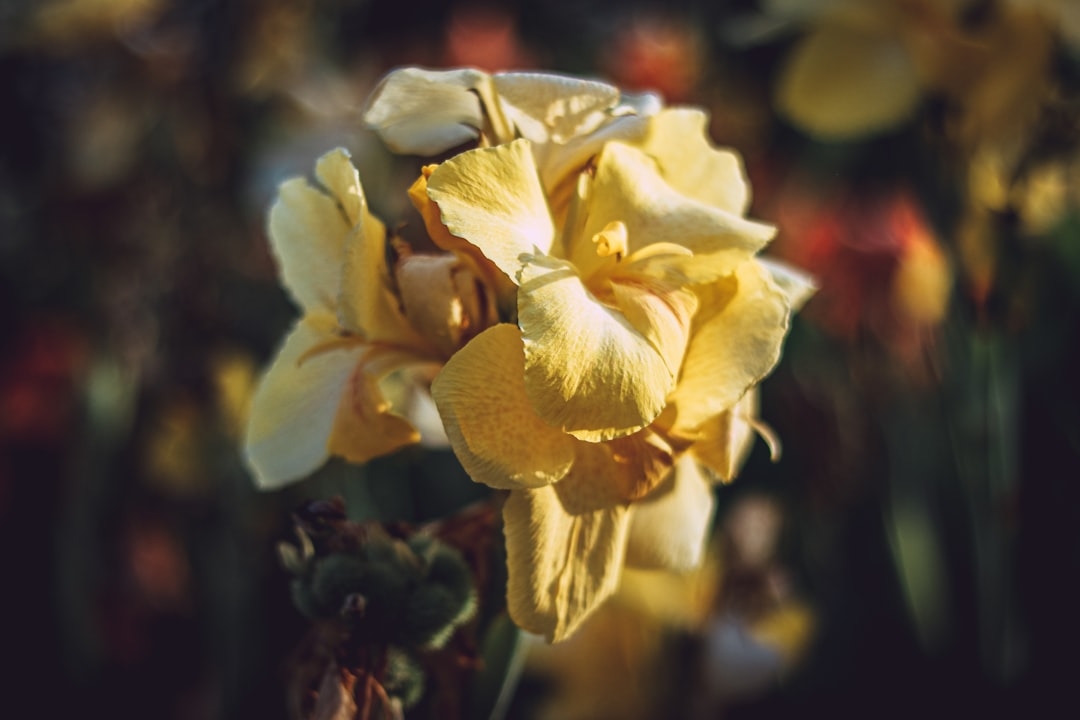
Yellow freesias are cheerful, optimistic, and warm. They communicate joy and renewed energy, which makes them ideal for graduations, housewarming gifts, or any occasion where you want to send someone off into something new with a sense of sunshine. Yellow is also the color most associated with the classic freesia fragrance — many people picture yellow when they smell that iconic scent.
Pink Freesias
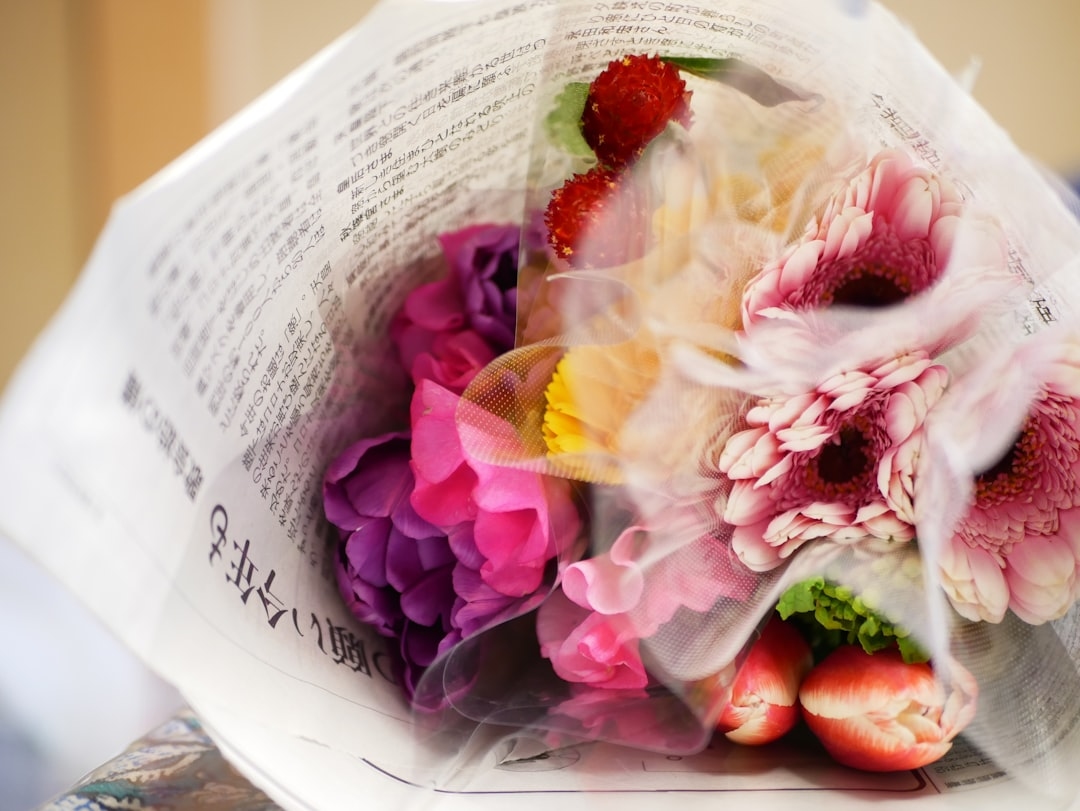
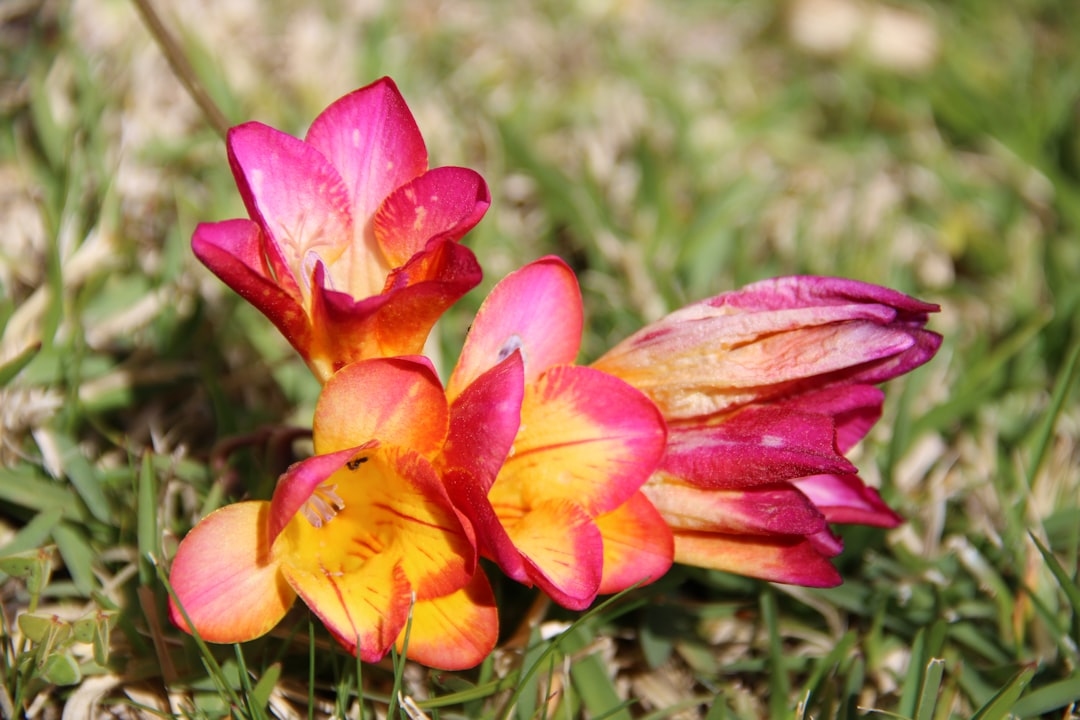
Pink freesias sit comfortably between friendship and romantic love. They’re tender rather than passionate — a good choice for a close friend, a mother, or someone you care for deeply but want to express affection without the pressure of red. Soft pink leans more platonic; hot pink edges toward playful romance.
Purple and Lavender Freesias
Purple freesias carry a sense of admiration and dignity. They have a slightly formal edge — not stiff, but respectful. Lavender varieties soften this into something more delicate and nostalgic, often associated with remembrance and grace.
Red Freesias
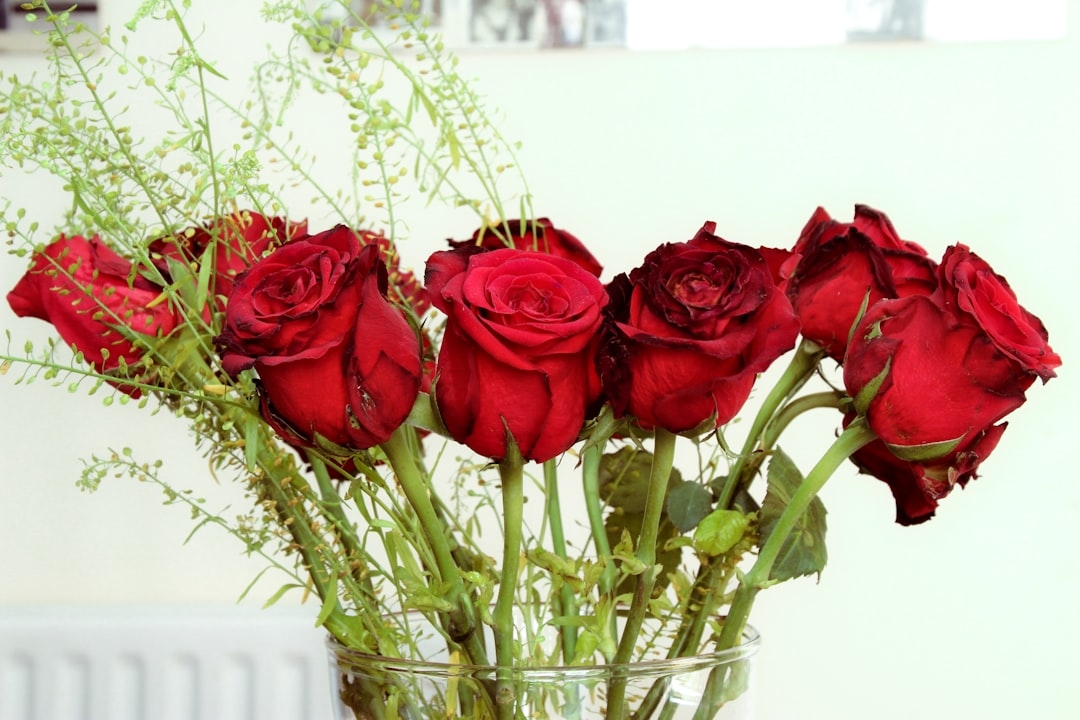
Red is passion and desire, even in freesia form. They’re less common than red roses but carry the same romantic intensity with more originality. If you want to express deep love without the cliché of a dozen red roses, a bouquet of red freesias with greenery makes a striking, personal statement.
Orange Freesias
Orange freesias radiate enthusiasm and energy. They’re bold, warm, and slightly unconventional — perfect for someone creative, adventurous, or who simply loves a vibrant color palette. They’re less common at traditional florists, which actually adds to their charm as a gift.
Regional Differences in How Freesias Are Used
Flower culture isn’t uniform across the US, and freesia use reflects that.
In the Northeast — particularly New York and Boston — freesias are a staple of upscale floral arrangements and are commonly found at high-end florists year-round. They’re considered a sophisticated choice for corporate gifting and sympathy arrangements. Expect to pay $18–$30 for a small bunch at a Manhattan flower market.
In the South, freesias appear frequently in garden wedding arrangements and spring celebrations. Their sweet fragrance pairs well with the outdoor, garden-party aesthetic common in Southern weddings. Local farmers’ market prices in states like Georgia or Tennessee often run $8–$14 per bunch, especially April through June.
On the West Coast — California especially — freesias grow outdoors in USDA Hardiness Zones 9–10 and often show up in casual everyday bouquets. Because they’re locally grown in parts of Southern California, they’re more accessible and affordable, sometimes as low as $5–$8 per stem bunch at farm stands and farmer’s markets in spring.
When to Give Freesias: Occasions and Relationships
Freesias work across a surprisingly wide range of occasions. Here’s a practical breakdown:
- Birthdays: A mixed-color bunch of freesias is personal and fragrant — much more memorable than a generic mixed bouquet.
- 7th Wedding Anniversary: This is the traditional flower for year seven. A bouquet of white and yellow freesias hits both the classic symbolism and the warmth of the occasion.
- “Just because” gifts: Freesias are one of the best flowers for this. They’re not heavy with occasion-specific meaning, so they never feel presumptuous.
- Get well soon: Their uplifting fragrance and cheerful colors make them a better choice for hospital rooms than many heavier flowers.
- New job or new home: Yellow or orange freesias say “this is exciting” without the formality of roses.
- Sympathy (with care): White freesias can work in sympathy arrangements, but avoid making them the sole flower — pair with white lilies or greenery for a fuller, more appropriate arrangement.
Budget-Friendly Ways to Give Freesias Without Skimping on Impact
Freesias are one of the best value flowers you can buy. They punch above their price point in fragrance and visual impact. Here’s a realistic cost breakdown:
- Grocery store / Trader Joe’s: $5–$9 per bunch (typically 10 stems), excellent quality, especially in spring
- Farmers’ market: $8–$14 per bunch, often fresher and more color variety
- Local florist: $15–$25 for a small arranged bouquet; $35–$55 for a premium mixed arrangement featuring freesias
- Online delivery (e.g., UrbanStems, Bouqs): $45–$75 delivered, which includes packaging, delivery, and a longer vase life guarantee
To make a grocery store bunch look florist-quality: trim stems at a 45-degree angle, remove leaves below the waterline, and mix with a single type of greenery (eucalyptus works beautifully). Total cost for a stunning DIY arrangement: under $15.
Freesias also last well. With fresh water changed every two days, they’ll stay vibrant for 7–10 days — longer than tulips, shorter than chrysanthemums, but with far more fragrance than either.
Growing Freesias at Home: A Quick Overview
If you want a steady supply for gifting (and for your own home), freesias are worth growing yourself. They’re corm-based plants — plant the corms in fall in Zones 9–11 for spring bloom, or in spring in Zones 3–8 for summer flowers. Each corm produces 1–3 flower spikes, and a pack of 25 corms typically costs $8–$12 at garden centers.
They need full sun, well-drained soil, and light support (a small stake or wire hoop) since the stems tend to bend under the weight of blooms. In return, you get weeks of cut flowers with that signature fragrance — all for pennies per stem.
Frequently Asked Questions About Freesia Meaning
What does a freesia flower symbolize?
Freesias symbolize trust, innocence, thoughtfulness, and friendship. They’re also associated with new beginnings and are the traditional flower for seventh wedding anniversaries. The specific color refines the message — white means purity, yellow means joy, pink means affection, and red means passion.
What is the freesia meaning in a romantic context?
In romance, freesias represent trust and sincere affection more than fiery passion. Red or pink freesias can carry romantic intent, but the overall freesia meaning leans toward deep, genuine connection rather than new infatuation. They’re ideal for long-term relationships or a meaningful second date — not typically a first-date flower.
Are freesias appropriate for sympathy or funerals?
White freesias can work in sympathy arrangements when combined with other flowers like lilies or white roses. On their own, they’re a bit light for a formal funeral context — but they’re well-suited for a “thinking of you” bouquet for someone grieving, especially when the goal is comfort rather than ceremony.
What does it mean when someone gives you freesias?
Receiving freesias generally means the giver sees you as someone trustworthy and genuinely cares about you. It’s a thoughtful, intentional choice — not a default flower — so it signals that the person picked it specifically with you in mind.
How long do freesias last as cut flowers?
Cut freesias typically last 7–10 days with proper care: fresh water changed every 2 days, stems re-cut at an angle, and placement away from direct heat or fruit (which releases ethylene gas and shortens flower life).
Choosing Freesias With Confidence
Now that you know what freesias actually communicate, you can use them intentionally. Pick white for a new beginning or a quiet moment of support. Go yellow for pure celebration. Choose red or pink when you want warmth that’s either romantic or deeply friendly. And when budget is a factor, know that a $7 grocery store bunch of yellow freesias, arranged simply in a clear glass vase, delivers more charm and fragrance than most $40 bouquets of filler flowers.
Freesias reward attention. Give them to someone who deserves to know you were thinking specifically about them — because that’s exactly what the flower has always said.