Contents:
- The Core Symbolism of the Bleeding Heart Flower
- Bleeding Heart Flower Meaning by Color
- Pink Bleeding Heart
- White Bleeding Heart
- Red Bleeding Heart
- Regional Differences in How Americans Interpret This Flower
- When to Give a Bleeding Heart as a Gift
- Bleeding Heart in Folklore and Literature
- Growing Bleeding Hearts: Practical Notes for US Gardeners
- Frequently Asked Questions
- What is the primary bleeding heart flower meaning?
- Is it appropriate to give bleeding hearts as a sympathy flower?
- What does a white bleeding heart flower symbolize?
- Does the bleeding heart flower have any negative meanings?
- How long do bleeding heart flowers bloom?
What could a flower shaped like a dripping heart possibly mean? That question has fascinated gardeners, poets, and flower enthusiasts for centuries. The bleeding heart flower meaning isn’t a single, tidy answer — it’s a layered symbol that shifts depending on who’s giving it, who’s receiving it, and where in the country you happen to be standing.
Native to Siberia, northern China, Korea, and Japan, this perennial arrived in Western gardens in the 1840s when Scottish botanist Robert Fortune introduced it to the Royal Horticultural Society. Within decades, it had become a cottage garden staple across the US and Europe. Its heart-shaped blooms, dangling from arching stems like tiny pink lanterns, made it nearly impossible to look at without feeling something.
The Core Symbolism of the Bleeding Heart Flower
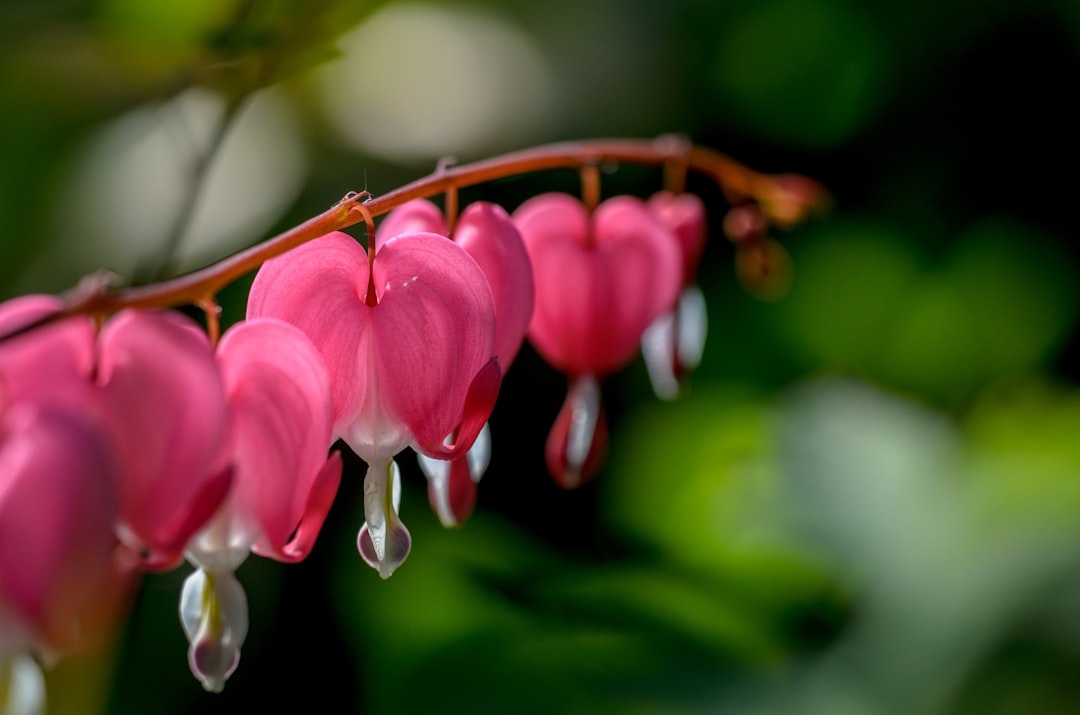
At its most fundamental, the bleeding heart represents deep, unconditional love. The visual is hard to misread: a heart, split open, with a single teardrop falling from its base. It’s a flower that wears its emotion on its sleeve — or rather, on its stem.
Beyond romantic love, the bloom carries several interconnected meanings:
- Compassion and empathy — the open heart as a symbol of emotional availability
- Grief and mourning — historically used in funeral arrangements and sympathy bouquets
- Unrequited or bittersweet love — the “bleeding” element suggesting love that costs something
- Resilience — the plant itself dies back in summer heat but returns reliably every spring
- Spiritual devotion — in Christian iconography, the form echoes the Sacred Heart
This combination of tenderness and pain makes it one of the few flowers that can authentically speak to both joy and sorrow.
Bleeding Heart Flower Meaning by Color
Pink Bleeding Heart
The classic variety. Pink blooms communicate romantic affection, gentle love, and emotional warmth. This is the go-to choice for anniversary arrangements or a heartfelt gesture to someone you care about deeply. The most popular cultivar, ‘Gold Heart,’ pairs pink flowers with golden foliage and reaches about 24 inches tall.
White Bleeding Heart
White cultivars like ‘Alba’ carry meanings of purity, innocence, and spiritual peace. They’re frequently incorporated into sympathy arrangements and memorial gardens. In a grief context, white bleeding hearts communicate “I honor your loss” with more nuance than a standard white lily.
Red Bleeding Heart
Rarer in cultivation, red forms amplify the passion and intensity already present in the flower’s symbolism. They signal ardent, consuming love — the kind that’s difficult to contain.
Regional Differences in How Americans Interpret This Flower
Symbolism isn’t uniform across the US. Regional gardening culture and floral tradition shape how people receive and use this bloom.
In the Northeast — particularly in New England cottage gardens — the bleeding heart is a beloved spring classic, often planted alongside ferns and hostas in shaded borders. Here, it tends to carry nostalgic, sentimental associations. Many gardeners in this region inherited divisions of the plant from older family members, giving it strong connotations of legacy and memory.
In the South, where summer heat causes the plant to go dormant by June, it’s treated more as a fleeting seasonal gift — beautiful precisely because it doesn’t last. That impermanence reinforces its association with bittersweet or short-lived love.
On the West Coast, particularly in the Pacific Northwest where the mild, wet climate suits it perfectly, bleeding heart grows almost effortlessly and blooms for months. There, it’s become less tied to melancholy and more celebrated as a symbol of resilience and effortless grace — a flower that thrives in the rain.
When to Give a Bleeding Heart as a Gift
Context is everything. This is not a casual, throwaway flower — it carries emotional weight, and that’s its greatest strength as a gift.
Appropriate occasions include:
- Sympathy and condolence — paired with white ferns or hellebores in a sympathy arrangement averaging $65–$95 at most US florists
- Romantic milestones — anniversaries or declarations of deep, committed love
- Honoring a caregiver — the compassion symbolism makes it meaningful for nurses, therapists, or anyone in a helping profession
- Memorial plantings — a potted bleeding heart is a living tribute that returns each spring
Avoid sending it as a casual “thinking of you” gift unless you know the recipient understands the symbolism. For someone unfamiliar with its meaning, the name alone can feel unsettling without context.
Bleeding Heart in Folklore and Literature
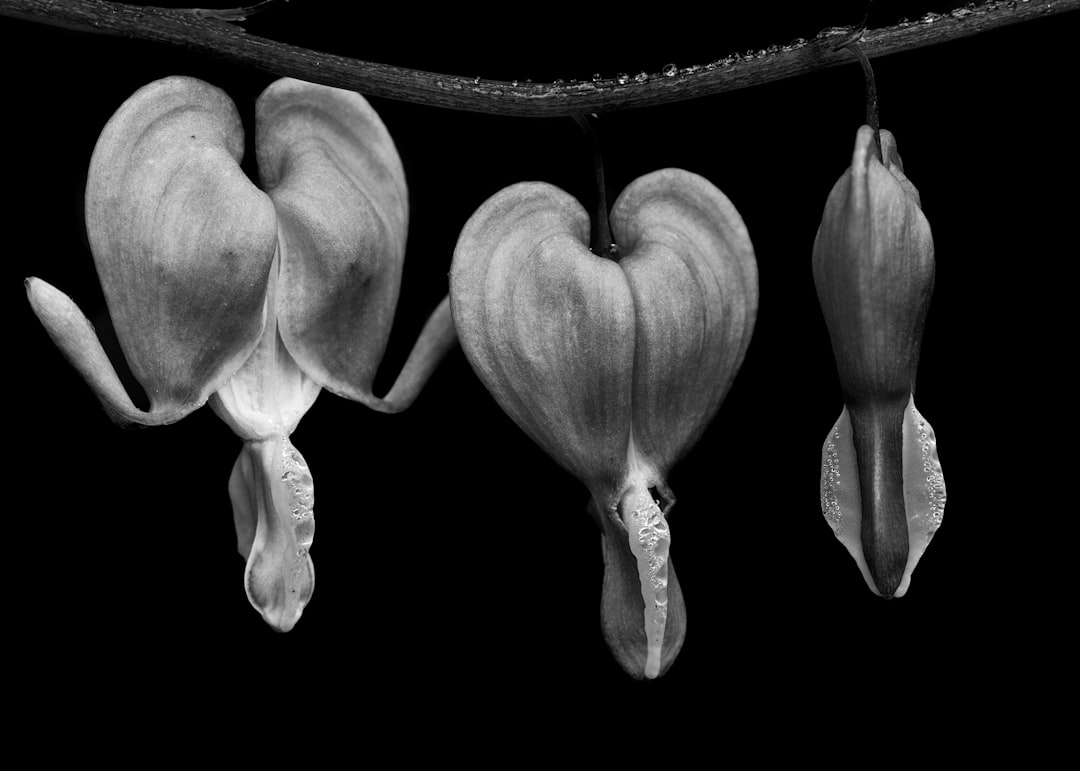
One of the most enduring folk stories attached to this flower is a Japanese legend in which a young man, rejected by the woman he loves, pierces his own heart — and from the ground where he falls, bleeding hearts grow. The story maps almost perfectly onto the flower’s visual anatomy: the outer petals form the heart, the inner petals the figure within, and the dangling tip the drop of blood.
Victorian floriography — the elaborate language of flowers popular from the 1820s through the early 1900s — assigned bleeding heart the meaning “you have broken my heart” or “hopeless, but not heartless.” Sending this bloom to someone in that era was an unmistakable message.
In modern literature, the flower continues to appear as shorthand for emotional rawness. It shows up in Mary Oliver’s poetry, Gothic fiction, and countless garden memoirs as a symbol of loving without armor.
Growing Bleeding Hearts: Practical Notes for US Gardeners
Understanding the flower’s symbolism is richer when you’ve grown one yourself. Lamprocapnos spectabilis thrives in USDA hardiness zones 3–9, making it accessible to most of the continental US. It prefers partial shade and consistently moist, well-drained soil with a slightly acidic pH of 6.0–6.5.
Plant rhizomes 1–2 inches deep in early spring or fall, spacing them 18–24 inches apart. Expect blooms from April through June in most regions. In zones 7–9, the foliage will yellow and die back by midsummer — this is normal dormancy, not death. Mark the location so you don’t accidentally disturb the roots.
One important note: all parts of the plant are mildly toxic if ingested and can cause skin irritation in sensitive individuals. Keep it away from children and pets.
Frequently Asked Questions
What is the primary bleeding heart flower meaning?
The bleeding heart flower primarily symbolizes deep romantic love, compassion, and emotional vulnerability. It can also represent grief or unrequited love, depending on context and color.
Is it appropriate to give bleeding hearts as a sympathy flower?
Yes. White bleeding heart varieties in particular are well-suited to sympathy arrangements, representing spiritual peace and the honoring of loss. Pink varieties are better reserved for romantic or celebratory occasions.
What does a white bleeding heart flower symbolize?
White bleeding hearts symbolize purity, innocence, and spiritual peace. They are commonly used in memorial gardens and condolence bouquets.
Does the bleeding heart flower have any negative meanings?
In Victorian floriography, it could mean “you have broken my heart,” so context matters. The name can also feel unsettling to some recipients who aren’t familiar with the flower’s appearance or symbolism. Pairing it with a note explaining its meaning is always a good idea.
How long do bleeding heart flowers bloom?
In most US regions (zones 4–7), bleeding hearts bloom for 6–8 weeks between April and June. In cooler Pacific Northwest climates, the bloom period can extend to 3–4 months.
The bleeding heart flower meaning rewards anyone willing to look past the dramatic name. This is a bloom that has been communicating nuanced human emotion — love, grief, devotion, resilience — for centuries, across continents and cultures. Whether you’re choosing it for a garden bed in zone 5 or selecting it for a carefully considered gift, knowing what it carries makes the gesture far more intentional. Plant one this spring and watch how differently you feel about it once you understand what it’s been saying all along.