Contents:
- Background: Where Bird of Paradise Symbolism Comes From
- Core Bird of Paradise Symbolism: What Each Meaning Represents
- Freedom and Flight
- Joy and Paradise
- Magnificence and Royalty
- Faithfulness and Long Partnerships
- Color Symbolism Within the Flower
- Regional Differences in How Americans Use Bird of Paradise
- When to Give Bird of Paradise: Practical Guidance
- Growing Bird of Paradise as a Living Symbol
- Frequently Asked Questions About Bird of Paradise Symbolism
- What does a bird of paradise flower symbolize in general?
- Is bird of paradise a good gift flower?
- What does the bird of paradise symbolize in different cultures?
- What does a white bird of paradise symbolize?
- What is the spiritual meaning of bird of paradise?
- Make the Symbolism Work for You
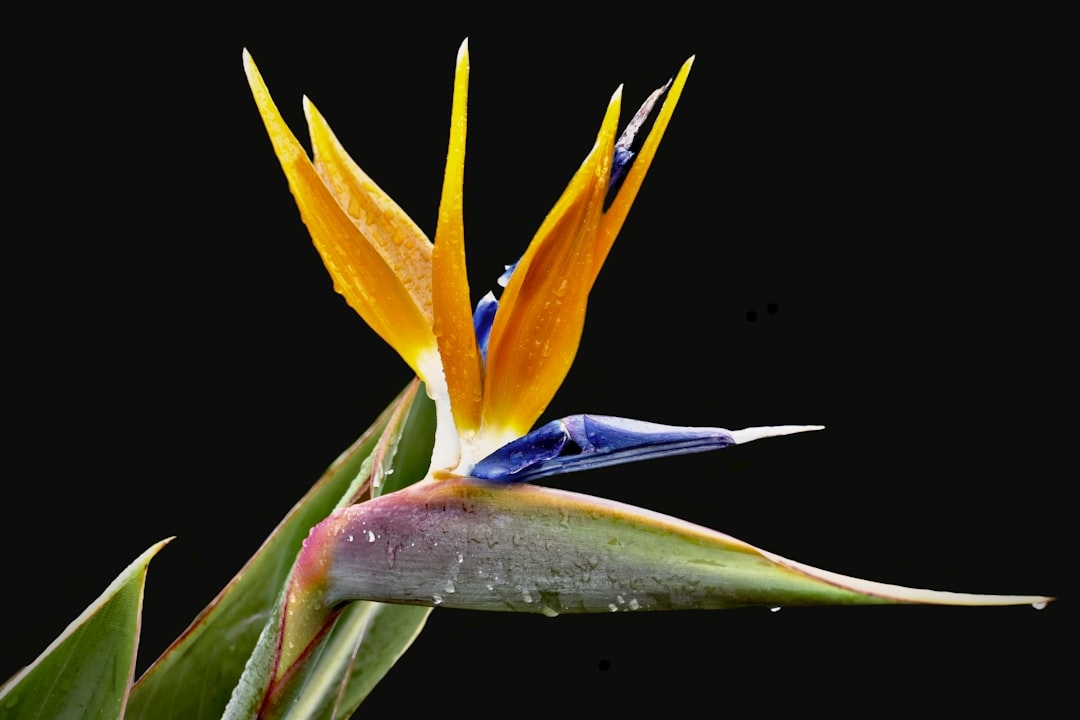
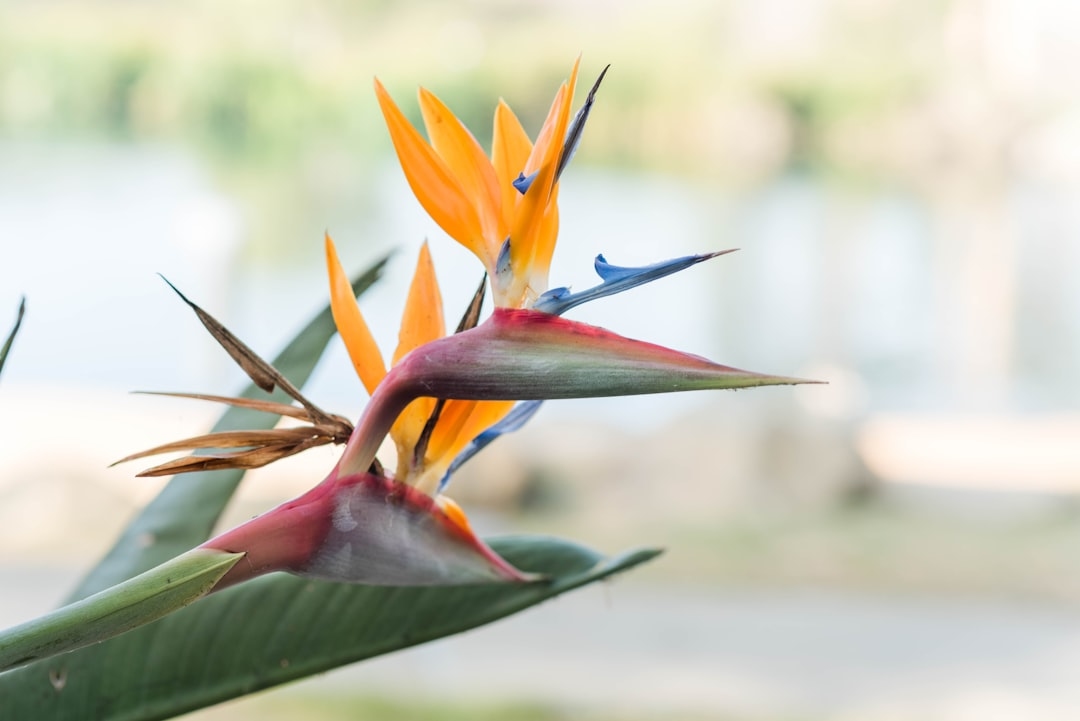
Few flowers command a room like the bird of paradise. Its dramatic silhouette—a blazing orange and electric blue crown erupting from a stiff green spathe—looks less like a plant and more like a tropical bird caught mid-flight. That visual drama is not accidental. Bird of paradise symbolism is inseparable from its form: every meaning attributed to this flower traces back to the way it looks and where it comes from.
Understanding what this plant communicates, culturally and historically, gives you a much richer sense of when and why to use it—whether you’re arranging flowers for a milestone celebration or simply curious about the story behind a striking bloom.
Background: Where Bird of Paradise Symbolism Comes From
Strelitzia reginae is native to the Eastern Cape of South Africa, where it grows along forest margins and riverbanks. It was introduced to Europe in 1773 by Sir Joseph Banks, who brought specimens to the Royal Botanic Gardens at Kew and named the genus after Queen Charlotte of Mecklenburg-Strelitz. That royal association seeded early symbolic meanings around dignity, refinement, and magnificence—themes that stuck.
The common name comes from the male birds-of-paradise found in Papua New Guinea and Indonesia, whose iridescent plumage the flower uncannily resembles. This overlap between avian and botanical beauty made the flower a natural symbol of exotic freedom and flight—concepts humans have projected onto birds for millennia.
In its native South Africa, the plant is sometimes called ikhamanga in Zulu. The South African government incorporated it into national awards, using the golden form (Strelitzia reginae ‘Mandela’s Gold’) as a symbol of unity and achievement.
Core Bird of Paradise Symbolism: What Each Meaning Represents
Freedom and Flight
The most widely cited meaning in bird of paradise symbolism is freedom. The flower’s resemblance to a bird in flight drives this association directly. Giving a bird of paradise to someone navigating a major life transition—a graduation, a career change, a cross-country move—communicates an encouragement toward liberation and forward motion that few other flowers match.
Joy and Paradise
The name itself does a lot of symbolic work. “Paradise” carries both spiritual and secular connotations: the perfected afterlife in Abrahamic traditions and the tropical ideal in everyday speech. As a result, the flower often appears in arrangements meant to evoke warmth, abundance, and optimistic energy. Florists in tropical climates like Hawaii and Florida frequently use it in celebration arrangements specifically because it reinforces that sensory association with paradise.
Magnificence and Royalty
Its European introduction into aristocratic botanical gardens tied bird of paradise to themes of grandeur from the start. Today, this meaning shows up practically in its use for high-profile events—corporate galas, luxury hotel lobbies, and black-tie weddings—where the flower’s architectural scale (stems can reach 5 feet tall) provides visual gravitas without the delicacy of orchids or roses.
Faithfulness and Long Partnerships
In Western floral traditions, the bird of paradise is the designated flower for the 9th wedding anniversary. This pairing with a specific relationship milestone anchors it to ideas of loyalty and endurance. A couple marking nine years together receives something that communicates: this bond has matured into something extraordinary.
Color Symbolism Within the Flower
Most people encounter the orange-and-blue variety (Strelitzia reginae), but color matters symbolically.
- Orange petals: Energy, enthusiasm, warmth, and adventure. Orange in floral symbolism sits between red’s passion and yellow’s happiness—making it ideal for celebratory rather than romantic gestures.
- Blue “tongue”: The electric blue inner petals reinforce associations with sky, freedom, and the infinite. Blue is rare in nature and carries cultural weight around trust, calm, and depth.
- White varieties (Strelitzia alba or S. nicolai): The giant white bird of paradise carries a more restrained symbolic profile—purity, clarity, and peaceful grandeur. These are increasingly popular in modern minimalist wedding design.
- Yellow varieties (‘Mandela’s Gold’): Rare and expensive, these carry meaning around optimism, achievement, and cultural pride in South African contexts.
Regional Differences in How Americans Use Bird of Paradise
Bird of paradise symbolism plays out differently depending on where you are in the United States.
West Coast: In California, it’s practically a civic emblem. Los Angeles designated Strelitzia reginae as its official flower in 1952. You’ll find it growing along median strips in LA and San Diego. For West Coast buyers, the flower carries a distinctly local identity—it signals Southern California pride as much as tropical grandeur. Florists in LA report it as one of their top five most-requested stems year-round.
Southeast: In Florida and the Gulf Coast states, where the plant grows outdoors in USDA Hardiness Zones 10–12, bird of paradise appears heavily in outdoor landscape design and local floral work. The symbolic emphasis here leans toward abundance and the good life—appropriate to a region that markets itself on warm weather and leisure.
Northeast and Midwest: In colder climates (Zones 4–7), where the flower must be grown indoors or sourced entirely from florists, it carries more explicit “exotic escape” symbolism. Receiving a bird of paradise arrangement in January in Boston or Chicago lands with more emotional weight precisely because it feels rare and transporting.
When to Give Bird of Paradise: Practical Guidance
The flower’s symbolism makes it well-suited for specific occasions. Here’s where it earns its place:
- 9th wedding anniversaries — the traditional floral designation for this milestone
- Milestone birthdays (40th, 50th, 60th) — the scale and drama match the significance
- Retirements — freedom and new horizons are core associations
- Housewarming gifts — the potted plant (Strelitzia reginae thrives in bright indirect light indoors) communicates abundance and new beginnings
- Congratulations arrangements — for promotions, launches, or achievements
Avoid it for funerals or sympathy arrangements in most American cultural contexts, where its energy reads as celebratory rather than consolatory. There are exceptions in cultures where death is celebrated joyfully, but it’s not the default.
Growing Bird of Paradise as a Living Symbol
If you want the symbolism on a daily basis, growing Strelitzia reginae indoors is achievable in any US climate. It requires bright light (at least 4–6 hours of direct sun per day), infrequent watering, and patience—plants typically take 3–5 years to bloom from seed. Mature plants in containers bloom most reliably when slightly root-bound, which is a detail that surprises most new growers. The reward is a flower that can last 2–3 weeks in a vase after cutting, far outlasting roses or tulips.
Frequently Asked Questions About Bird of Paradise Symbolism
What does a bird of paradise flower symbolize in general?
The bird of paradise flower primarily symbolizes freedom, joy, paradise, and magnificence. It is also associated with optimism, faithfulness, and exotic beauty. These meanings derive from both its dramatic appearance and its history of introduction into European royal botanical gardens.
Is bird of paradise a good gift flower?
Yes. It is especially appropriate for milestone occasions—9th anniversaries, retirements, milestone birthdays, and major achievements. It reads as celebratory and grand rather than romantic, making it a strong choice when roses would feel too intimate.
What does the bird of paradise symbolize in different cultures?
In South African Zulu tradition, it is associated with achievement and unity. In Western floral symbolism, it represents the 9th wedding anniversary. In Los Angeles, it is a civic symbol. In general tropical and subtropical cultures, it emphasizes abundance and the pleasures of paradise.
What does a white bird of paradise symbolize?
The white bird of paradise (Strelitzia alba or S. nicolai) symbolizes purity, clarity, and peaceful grandeur. It is increasingly used in modern minimalist wedding designs and carries a cooler, more serene symbolic profile than the orange-and-blue variety.
What is the spiritual meaning of bird of paradise?
Spiritually, the bird of paradise is often associated with heaven, transcendence, and liberation. Its name directly references paradise in religious traditions. Some practitioners of floral therapy associate it with encouraging bold self-expression and breaking through limitations.
Make the Symbolism Work for You
Bird of paradise symbolism rewards specificity. The more deliberately you match the flower’s meanings—freedom, magnificence, joyful abundance—to the moment you’re marking, the more powerful the gesture becomes. A single stem in a tall cylinder vase on a 9th anniversary table. A structural tropical arrangement delivered to someone stepping into a bold new chapter. A potted plant that blooms for years in a sunny window, a daily reminder of optimism growing slowly in real time.
Next time you see this flower at a market or florist, look at it the way its first European admirers did: as something so extraordinary it must have come from somewhere extraordinary. That instinct is exactly right—and it’s the core of everything this flower has meant for 250 years.