Contents:
- The Cultural Roots of Hibiscus Symbolism
- What Hibiscus Symbolizes by Color
- Red Hibiscus
- White Hibiscus
- Yellow Hibiscus
- Pink Hibiscus
- Purple Hibiscus
- Regional Hibiscus Symbolism Across the United States
- Hibiscus in Spiritual and Wellness Contexts
- Eco-Friendly Ways to Grow and Gift Hibiscus
- Practical Tips for Using Hibiscus Symbolically
- Frequently Asked Questions About Hibiscus Symbolism
- What does a hibiscus flower symbolize in general?
- What does a red hibiscus flower mean?
- Is hibiscus a good flower to give as a gift?
- What does hibiscus symbolize in Hawaii?
- Does hibiscus have a spiritual meaning?
- How to Choose the Right Hibiscus for Your Message
In 1923, the Territory of Hawaii officially adopted the pua aloalo — the native yellow hibiscus — as its floral emblem, cementing a relationship between this flower and Hawaiian identity that had existed for centuries. Hawaiian women had long worn hibiscus blooms behind their ears: right ear if single, left ear if taken. A simple flower carrying a full social message. That kind of layered meaning is exactly what makes hibiscus so fascinating, and so worth understanding before you plant one, gift one, or tattoo one on your forearm.
Hibiscus symbolism runs deep across a surprising number of cultures — and the meanings aren’t always the same. Knowing what this flower communicates can help you use it more intentionally, whether you’re arranging a bouquet, choosing a garden focal point, or selecting a meaningful gift.
The Cultural Roots of Hibiscus Symbolism
The genus Hibiscus contains over 300 species, native to warm temperate, subtropical, and tropical regions across the globe. That geographic spread means the flower absorbed different meanings in different places long before modern communication connected those traditions.
In ancient Egypt, hibiscus tea brewed from Hibiscus sabdariffa was associated with love and was reportedly consumed to lower body temperature — a practical plant with romantic overtones. In the Victorian language of flowers, a hibiscus given to someone meant the giver was acknowledging their delicate beauty. It wasn’t a bold declaration; it was a subtle, appreciative gesture.
Korea designated the hibiscus (called mugunghwa, or Hibiscus syriacus) its national flower — a symbol of immortality and perseverance, chosen specifically because the plant blooms persistently from July through October, producing up to 100 flowers per plant per season. That isn’t poetic license. That’s botanical fact, and it shapes the symbolism directly.
Malaysia made the hibiscus its national flower in 1960, calling it bunga raya. There, the five petals represent the five principles of the Malaysian national philosophy, Rukun Negara. The flower isn’t decorative to them — it’s civic.
What Hibiscus Symbolizes by Color
Color changes everything. A red hibiscus and a white hibiscus don’t carry the same message, even if they’re growing side by side in the same garden bed.
Red Hibiscus
Red is the most universally recognized hibiscus color, and its symbolism tracks closely with other red flowers: passion, romantic love, and desire. In many Caribbean and Latin American traditions, red hibiscus is woven into celebrations of femininity and sensuality. If you’re gifting to a romantic partner, red is the direct choice — no ambiguity.
White Hibiscus
White hibiscus signals purity, peace, and new beginnings. It’s a common choice for weddings and sympathy arrangements. At a US flower shop, a white hibiscus plant typically runs $12–$25, making it an affordable sympathy gift compared to cut arrangements that can exceed $75.
Yellow Hibiscus
Yellow carries happiness, good luck, and sunshine energy. The yellow pua aloalo of Hawaii — Hibiscus brackenridgei — is actually endangered in the wild, which gives it an additional layer of meaning around rarity and preciousness. Growing one in a container garden is a small act of conservation.
Pink Hibiscus
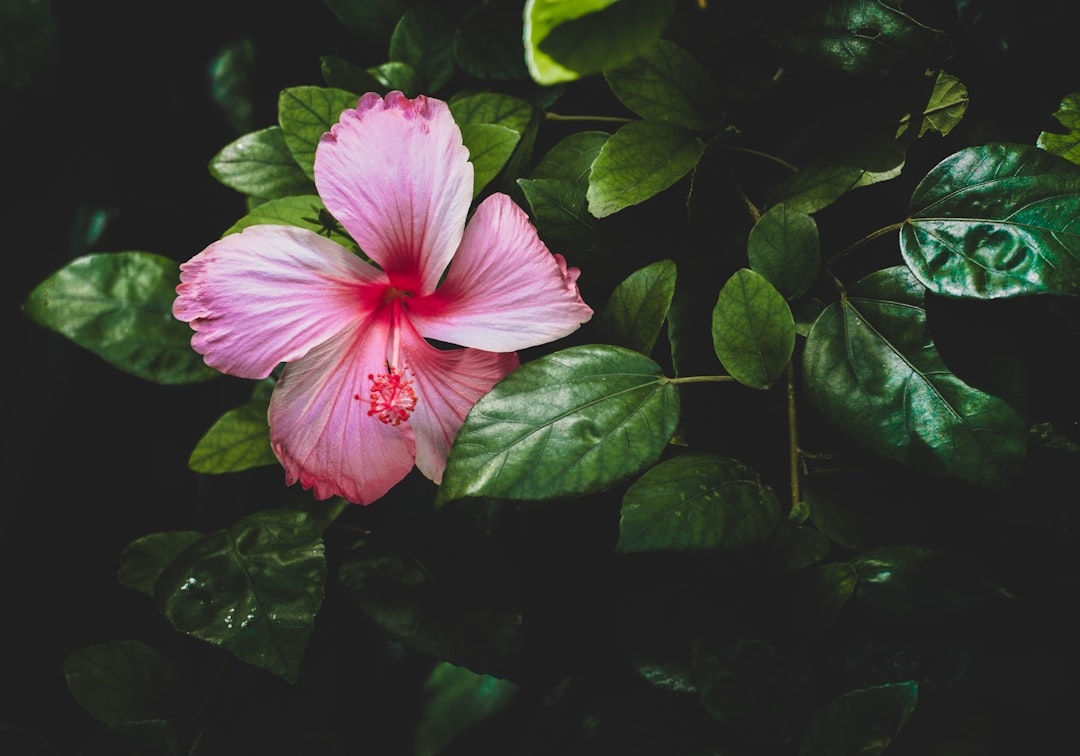
Pink sits between red and white in meaning: affection, friendship, and admiration without the intensity of romantic declaration. It’s the safe choice for a wide range of relationships — coworkers, friends, family members you want to honor without sending mixed signals.
Purple Hibiscus
Purple hibiscus, less common and often more expensive (expect to pay $20–$40 for a quality plant), symbolizes mystery, royalty, and deep respect. Chimamanda Ngozi Adichie used purple hibiscus as the central symbol in her 2003 debut novel — a rare beauty that masks trauma — which added literary weight to the color’s meaning for many readers.
Regional Hibiscus Symbolism Across the United States
Hibiscus meaning shifts depending on where you live in the US, partly because of what grows there and partly because of cultural concentration.
In the South — particularly Florida, Georgia, and Louisiana — tropical hibiscus (Hibiscus rosa-sinensis) is a landscape staple. It grows in USDA Hardiness Zones 9–11 without protection. Down here, it’s less symbolically loaded and more practically beloved. You’ll see it lining driveways and framing porches. The symbolism is casual: warmth, welcome, abundance.
On the West Coast, particularly in Southern California and Hawaii, hibiscus carries stronger cultural resonance tied to Pacific Islander and Latino communities. Red and yellow varieties appear at celebrations, altars, and festivals. The meaning is more intentional, more ceremonial.
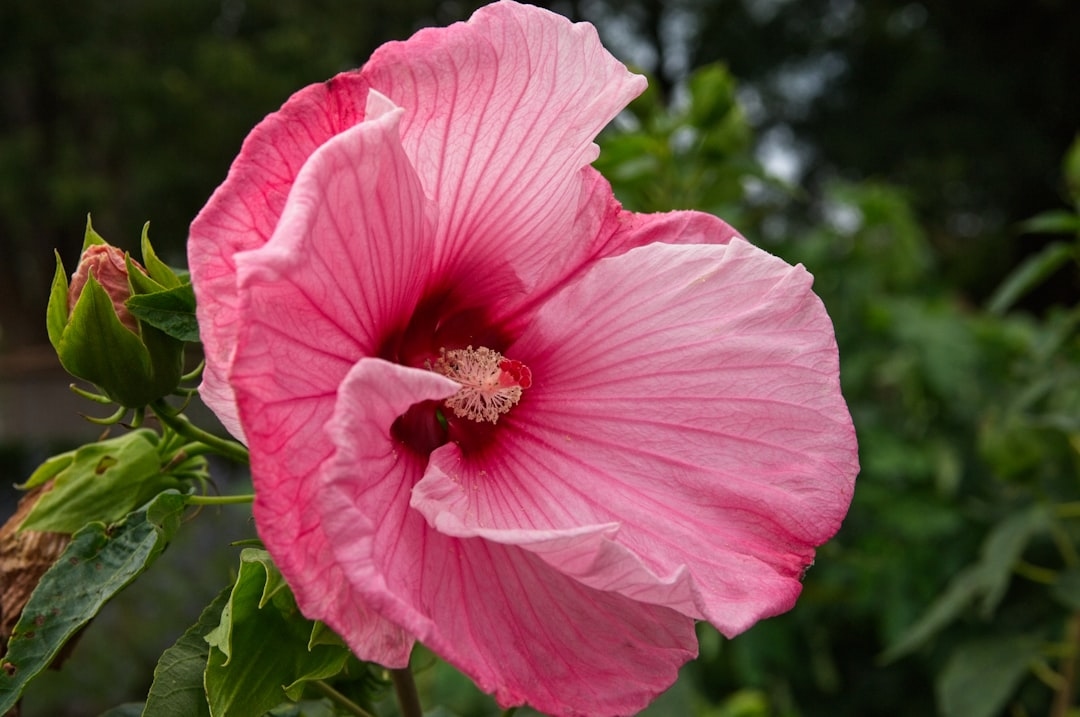
In the Northeast, where tropical hibiscus can’t survive winters below 10°F, gardeners rely on hardy hibiscus varieties like Hibiscus moscheutos, which blooms with dinner-plate-sized flowers up to 12 inches across. Here, hibiscus is a statement plant — a symbol of commitment and patience, because you have to work harder to grow something this dramatic in a Zone 5 or 6 climate. The symbolism becomes personal: persistence, beauty earned through effort.
Hibiscus in Spiritual and Wellness Contexts
Beyond cultural traditions, hibiscus appears consistently in spiritual practices. In Hindu worship, red hibiscus is offered to Goddess Kali and to Ganesha. It’s one of the few flowers considered appropriate for both deities — a fact that speaks to its sacred flexibility.
In modern wellness culture, hibiscus tea (made from the dried calyces of Hibiscus sabdariffa) has been studied for cardiovascular benefits. A 2010 study published in the Journal of Nutrition found that consuming hibiscus tea daily for six weeks reduced systolic blood pressure by an average of 7.2 mmHg in pre-hypertensive adults. That clinical data reinforces the flower’s long-standing association with vitality and healing.
“Hibiscus is one of the rare plants where the symbolism and the science actually line up,” says Dr. Renata Osei-Mensah, a horticulturist and ethnobotany instructor at the Atlanta Botanical Garden. “It’s been used ceremonially to represent love and longevity for centuries, and we’re now finding real physiological reasons why ancient cultures prized it so highly.”
Eco-Friendly Ways to Grow and Gift Hibiscus
If you’re drawn to hibiscus for its meaning, there’s a sustainable way to bring it into your life. Rather than buying cut hibiscus flowers — which typically last only 1–2 days in a vase — consider gifting a potted plant. A 1-gallon tropical hibiscus from a local nursery costs $10–$18 and can live for years with basic care. That’s a gift with lasting symbolic weight, not a disposable gesture.
For gardens in Zones 4–8, hardy hibiscus varieties are drought-tolerant once established, require no pesticides to thrive, and attract hummingbirds and native bees. Planting one is an ecological contribution, not just a decorative choice. Look for cultivars like ‘Kopper King’ or ‘Luna Red’ — both are widely available at big-box garden centers for $15–$25 per plant.
Skip the floral foam (it’s non-biodegradable and sheds microplastics) if you’re arranging hibiscus blooms for a short-lived display. Use a simple vase with fresh water changed daily, or a grid of floral tape across the vase mouth to support stems without synthetic materials.
Practical Tips for Using Hibiscus Symbolically
- For romantic gifts: Red or deep pink hibiscus plants in a terracotta pot, tied with raffia twine. Costs under $25 total. Communicates passion with longevity built in.
- For weddings: White or blush hibiscus blooms harvested morning-of (they open fresh each day). Use as hair flowers or floating in water bowls for table decor.
- For sympathy: A white hardy hibiscus planted in the recipient’s garden gives them something that returns every summer — a living memorial rather than flowers that die in a week.
- For cultural celebrations: Research the specific tradition before selecting color. In some South Asian ceremonies, only red hibiscus is appropriate for offerings. Substituting pink isn’t neutral — it can signal ignorance of the tradition.
- For personal meaning: Yellow hibiscus in a container garden near your entry door is a traditional good-luck placement in several Southeast Asian traditions. Pair it with regular fertilizing (balanced 10-10-10, every two weeks during growing season) to keep it blooming prolifically.
Frequently Asked Questions About Hibiscus Symbolism
What does a hibiscus flower symbolize in general?
Hibiscus most commonly symbolizes beauty, love, and fleeting delicate nature — a nod to how each individual bloom lasts only one to three days. Across cultures, it also represents femininity, good luck, and vitality. The specific meaning shifts with color and cultural context.
What does a red hibiscus flower mean?
A red hibiscus symbolizes romantic love, passion, and desire. It is used in Caribbean, Hawaiian, and Hindu traditions to represent feminine beauty and sensuality. In Malaysia, red hibiscus is a national symbol of courage and life.
Is hibiscus a good flower to give as a gift?
Yes — especially as a potted plant rather than cut flowers. A potted hibiscus lasts years, costs $10–$25, and carries layered meaning depending on color. It’s a practical, affordable, and symbolically rich gift for a wide range of occasions.
What does hibiscus symbolize in Hawaii?
In Hawaii, hibiscus symbolizes the islands themselves — beauty, welcome, and aloha spirit. The yellow hibiscus (Hibiscus brackenridgei) is the official state flower. Wearing hibiscus behind the right ear traditionally signals that a person is single and available.
Does hibiscus have a spiritual meaning?
Yes. In Hinduism, red hibiscus is offered to deities including Kali and Ganesha as a symbol of devotion and auspiciousness. In various folk traditions across Asia, Africa, and the Caribbean, hibiscus is associated with protection, healing, and spiritual vitality.
How to Choose the Right Hibiscus for Your Message
Start with color, then consider longevity. If the symbolism matters — if you’re giving this flower because of what it means, not just how it looks — invest in a living plant over cut blooms. A $15 hardy hibiscus planted in a recipient’s garden in May will still be blooming in August, still carrying its meaning every time they see it open a new flower in the morning sun.
That’s the practical power of understanding hibiscus symbolism: it turns a garden-center purchase into a considered gesture. You’re not just buying a plant. You’re choosing a message that will repeat itself, bloom after bloom, for years.