Contents:
- Why Coworkers Give Flowers: The Most Common Reasons
- Celebration and Milestones
- Gratitude and Support
- Sympathy and Emotional Support
- Romantic Interest
- Reading the Context: What the Flower Type Says
- A Seasonal Calendar: When Workplace Flower-Giving Spikes
- Common Mistakes to Avoid When You Receive Workplace Flowers
- The Eco-Friendly Angle: Does It Matter Where the Flowers Came From?
- How to Respond Gracefully
- FAQ: Coworker Gives Flowers Meaning
- What does it mean when a coworker gives you flowers for no obvious reason?
- Is it appropriate to give a coworker flowers?
- What flower types are safe to give a coworker?
- How do I know if a coworker giving me flowers has romantic feelings?
- Should I thank a coworker for flowers even if I’m unsure of their intent?
- What to Do Next
Flowers don’t show up at your desk by accident. When a coworker hands you a bouquet — or even a single stem — there’s always a reason behind it, and figuring out what that reason is can feel surprisingly tricky. The coworker gives flowers meaning question is one more people ask than you’d think, because flowers carry a wide emotional range: gratitude, admiration, sympathy, celebration, or yes, sometimes romantic interest. Getting the read right matters — both for your peace of mind and for how you respond.
Why Coworkers Give Flowers: The Most Common Reasons
Before you overthink the gesture, know this: the vast majority of workplace flower-giving is entirely platonic and professionally motivated. A 2026 survey by the Society of American Florists found that over 60% of flower purchases are made for occasions like birthdays, promotions, and expressions of appreciation — not romance. That context alone should lower your stress level significantly.
Celebration and Milestones
Birthdays, work anniversaries, promotions, and project completions are the most frequent triggers. If you just wrapped a major deadline or hit your five-year mark at the company, flowers are a natural, low-key way for a coworker to say “I see your effort.” A small mixed bouquet — typically $15–$30 from a grocery store or local florist — is a common choice for these moments.
Gratitude and Support
Did you cover someone’s shift, mentor a new hire, or help a colleague through a rough patch? Flowers are a tangible “thank you” that goes beyond a Slack message. This type of giving is especially common after stressful sprints — think post-quarter-close in finance roles or after a product launch in tech.
Sympathy and Emotional Support
If you’ve recently experienced a loss, illness, or difficult personal situation, flowers signal care. Coworkers who give flowers in this context are often close enough to know what you’re going through but may not have the words. Soft, calming arrangements — white lilies, pale roses, lavender — are typical here.
Romantic Interest
It happens, but it’s the least common scenario in a professional setting. Red roses delivered privately, a handwritten note with a personal tone, or a pattern of small gifts over time are stronger indicators of romantic intent than a shared birthday bouquet left on your desk.
Reading the Context: What the Flower Type Says
Florists and horticulturalists have studied flower symbolism for centuries, and while formal Victorian floriography has faded, some associations still hold. Here’s a quick decoder:
- Sunflowers: Warmth, positivity, friendship — very common in workplace settings.
- Red roses: Romantic love — worth paying attention to if received privately.
- Yellow roses: Friendship and cheerfulness — a totally safe, collegial pick.
- White flowers (lilies, carnations): Sympathy, respect, or new beginnings.
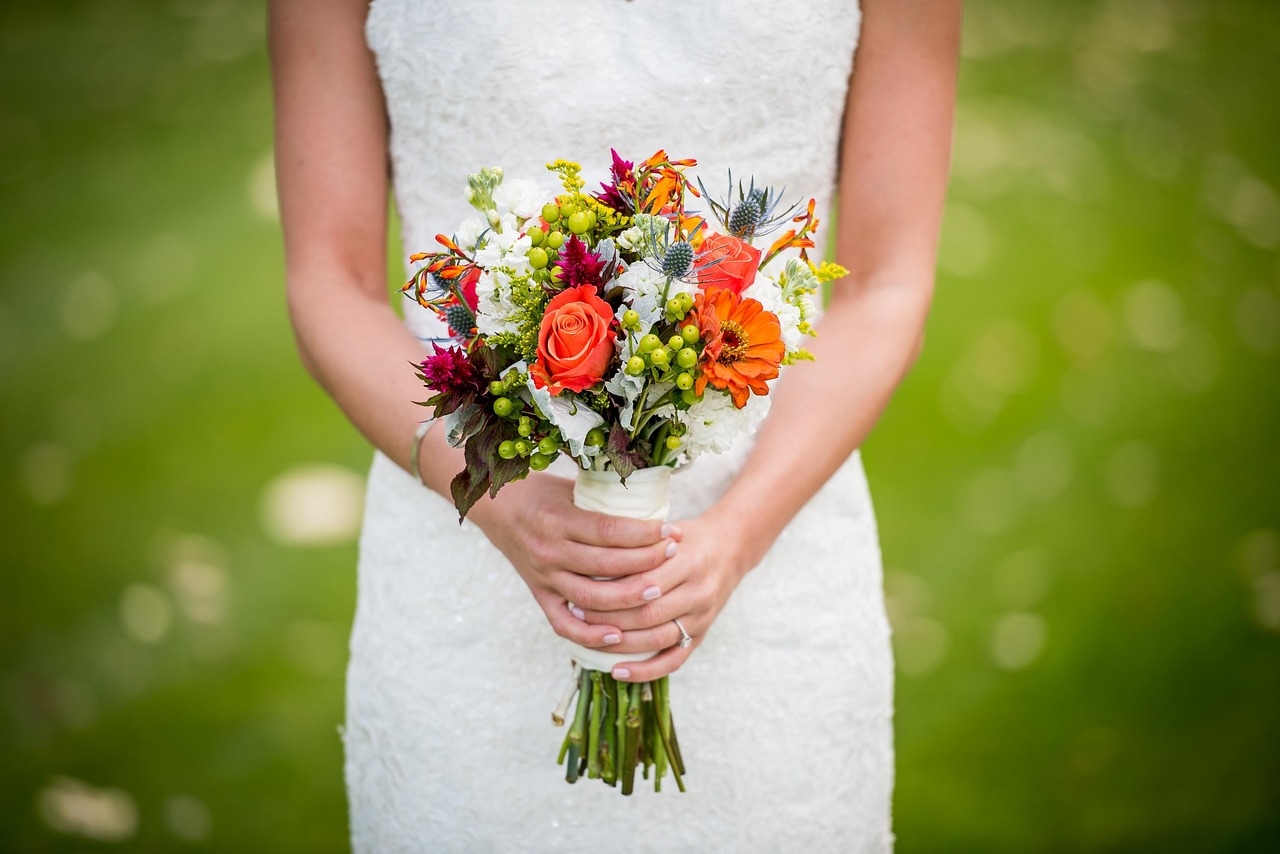
- Mixed wildflower bouquets: Casual appreciation — no hidden message here.
- Orchids: Admiration and elegance — could read as more intentional or personal.
A Seasonal Calendar: When Workplace Flower-Giving Spikes
Timing adds another layer of meaning. Certain months see a notable uptick in workplace flower exchanges:
- January–February: Post-holidays and Valentine’s season. Flowers given around February 14th carry more romantic weight than at other times of year.
- March–April: Administrative Professionals’ Week (late April) drives significant flower purchases for support staff and assistants.
- May: End-of-fiscal-year celebrations in many industries; also Teacher Appreciation Week.
- September–October: Back-to-office seasons and Q3 wrap-ups often prompt small appreciation gestures.
- November–December: Holiday season gifts — flowers are common alongside cards and treats.
If you receive flowers in mid-February from someone you’ve noticed paying extra attention to you, that context matters. The same bouquet in late April during Admin Professionals’ Week reads very differently.
Common Mistakes to Avoid When You Receive Workplace Flowers
How you receive a gift matters just as much as the gift itself. Here are a few missteps that can make a simple gesture awkward:
- Over-reading the gesture publicly. Announcing “someone has a crush on me!” based on a birthday bouquet creates unnecessary tension and can embarrass the giver.
- Under-responding. A quick, genuine “thank you, these are so lovely” takes ten seconds and goes a long way. Ignoring a kind gesture entirely can read as cold.
- Assuming negative intent. Not every coworker giving flowers has an ulterior motive. Cynicism can damage a perfectly healthy working relationship.
- Responding with reciprocal gifts immediately. If you’re unsure about the meaning, a warm verbal thank-you is the right first step — not rushing to reciprocate with something equally significant.
The Eco-Friendly Angle: Does It Matter Where the Flowers Came From?
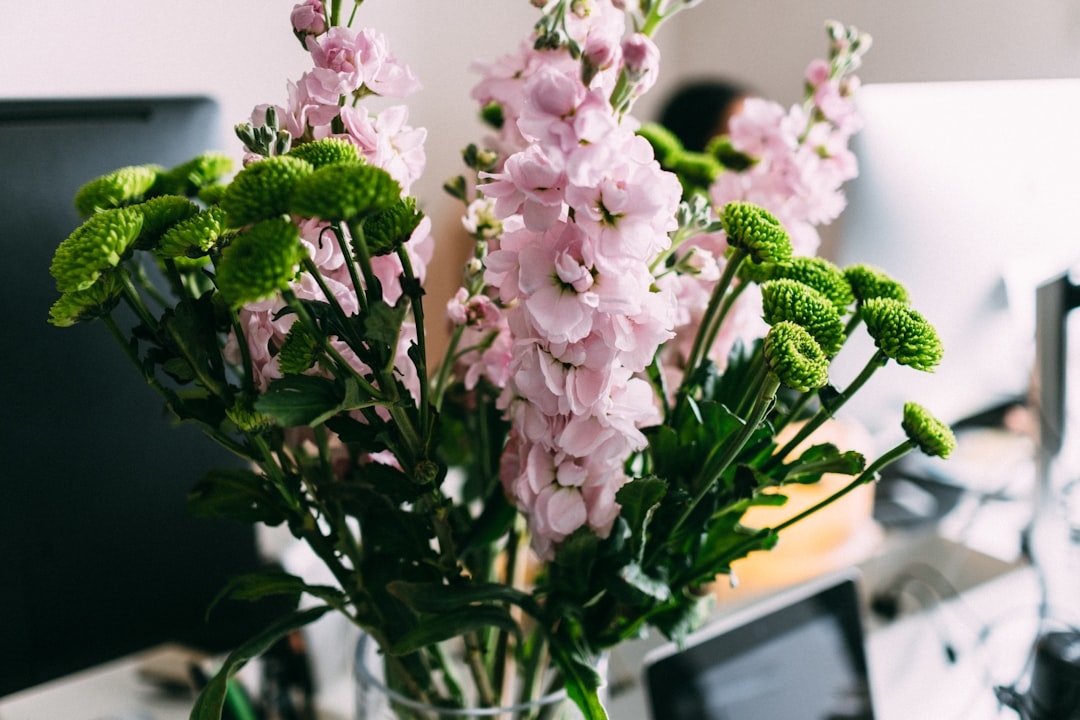
Here’s something worth knowing: approximately 80% of cut flowers sold in the US are imported, primarily from Colombia and Ecuador, according to the USDA. Conventional flower production involves heavy pesticide use and significant air freight emissions. If you’re the type who thinks about sustainability — or if your coworker is — a locally grown seasonal bouquet from a farmers’ market or a US-based farm-direct service like Farmgirl Flowers carries a noticeably lighter footprint. Some coworkers who prioritize eco-conscious choices will specifically seek out these options, which can itself signal thoughtfulness and values alignment. Potted plants like succulents or herbs are another zero-waste alternative that last far longer than cut stems.
How to Respond Gracefully
The best response is warm, proportionate, and doesn’t make the moment bigger than it needs to be. A few concrete approaches:
- Say thank you in person — briefly and sincerely, within the same day.
- Mention what you like about them — “I love sunflowers, these are perfect” feels personal without being over-the-top.
- Display them visibly if the gesture was public — it’s a small acknowledgment that the thought was appreciated.
- Follow up later if you’re still uncertain about intent — a low-key conversation is almost always better than sustained ambiguity.
If at any point you feel uncomfortable — whether due to the nature of the gesture, repeated gifting, or unwanted attention — it’s completely appropriate to speak with HR. Most workplace gift-giving is innocent, but your comfort always takes priority.
FAQ: Coworker Gives Flowers Meaning
What does it mean when a coworker gives you flowers for no obvious reason?
It usually signals genuine appreciation or affection, even without a specific occasion. Pay attention to the flower type, the setting, and whether this is part of a pattern of attention. In most cases, it’s a friendly gesture rather than a romantic overture.
Is it appropriate to give a coworker flowers?
Yes, in most professional environments, giving flowers for birthdays, milestones, or appreciation is entirely appropriate. A modest, cheerful arrangement like a $20–$25 mixed bouquet is a safe and well-received choice in most US workplaces.
What flower types are safe to give a coworker?
Sunflowers, yellow roses, daisies, and mixed wildflower arrangements are universally low-stakes and read as friendly and professional. Avoid a dozen red roses, which carry strong romantic connotations.
How do I know if a coworker giving me flowers has romantic feelings?
Look for additional context: Are the flowers red roses? Was there a private note? Is this part of a broader pattern of personal attention? A single gesture is rarely conclusive — it’s the combination of signals that tells the real story.
Should I thank a coworker for flowers even if I’m unsure of their intent?
Absolutely. A warm, brief thank-you acknowledges the gesture without committing to anything. You can express appreciation without making assumptions about meaning, and it keeps the professional relationship smooth while you figure out next steps.
What to Do Next
Now that you have a clearer picture of what a coworker giving flowers likely means, you’re in a much better position to respond with confidence. The next step is simple: say thank you, enjoy the blooms, and let any further clarity come naturally through normal interaction. If you’re on the giving side and want to send a thoughtful, low-pressure arrangement to a colleague, look for a local florist who sources seasonally — you’ll get fresher flowers, support a small business, and skip the carbon footprint of an imported bouquet. That’s a win for everyone in the office.