Contents:
- Why the Workplace Setting Changes Everything
- The Most Common Flowers Arrive at Work Meanings
- Romantic Interest or a Relationship Milestone
- Professional Recognition or Gratitude
- An Apology or Reconciliation
- Sympathy or Support During Hard Times
- Reading the Flower Choices Like a Language
- Seasonal Timing and What It Reveals
- The Eco-Friendly Angle Worth Knowing
- Practical Tips for Responding Gracefully
- Frequently Asked Questions
- What does it mean when a coworker sends you flowers at work?
- Is it appropriate to send flowers to someone at their workplace?
- What flowers are appropriate for a professional workplace delivery?
- What should I do if I don’t know who sent the flowers?
- How much do workplace flower deliveries typically cost?
Flowers showing up at your workplace is one of those moments that stops the entire office. Heads turn. Keyboards go quiet. Everyone wants to know who sent them — and why. The flowers arrive at work meaning isn’t always obvious, and the answer depends on a lot more than the bouquet itself.
Whether it’s a single red rose or an elaborate arrangement of peonies and eucalyptus, a workplace flower delivery carries social weight that a text message simply doesn’t. Someone made a deliberate choice to send something tangible, public, and perishable to a place where you spend most of your waking hours. That’s intentional. That’s a statement.
Why the Workplace Setting Changes Everything
Sending flowers to someone’s home is intimate. Sending them to work is a declaration. The office is a semi-public stage, and a flower delivery there is seen by colleagues, managers, and sometimes clients. The sender almost certainly knows this. That visibility is part of the message.
Florists report that workplace deliveries spike around three specific windows each year: Valentine’s Day (February), Administrative Professionals Week (late April), and the winter holiday season (mid-November through December). Outside those peaks, a delivery arriving on a random Tuesday carries extra significance — it wasn’t prompted by a Hallmark holiday. Someone thought of you unprompted.
The Most Common Flowers Arrive at Work Meanings
Romantic Interest or a Relationship Milestone
This is the interpretation most people jump to first — and often, they’re right. A partner sending flowers to your desk on your work anniversary, birthday, or after a difficult week is a gesture of affection made visible. It says: I’m proud of you, and I want the world to know it.
Red roses remain the most direct signal of romantic love. A dozen long-stem red roses delivered to your office on Valentine’s Day leaves little room for interpretation. But softer arrangements — blush pinks, whites, soft lavenders — can signal affection without the intensity. Think tulips for new love, or garden roses for something established and warm.
Professional Recognition or Gratitude
Not every bouquet is from a romantic partner. Managers, clients, and even coworkers use flowers to mark professional milestones. A promotion, a successful project launch, a retirement, or simply outstanding work can all prompt a flower delivery. In corporate settings, white lilies, yellow sunflowers, and mixed seasonal arrangements are common choices — they read as celebratory without crossing into personal territory.
According to the Society of American Florists, appreciation and congratulatory arrangements account for roughly 35% of all non-holiday floral purchases in the US. That’s a meaningful slice of the market, and it reflects how deeply flowers are embedded in professional culture.
An Apology or Reconciliation
Sometimes flowers arrive at work because someone knows you’re more likely to accept them there. At home, a door can be closed. At work, the social contract of professionalism softens the moment. A peace offering delivered to your desk — often white flowers like chrysanthemums or orchids — signals remorse and a desire to reconnect. The public nature of the gesture adds sincerity. It takes nerve to send an apology flower arrangement to someone’s office.
Sympathy or Support During Hard Times
A colleague or friend who knows you’re going through a loss, illness, or difficult personal situation may send flowers to your workplace as a gesture of support. In these cases, arrangements tend toward soft, muted tones — cream, soft yellow, pale green — and often include calming blooms like chamomile, freesia, or white roses. If you’ve recently experienced a bereavement and a tasteful arrangement arrives at your desk, this is almost certainly the intent.
Reading the Flower Choices Like a Language
Flowers aren’t random. Most people — consciously or not — gravitate toward blooms that feel appropriate to the emotion they’re expressing. Here’s a quick reference for the most common workplace delivery flowers and what they typically signal:
- Red roses: Romantic love, passion, admiration
- Yellow roses or sunflowers: Friendship, congratulations, warmth
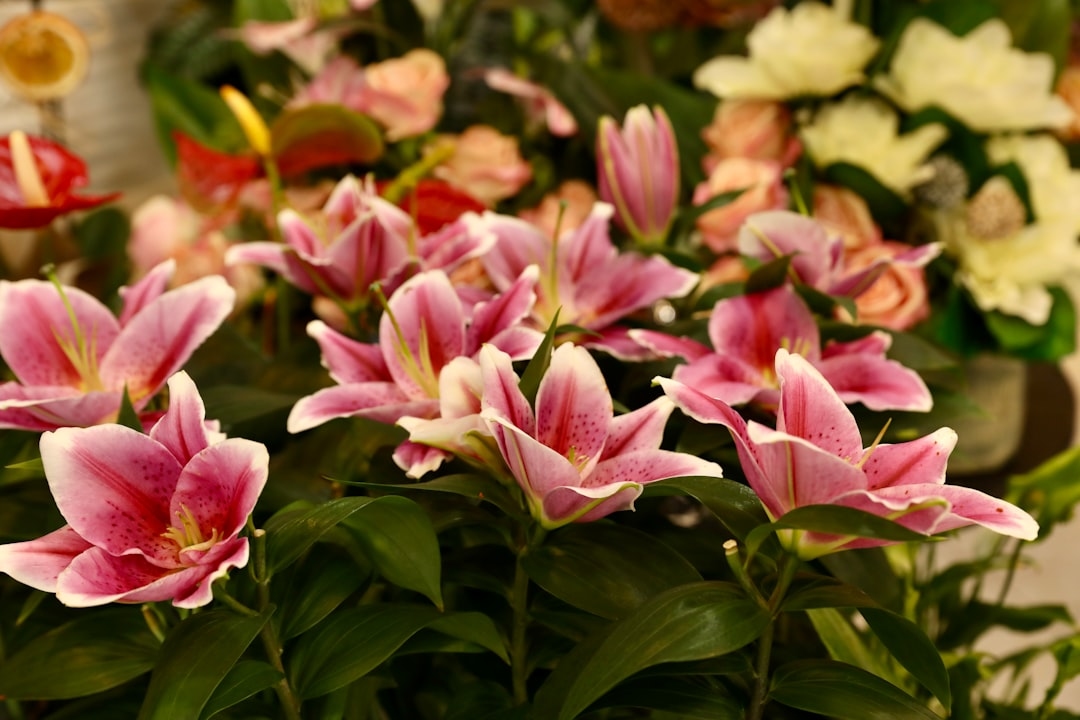
- White lilies or orchids: Respect, sympathy, professional admiration
- Pink peonies or garden roses: Affection, appreciation, soft romance
- Lavender or purple blooms: Enchantment, admiration, something new
- Mixed seasonal bouquet: Celebration, general goodwill, gratitude
Seasonal Timing and What It Reveals
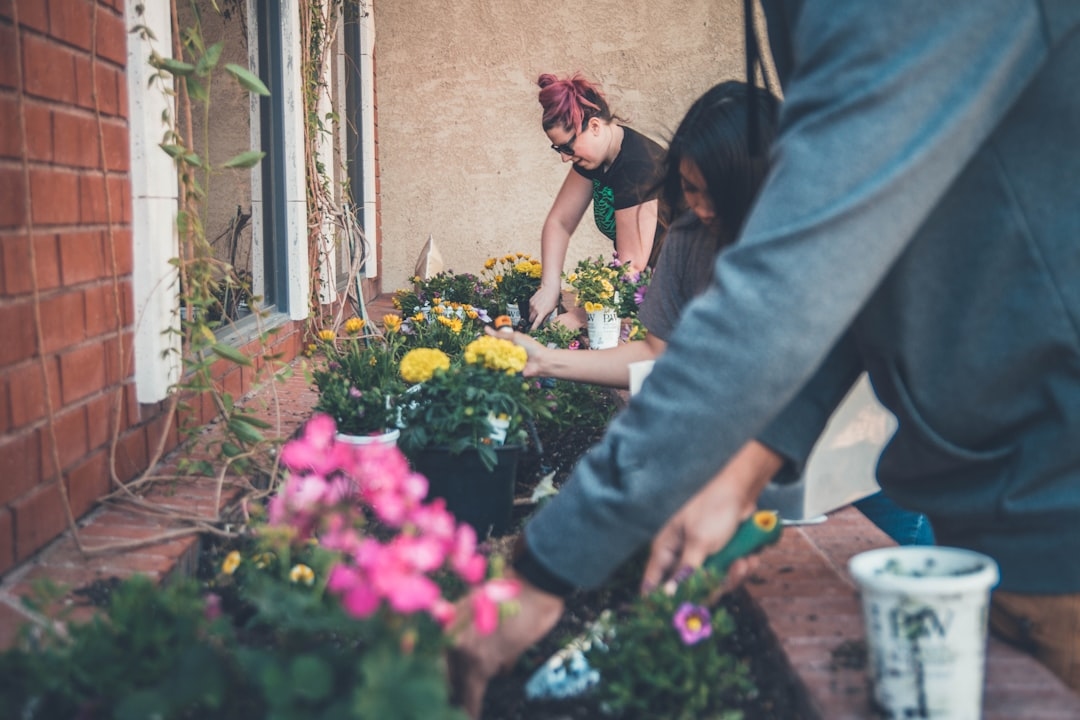
The calendar matters. A delivery in early February reads very differently than one in October. Here’s how the seasonal context shapes interpretation:
- January–February: Heavily Valentine’s-coded. Even a simple arrangement feels romantic during this window.
- March–April: Spring flowers like tulips and daffodils signal renewal, new beginnings, or seasonal congratulations.
- May (Administrative Professionals Week): Professional appreciation is the dominant context. Bosses and managers are common senders.
- June–August: Summer arrangements for birthdays, promotions, or personal milestones. Sunflowers and dahlias peak here.
- September–October: Fall blooms like marigolds or burnt-orange chrysanthemums often mark work anniversaries or autumn celebrations.
- November–December: Holiday gratitude from clients or employers. Poinsettias, amaryllis, and evergreen arrangements are common.
An out-of-season, non-holiday delivery — especially a premium one costing $75 or more — almost always signals something personal and deliberate.
The Eco-Friendly Angle Worth Knowing
If the arrangement arrives in a reusable wooden box, a plantable seed-paper wrapping, or features locally grown seasonal flowers rather than imported hothouse blooms, pay attention. Choosing a sustainable florist — one using US-grown flowers, compostable packaging, or zero-waste design — takes extra effort and cost. It signals that the sender was thoughtful not just about the gesture but about the details. In 2026, sustainable floristry in the US grew by approximately 18% year-over-year, driven largely by millennial and Gen Z buyers. A bouquet with that eco-conscious fingerprint often comes from someone in that demographic who put genuine thought into the purchase.
Practical Tips for Responding Gracefully
- Check the card first, privately. Read the note before reacting visibly. Your colleagues will be watching, and a composed response gives you time to process.
- Thank the sender directly. A phone call or handwritten note carries more weight than a text, especially for significant gestures.
- If you’re uncertain of the intent, a warm but neutral “Thank you so much, these are beautiful” buys time without committing to an interpretation.
- Consider the care of your flowers. Trim stems at a 45-degree angle and change the water every two days. Most cut arrangements last 5–10 days with basic care.
- Share them if appropriate. Placing a large arrangement in a common area (with the sender’s blessing) turns a personal gift into a shared moment — and can diffuse any awkwardness.
Frequently Asked Questions
What does it mean when a coworker sends you flowers at work?
It typically signals gratitude, admiration, or professional appreciation. If the flowers arrive with a personal note or during a non-holiday period, romantic interest or close friendship may also be a factor. Context — your relationship, the occasion, and the flower type — clarifies the intent.
Is it appropriate to send flowers to someone at their workplace?
Yes, in most professional settings. Flowers for birthdays, promotions, retirements, or Administrative Professionals Week are widely accepted. Romantic deliveries to the workplace are more sensitive — they’re public gestures, so they’re best reserved for established relationships where the recipient would welcome the visibility.
What flowers are appropriate for a professional workplace delivery?
White or yellow arrangements — lilies, orchids, sunflowers, and mixed seasonal bouquets — work well in professional contexts. They feel celebratory and warm without suggesting romantic intent. Avoid heavily romantic choices like red roses unless the relationship clearly supports it.
What should I do if I don’t know who sent the flowers?
Check with the delivery service for sender information — most florists include a card or can provide sender details if you inquire. If no card was included, contact the florist directly with the delivery details. Unsigned deliveries to the workplace are uncommon and worth investigating calmly.
How much do workplace flower deliveries typically cost?
In the US, most workplace arrangements range from $45 to $150 depending on size, flower variety, and the florist. A premium or custom arrangement above $100 usually signals a significant occasion or strong personal investment from the sender.
The next time a delivery arrives at your desk, look past the blooms for a moment. Consider the timing, the flower choices, the packaging, and whether someone thought carefully enough to choose a sustainable florist. All of it adds up to a message that was carefully — if not always consciously — composed. And if you’re still not sure what it means? Ask. Sometimes the most direct response is also the most elegant one.