Contents:
- A Brief History of the Zinnia Flower
- Core Zinnia Symbolism: What Each Color Means
- Zinnia Meaning in Friendship and Memory
- A Reader Story: Zinnias at a Grandmother’s Grave
- Using Zinnia Symbolism in Gifts and Occasions
- Quick Cost Breakdown: Gifting Zinnias in the US
- Growing Zinnias to Honor Their Meaning
- FAQ: Zinnia Symbolism
- What does a zinnia flower symbolize?
- What does a yellow zinnia mean?
- Are zinnias appropriate for funerals or memorials?
- What is the spiritual meaning of zinnias?
- Can I give zinnias as a birthday gift?
- Plant Them, Give Them, Remember Why
Zinnias are one of the most cheerful flowers you can grow — but their meaning runs far deeper than their bright petals suggest. Zinnia symbolism spans centuries and cultures, carrying messages of enduring friendship, remembrance, and the courage to keep going even when life gets hard. Whether you’re choosing flowers for a bouquet, planning a memorial garden, or simply curious about what’s blooming in your backyard, understanding what zinnias represent can genuinely change how you see them.
A Brief History of the Zinnia Flower
Zinnias are native to Mexico and Central America, where they grew wild long before European explorers arrived. The Aztecs cultivated them, though more for medicinal use than ornament. By the 18th century, Spanish botanists had brought seeds back to Europe, and the flower was named after Johann Gottfried Zinn, a German botanist who formally documented the plant in 1757.
Early European gardeners weren’t impressed. The first zinnias to reach European soil were scraggly, single-petaled, and considered too plain for formal gardens. It took more than a century of selective breeding — particularly in the United States during the early 1900s — to develop the lush, double-petaled varieties we know today. By the 1920s, zinnias had become one of America’s most popular cut flowers, valued precisely because they bloom from midsummer straight through the first frost.
Core Zinnia Symbolism: What Each Color Means
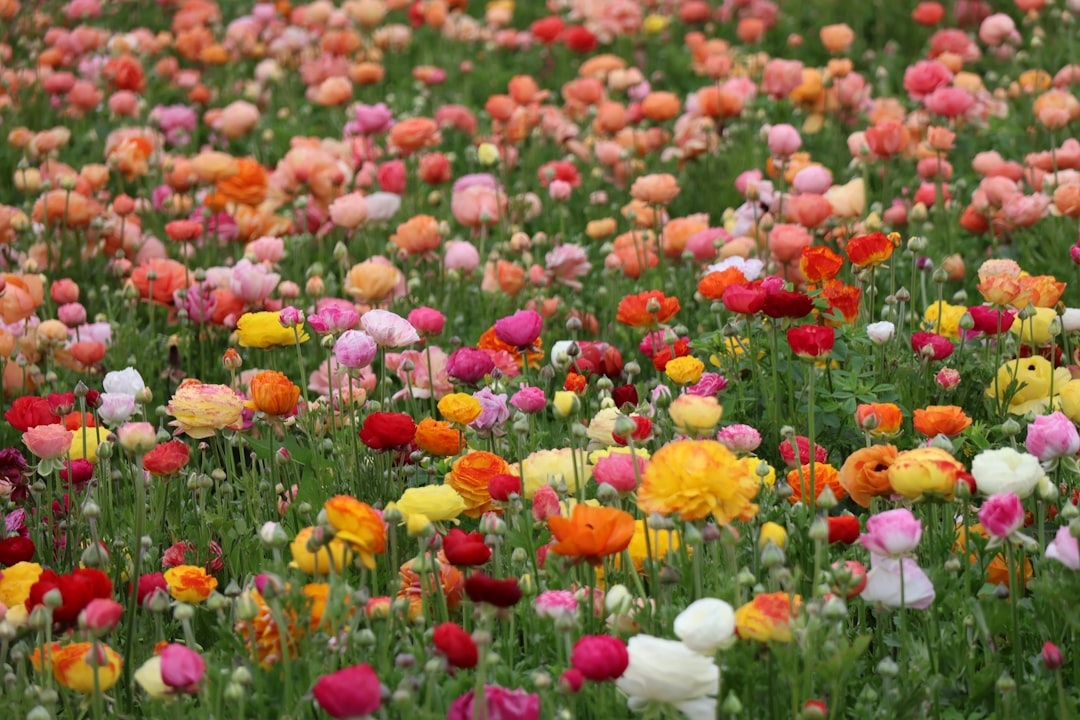
Flower symbolism often breaks down by color, and zinnias are no exception. The meanings below are widely recognized in the US floral tradition and are worth knowing before you send a bouquet.
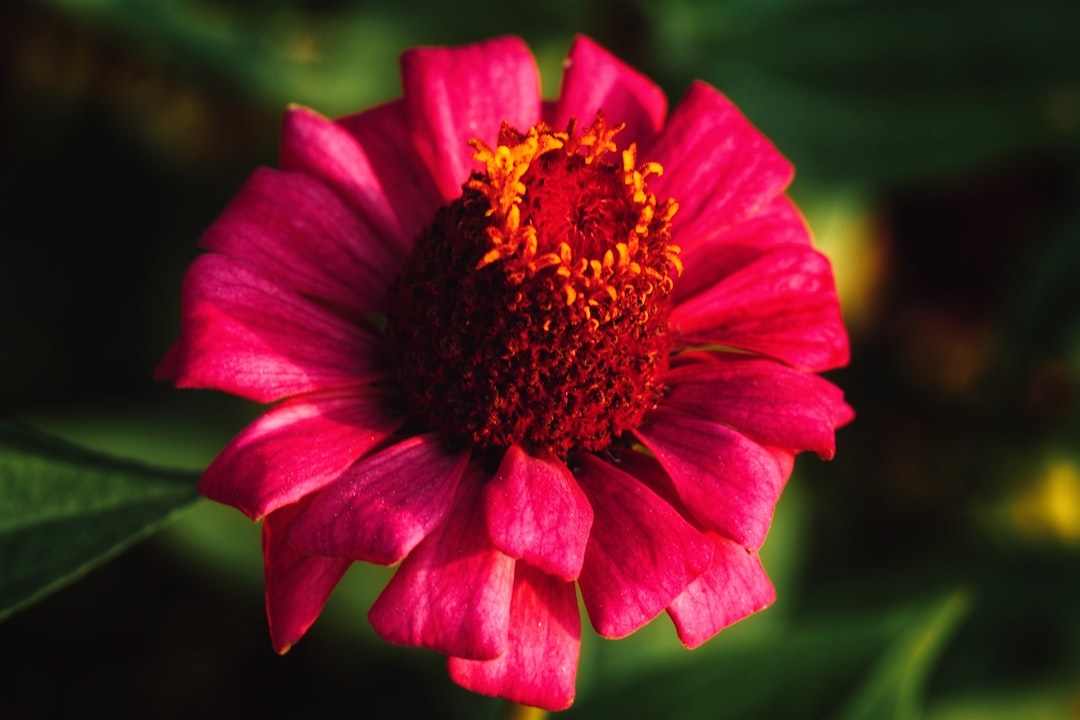
- Red zinnias: Passionate love and deep affection. A bolder, more enduring statement than roses in some traditions.
- Pink zinnias: Lasting friendship and warmth. A popular choice for thank-you arrangements.
- Yellow zinnias: Daily remembrance and thinking of someone far away. Historically associated with those separated by distance.
- White zinnias: Goodness, purity, and spiritual well-being.
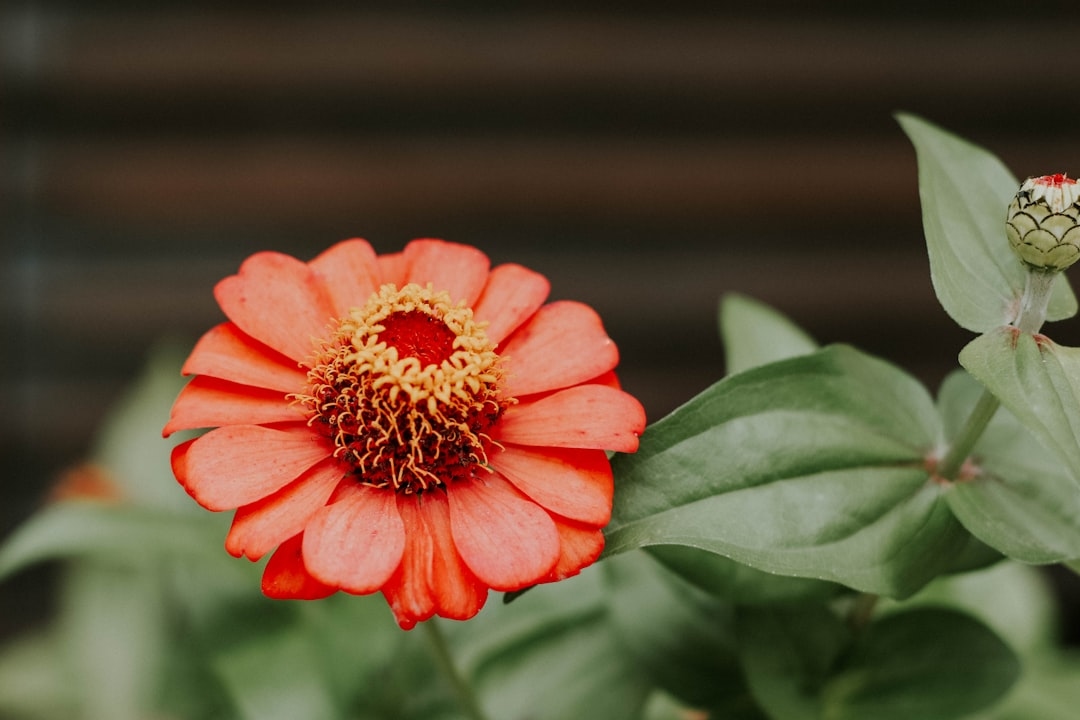
- Orange zinnias: Creativity, enthusiasm, and welcoming energy.
- Purple zinnias: Admiration and dignity — often chosen for sympathy arrangements.
- Mixed bouquets: Thinking of you in all the ways — joy, friendship, and remembrance combined.
One consistent thread across all zinnia colors is the idea of endurance. Because zinnias are famously heat-tolerant and long-blooming — thriving in USDA Hardiness Zones 2 through 11 — they’ve become a natural symbol of perseverance through difficult conditions.
Zinnia Meaning in Friendship and Memory
The Victorian language of flowers, called floriography, assigned zinnias a very specific meaning: thoughts of absent friends. This wasn’t a vague sentiment. It reflected the real grief of an era when people moved westward, emigrated, or went to war — and sending a zinnia bouquet was a way of saying, “I haven’t forgotten you.”
That meaning has carried into modern use. Zinnias appear frequently in memory gardens, particularly those dedicated to loved ones who have passed. NASA grew zinnias aboard the International Space Station in 2016 — the first flowers ever bloomed in space — which added an unexpected new layer to their symbolism: resilience and life in the most unlikely circumstances.
A Reader Story: Zinnias at a Grandmother’s Grave
A reader named Carla from Tennessee shared this: her grandmother grew zinnias every summer along the fence line, “because they don’t quit,” as she put it. When her grandmother passed, Carla planted a zinnia border around the grave marker. “Every August, they just explode in color. It feels like she’s still putting on a show.” That connection — between a practical, no-fuss flower and a no-fuss woman — is exactly what zinnia symbolism captures at its best.
Using Zinnia Symbolism in Gifts and Occasions
Knowing the meaning behind zinnias makes them more versatile than most people realize. Here are specific occasions where they shine:
- Friend’s birthday: A mixed bouquet of pink and orange zinnias says “I celebrate you” without the formality of roses.
- Long-distance relationships: Yellow zinnias are the traditional choice when someone is far away — mail a potted zinnia or include dried blooms in a letter.
- Memorial gardens: Purple and white zinnias planted together create a dignified, low-maintenance tribute that blooms for 10–12 weeks without deadheading.
- Housewarming gifts: A packet of zinnia seeds (typically $2–$5 at US garden centers) is an affordable, meaningful gift that says “may this home have enduring joy.”
- Get-well arrangements: Bright red or orange zinnias carry the message of perseverance — appropriate for someone facing a long recovery.
Quick Cost Breakdown: Gifting Zinnias in the US
- Seed packets: $2–$5 (garden centers, hardware stores)
- Potted zinnia plant: $6–$12 (nurseries, home improvement stores)
- Fresh-cut zinnia bouquet (farmer’s market): $8–$15
- Florist-arranged zinnia bouquet: $35–$75 depending on size and region
- Online delivery (1-800-Flowers, Teleflora, etc.): $45–$90 with delivery
For most meaningful occasions, a fresh farmer’s market bunch or a potted plant carries just as much emotional weight as a florist arrangement — and zinnias hold their blooms for 7–12 days in a vase with fresh water.
🌸 What the Pros Know
Professional floral designers often use zinnias as “filler flowers” — but that undersells them. In high-end arrangements, zinnias provide color saturation that softer flowers like peonies and garden roses can’t match in summer heat. Ask your florist for ‘Benary’s Giant’ zinnias — they produce blooms up to 5 inches across and have a vase life 30–40% longer than standard varieties. They’re also the preferred cultivar for cut-flower farmers at US farmers’ markets.
Growing Zinnias to Honor Their Meaning
There’s something fitting about planting a flower whose symbolism centers on endurance. Zinnias reward minimal effort with maximum return. Direct-sow seeds in full sun after the last frost date in your area — soil temperature should be at least 60°F for reliable germination. In most of the continental US, that means planting from late April (Zone 9–11) to late May (Zones 4–6).
Space plants 6–18 inches apart depending on variety. Pinch the first flower bud to encourage bushier growth — a counterintuitive step that results in 30–50% more blooms over the season. A single plant can produce 20 or more flowers from July through October in most US climates.
FAQ: Zinnia Symbolism
What does a zinnia flower symbolize?
Zinnias symbolize enduring friendship, thoughts of absent loved ones, and perseverance. Different colors carry specific meanings: red for love, yellow for remembrance of those far away, and purple for admiration or sympathy.
What does a yellow zinnia mean?
Yellow zinnias traditionally represent daily remembrance and thinking of someone who is far away. They’re a meaningful choice for long-distance relationships or as a tribute to someone who has passed.
Are zinnias appropriate for funerals or memorials?
Yes. Purple, white, and mixed zinnia arrangements are appropriate for sympathy and memorial occasions. Their symbolism of endurance and remembrance makes them a thoughtful alternative to standard funeral flowers like lilies or chrysanthemums.
What is the spiritual meaning of zinnias?
Spiritually, zinnias are associated with lasting bonds, resilience of the spirit, and the idea that love and memory persist beyond physical distance or even death. White zinnias in particular carry associations with purity and spiritual goodness.
Can I give zinnias as a birthday gift?
Absolutely. Pink and orange zinnias make cheerful, affordable birthday bouquets that communicate warmth and friendship. A mixed bouquet from a local farmer’s market typically costs $8–$15 and lasts up to 12 days in a vase.
Plant Them, Give Them, Remember Why
Zinnia symbolism earns its depth the honest way — through a flower that refuses to quit. From their Aztec origins to a NASA space station, from Victorian mourning letters to summer farmer’s markets, zinnias have consistently shown up in moments that matter. The next time you reach for a bouquet or plan a garden bed, consider what you’re actually saying with your choice. A zinnia isn’t just a bright face in a vase. It’s a statement: I’m thinking of you, and I’m not going anywhere.
Ready to start? Pick up a packet of ‘Benary’s Giant’ or ‘Zahara’ zinnia seeds this spring. Plant them in full sun, step back, and let one of the most symbolically rich flowers in the American garden do what it does best — bloom, persist, and mean something.