Contents:
- The Core White Tulips Meaning: What They Represent
- White Tulip Symbolism Across Cultures and History
- Ottoman Origins
- Victorian Flower Language (Floriography)
- Modern Western Meanings
- When to Give White Tulips: Occasions and Context
- Weddings and Anniversaries
- Sympathy and Funerals
- Apologies and Reconciliation
- Graduations and New Beginnings
- White Tulips vs. Other Colors: A Quick Comparison
- Growing White Tulips at Home (With an Eco-Friendly Twist)
- Caring for Cut White Tulips
- Frequently Asked Questions About White Tulips
- What do white tulips symbolize in a relationship?
- Are white tulips appropriate for funerals?
- What is the white tulips meaning in Christianity?
- Can I give white tulips as a birthday gift?
- How many white tulips should I give?
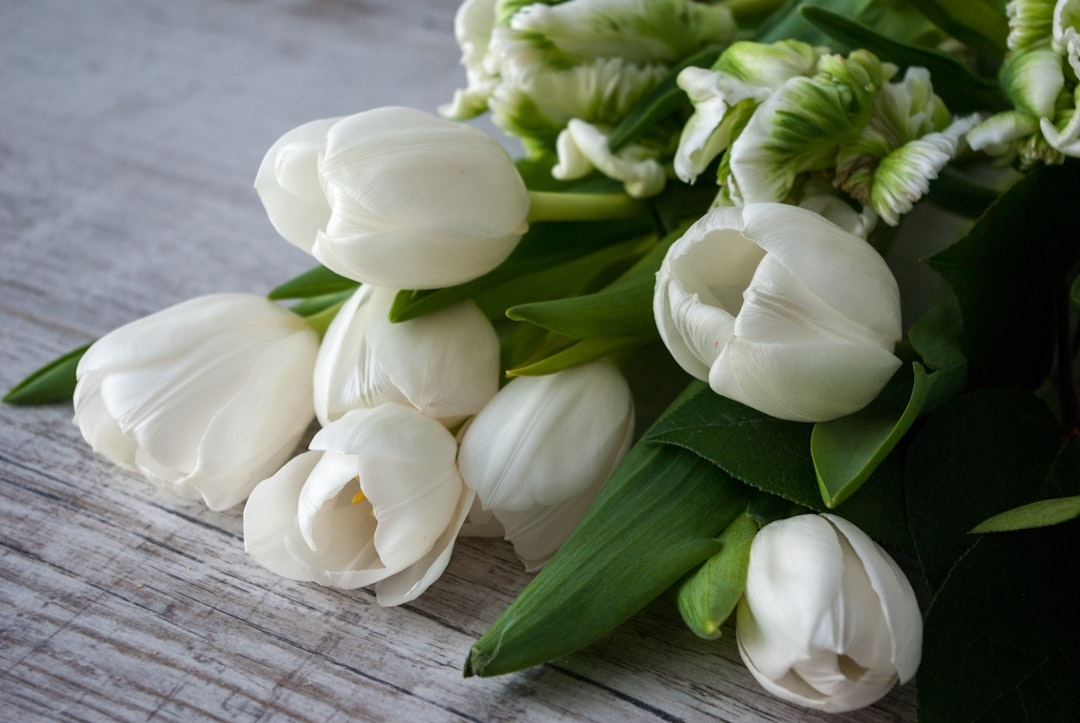
Tulips have been traded, gifted, and obsessed over for centuries — but here’s something most people don’t know: during the Dutch “Tulip Mania” of the 1630s, a single rare tulip bulb could sell for more than ten times a skilled craftsman’s annual salary. White varieties were among the most prized. That legacy of reverence has stuck around, and today the white tulips meaning remains one of the most layered in all of floristry.
Whether you received a bunch and want to decode the sender’s message, or you’re trying to pick the right flower for an emotional moment, you’ve come to the right place. White tulips say something specific. Let’s make sure you say it right.
The Core White Tulips Meaning: What They Represent
White tulips carry four primary symbolic meanings, and they work together beautifully:
- Purity and innocence — The clean, unblemished white bloom has represented moral and spiritual purity across cultures for thousands of years.
- New beginnings — Tulips bloom in early spring, making them a natural symbol of fresh starts, whether that’s a new job, a new baby, or a new chapter.
- Forgiveness and peace — White flowers broadly signal a truce. White tulips in particular carry a gentleness that makes them ideal for apologies or reconciliation.
- Reverence and honor — White tulips are one of the most common flowers at memorial services and funerals in the United States, used to express deep respect for the deceased.
Understanding these four pillars helps you send exactly the right message — no awkward misinterpretations.
White Tulip Symbolism Across Cultures and History
Ottoman Origins
Tulips originated in Central Asia and were cultivated extensively in the Ottoman Empire as early as the 10th century. White tulips specifically appeared in Ottoman poetry as symbols of divine light and spiritual purity. The word “tulip” itself likely derives from the Turkish word for turban — tülbend — reflecting how the flower’s shape was perceived as almost sacred geometry.
Victorian Flower Language (Floriography)
In Victorian England, flowers were used as a coded language. A white tulip sent to someone meant “I declare my worthiness of you” or “forgive me.” This was a socially acceptable way to apologize or express admiration when direct conversation felt too bold. It’s a nuance that still resonates today when someone receives an unexpected white bouquet.
Modern Western Meanings
In contemporary American flower culture, white tulips have settled into three consistent roles: wedding flowers (where they rank among the top 10 most requested blooms according to floral industry surveys), sympathy arrangements, and spring celebration bouquets. They’re versatile without being generic.
When to Give White Tulips: Occasions and Context
Weddings and Anniversaries
White tulips pair naturally with peonies and garden roses in bridal arrangements. They’re particularly popular in minimalist and Scandinavian-inspired wedding aesthetics. A bridal bouquet of 24 white tulips typically costs between $65–$120 at a US florist, making them a more affordable alternative to white roses while carrying equal elegance.
Sympathy and Funerals
When words fail, white tulips speak quietly and with dignity. A sympathy arrangement of white tulips communicates respect and peace without the heavy formality of lilies, which some grieving families find overpowering in scent. If you’re ordering funeral flowers and aren’t sure what to choose, a mixed arrangement anchored by white tulips is almost universally appropriate.
Apologies and Reconciliation
Here’s a reader story that captures this perfectly: A woman named Claire — a regular customer at a garden center — came in looking for something to give her sister after a two-year falling out. She didn’t want red (too romantic) or yellow (too cheerful, given the weight of the moment). She left with two dozen white tulips and a handwritten note. Her sister called within the hour. Sometimes the flower does the emotional heavy lifting.
Graduations and New Beginnings
Spring graduation season aligns almost perfectly with tulip season in the US (typically April through May, depending on your USDA Hardiness Zone). Giving a graduate white tulips honors their achievement while pointing forward — the new beginning symbolism hits at exactly the right moment.
White Tulips vs. Other Colors: A Quick Comparison
- Red tulips: Deep romantic love — the Valentine’s Day choice
- Yellow tulips: Cheerful friendship, sunshine, warmth
- Purple tulips: Royalty, admiration, elegance
- Pink tulips: Affection, caring, happiness
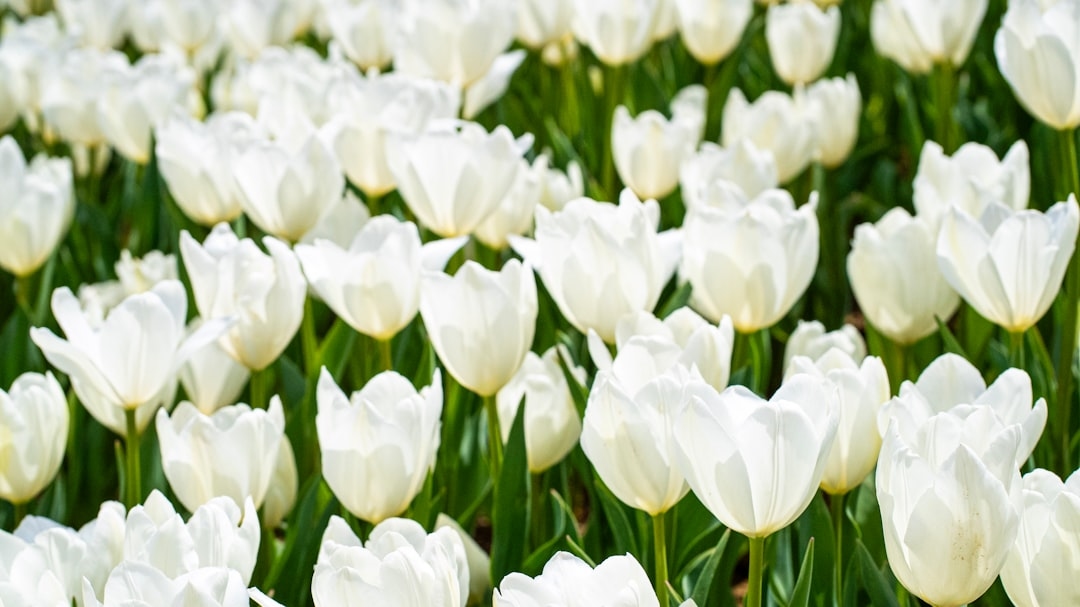
- White tulips: Purity, new beginnings, forgiveness, honor
If you’re ever in doubt about which color to choose, white is the safest and most emotionally versatile pick. It rarely sends the wrong signal.
Growing White Tulips at Home (With an Eco-Friendly Twist)
Growing your own white tulips is easier than most beginners expect, and it’s a genuinely sustainable alternative to buying cut flowers flown in from the Netherlands (which accounts for roughly 80% of US-imported tulips). Plant bulbs in October or November in USDA Zones 3–7, about 6–8 inches deep and 4–6 inches apart. They’ll bloom the following spring with almost no intervention.
For the eco-conscious flower lover, sourcing bulbs from domestic growers — particularly in Washington State and Michigan, which together produce a significant share of US-grown tulips — dramatically reduces your carbon footprint. Local garden centers often carry American-grown bulbs; just ask. A bag of 20 bulbs costs around $12–$18 and will re-bloom for 3–5 years with proper care.
Caring for Cut White Tulips
Cut white tulips last 7–10 days in a vase. Trim stems at a 45-degree angle, change the water every two days, and keep them away from direct sunlight and ripening fruit (ethylene gas from fruit accelerates wilting). One underrated tip: tulips continue to grow after cutting — sometimes up to 2 inches — so leave room in your arrangement for that natural movement.
Frequently Asked Questions About White Tulips
What do white tulips symbolize in a relationship?
White tulips in a romantic context typically symbolize purity of intention, a fresh start, or a sincere apology. They’re not as passionate as red tulips but carry deep sincerity. They work well when you want to express genuine care without overwhelming intensity.
Are white tulips appropriate for funerals?
Yes. White tulips are one of the most appropriate flowers for funerals and sympathy arrangements. They represent honor, peace, and reverence — all fitting sentiments for a memorial. They’re also less overpowering in scent than lilies, which some families prefer.
What is the white tulips meaning in Christianity?
In Christian symbolism, white tulips represent purity, the Holy Spirit, and resurrection — making them a popular choice for Easter arrangements and church celebrations. Their spring bloom timing reinforces themes of renewal and new life.
Can I give white tulips as a birthday gift?
Absolutely. While they’re not the most traditional birthday flower, white tulips make a thoughtful gift — especially if the recipient is entering a new life phase (a milestone birthday, a big move, a career change). Pair them with a personal note explaining the symbolism and the gesture becomes genuinely memorable.
How many white tulips should I give?
In general, a dozen (12) is the standard gift quantity in the US. For sympathy, a simple arrangement of 6–10 is appropriate. For weddings or grand gestures, 24 or more creates a striking visual impact. Avoid giving an even number in some Eastern European cultures, where even numbers of flowers are traditionally reserved for funerals — though in most American contexts, this doesn’t apply.
Now that you know exactly what white tulips mean and when they shine brightest, you’re equipped to give — or receive — them with full understanding. The next time you spot them at a farmers market or garden center this spring, pick up a bunch. A simple gesture with the right flower, at the right moment, can say more than a paragraph ever could.