Contents:
- The Gesture Behind the Gather
- What Picked Wildflowers Actually Communicate
- Romantic vs. Platonic Wildflower Gestures
- The Eco-Friendly Angle You Should Know
- Common Mistakes to Avoid When Receiving This Gesture
- How to Respond and What to Do Next
- FAQ: Picked Wildflowers Meaning and Related Questions
- What does it mean when a guy picks wildflowers for you?
- Is picking wildflowers for someone a romantic gesture?
- What do wildflowers symbolize as a gift?
- Is it okay to pick wildflowers for someone?
- How long do picked wildflowers last in a vase?
- Make the Most of What This Gesture Offers
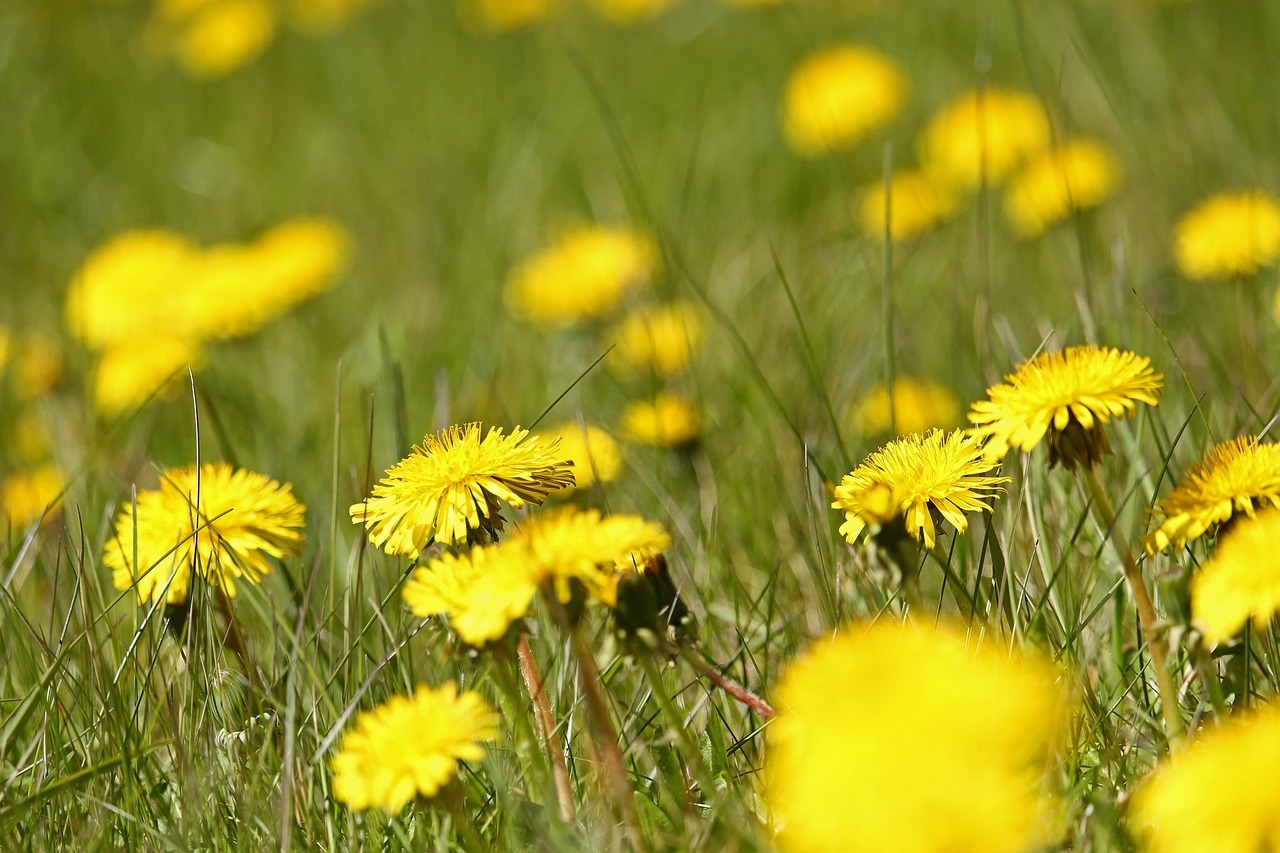
Here’s a misconception worth correcting immediately: the picked wildflowers meaning is not simply “they couldn’t afford a florist.” That interpretation misses the point entirely. Wildflowers gathered by hand carry a depth of intention that a credit card transaction simply cannot replicate — and once you understand what’s actually happening when someone stops on a trail or in a meadow to collect blooms for you, you’ll never look at a mason jar bouquet the same way again.
The Gesture Behind the Gather
Florists spend years learning which flowers communicate what emotions. Red roses for romance. White lilies for sympathy. That shorthand exists because humans have attached meaning to cultivated flowers for centuries. But wildflowers operate on a different register entirely. They aren’t purchased — they’re found. And finding something for someone requires presence, attention, and time.
Think about what has to happen for someone to pick wildflowers for you. They have to be outside, moving through the world, and in the middle of that — they think of you. They pause. They crouch down. They carry those stems, often without water, carefully, so the blooms survive long enough to reach your hands. That’s not a casual act. Research in interpersonal psychology consistently shows that physical effort tied to a gift dramatically increases how meaningful the recipient perceives it to be.
What Picked Wildflowers Actually Communicate
Context shapes meaning here, so it matters who is giving and what your relationship looks like. But across the board, a handful of gathered wildflowers tends to signal at least one of the following:
- Spontaneous affection: They weren’t planning a gesture — they just felt one. That impulsiveness is its own kind of honesty.
- Deep observation: Picking wildflowers well requires knowing what you’re looking at. Someone who notices a cluster of black-eyed Susans and thinks of you has been paying attention to the world — and to you.
- Emotional vulnerability: A store-bought bouquet comes wrapped and labeled. Wildflowers arrive as-is, with dirt on the stems and sometimes a bug or two. There’s no polish. That’s courage.
- A slow kind of love: Whether romantic or platonic, this gesture belongs to relationships where the other person genuinely enjoys your company in unhurried moments.
Romantic vs. Platonic Wildflower Gestures
Romantically, wildflowers are one of the oldest courtship signals in human history — folk traditions across Scandinavia, Eastern Europe, and Appalachia all document the practice of offering gathered blooms as a declaration of interest. Platonically, they say something equally powerful: I saw beauty and I thought of you. A child picking dandelions for a parent, a friend gathering lavender on a hike — these gestures cross every age and relationship type.
The Eco-Friendly Angle You Should Know
Wildflower bouquets carry a genuinely lighter environmental footprint than conventional cut flowers. The US floral industry imports roughly 80% of its cut flowers, primarily from Colombia and Ecuador, generating significant carbon emissions in cold-chain transport. A handful of locally gathered blooms produces none of that. That said, ethical wildflower picking matters. In most US states, picking wildflowers on public land — including national parks — is prohibited or restricted. On private land with permission, or in your own garden growing native species like coneflowers (Echinacea purpurea), bee balm, or wild bergamot, harvesting a few stems causes no ecological harm and supports the idea of meaningful, low-impact gifting.
If the person who picked flowers for you did so responsibly, that’s worth appreciating as its own layer of thoughtfulness.
Common Mistakes to Avoid When Receiving This Gesture
How you receive a wildflower bouquet matters as much as the gesture itself. Avoid these missteps:
- Dismissing it as “just weeds.” Plants like Queen Anne’s lace, chicory, and clover are botanically wildflowers with genuine beauty and long histories in folk medicine and symbolism.
- Comparing it to store-bought flowers. That comparison is categorically unfair and misreads what the gift is actually offering.
- Letting them die without acknowledgment. Put them in water within 30 minutes of receiving them. Trim the stems at a 45-degree angle, about half an inch up, to extend vase life by 2–3 days.
- Overthinking the symbolism. Not every wildflower bouquet is a marriage proposal. Sometimes it’s just someone who wanted to make you smile on a Tuesday.
How to Respond and What to Do Next
Acknowledge the effort specifically. “Thank you, these are beautiful” lands softer than “thank you for thinking of me while you were outside” — the second version shows you understand what the gesture actually cost them in time and attention. Display the flowers somewhere visible. Wildflowers in a small ceramic vase or even a jam jar on a kitchen windowsill look intentional and lovely — you don’t need a crystal vase to honor them properly.
If the relationship is new and you’re trying to read what this gesture means about their feelings, pay attention to the variety they chose. Someone who picks a thoughtful mix — say, goldenrod for encouragement, wild violet for faithfulness, and yarrow for healing — may have more botanical awareness than average, which suggests deeper intention. Someone who grabbed a fistful of whatever was blooming nearby? That’s pure impulse. Both are sincere. They just read differently.
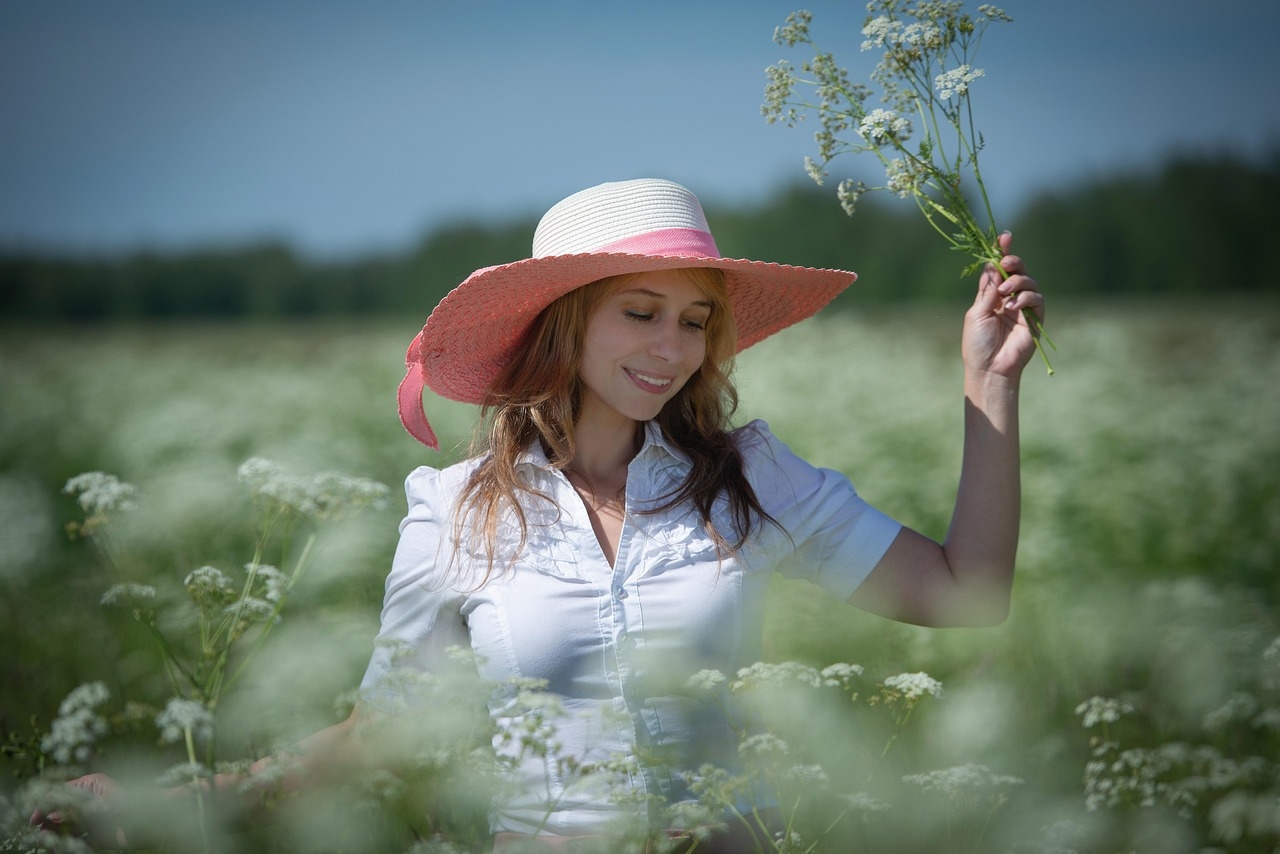
Consider pressing a few of the stems between book pages if you want to keep them. Wildflowers pressed at home retain their color well for 2–4 weeks and can be framed, used in journaling, or kept as a small archive of a moment that mattered.
FAQ: Picked Wildflowers Meaning and Related Questions
What does it mean when a guy picks wildflowers for you?
It typically signals genuine affection and spontaneous thinking of you. Unlike a planned gift, picked wildflowers indicate he paused his day specifically to do something for you — which in romantic contexts often reflects early-stage emotional investment or a natural, unpretentious approach to showing care.
Is picking wildflowers for someone a romantic gesture?
Yes, historically and practically. But it’s also a valid platonic gesture. The romantic weight depends on context: tone, relationship history, and how the flowers are presented. A single stem handed quietly on a walk reads differently than a full gathered bunch left on your doorstep.
What do wildflowers symbolize as a gift?
Wildflowers generally symbolize freedom, natural beauty, and authenticity. As a gift, they communicate that the giver values unpolished sincerity over formal gestures. Common gifted wildflowers like black-eyed Susans symbolize encouragement; wild daisies suggest innocence and loyalty; chicory represents perseverance.
Is it okay to pick wildflowers for someone?
On private land with permission, or in a home garden growing native species, yes. Picking wildflowers in national parks, state parks, or protected areas is generally illegal in the US and can carry fines. Always verify local regulations before harvesting.
How long do picked wildflowers last in a vase?
Most wild-gathered stems last 3–5 days in a vase with fresh water. Trim stems at a 45-degree angle, change the water every 48 hours, and keep them away from direct sunlight and heat sources to maximize their lifespan.
Make the Most of What This Gesture Offers
The next time someone arrives with a small, imperfect bunch of stems they gathered themselves, resist the reflex to measure it against a florist’s arrangement. Measure it against the alternative: they could have brought nothing. They could have walked past those blooms without a second thought. Instead, they stopped — and they thought of you. That’s the whole story, told in petals and stems. Lean into it. Respond with equal sincerity, put those flowers somewhere they’ll be seen, and if the relationship is one worth cultivating, consider returning the gesture someday. Go outside. Pay attention. Bring something back.