Contents:
- Why Neighbors Leave Flowers: The Core Motivations
- Gratitude and Goodwill
- Sympathy and Support
- Celebration
- Apology
- Romantic Interest
- What the Type of Flower Tells You
- The Eco-Friendly Angle Worth Knowing
- A Reader Story That Puts It in Perspective
- How to Respond When Flowers Appear at Your Door
- Understanding Neighbor Flowers Door Meaning Across Cultures
- FAQ: Neighbor Flowers at the Door
- What does it mean when a neighbor leaves flowers at your door with no note?
- Is it romantic if a neighbor leaves red roses at my door?
- Should I say something to my neighbor after receiving flowers?
- What flowers are most commonly left as a sympathy gesture by neighbors?
- Can leaving flowers at a neighbor’s door be considered inappropriate?
- What to Do With This New Understanding
A small bouquet sitting on your doorstep can stop you in your tracks. No note, no explanation — just flowers, left there by the person who lives next door. That single gesture carries more weight than most people realize, and figuring out what it means is more nuanced than a quick Google search might suggest.
The neighbor flowers door meaning depends on context, culture, flower type, and the relationship you already have — or don’t have — with the person who left them. But there are clear patterns, and once you know them, you’ll never look at a doorstep bouquet the same way again.
Why Neighbors Leave Flowers: The Core Motivations
People have been exchanging flowers as social signals for thousands of years. The Victorian-era practice of “floriography” — assigning specific meanings to specific blooms — was so popular that dedicated flower dictionaries sold tens of thousands of copies in 19th-century England and America. That tradition never fully died. It just became less formal.
Today, when a neighbor leaves flowers at your door, the gesture almost always falls into one of five categories: gratitude, sympathy, celebration, apology, or romantic interest. Each carries a distinct emotional tone, and the context around the delivery usually tells you which one applies.
Gratitude and Goodwill
This is the most common reason by far. You helped them carry groceries. You watched their cat for a week. You simply smiled and waved every morning when no one else did. A small bunch of sunflowers or grocery-store tulips left quietly at your door is their way of saying thank you without making it awkward. Studies on prosocial behavior consistently show that people prefer giving tangible gifts over verbal thanks because physical objects feel more proportional to the favor received.
Sympathy and Support
If you’ve recently experienced a loss — a death in the family, a divorce, a serious illness — flowers at the door are a neighbor’s way of acknowledging your pain without intruding. White lilies, soft-pink roses, and chrysanthemums are the most common choices in sympathy contexts. In many American communities, leaving food or flowers is the standard response when someone on the block is going through something hard.
Celebration
A new baby, a graduation, a promotion they overheard you mention — neighbors use flowers to mark your milestones even when they’re not close enough to be invited to the party. Bright, mixed bouquets with gerbera daisies or stargazer lilies are common here. The message is simple: I see your good news, and I’m happy for you.
Apology
Neighbors occasionally leave flowers to smooth over a conflict — a dog that barked all night, a parking dispute, a tree branch that fell on your fence. Yellow roses and mixed pastels show up most often in this context. The absence of a note can itself be a signal: they want to make peace but aren’t quite ready for a face-to-face conversation.
Romantic Interest
Less common, but it happens. Red roses left without a note from a single neighbor next door carry a fairly unambiguous message in most cultural contexts. If the flowers are accompanied by anonymity and a slightly awkward interaction the next time you see them, romantic intent becomes more likely. Trust your instincts here.
What the Type of Flower Tells You
The species and color of the flowers aren’t accidental. Most people choose blooms that “feel right” for the emotion they’re trying to express, even if they couldn’t explain the symbolism consciously. Here’s a practical breakdown:
- Red roses: Love, romantic interest, deep admiration
- Yellow roses or sunflowers: Friendship, gratitude, cheerfulness
- White lilies or white roses: Sympathy, purity, remembrance
- Lavender or purple flowers: Admiration, respect, enchantment
- Mixed wildflowers: Casual warmth, informal appreciation, free-spirited goodwill
- Potted plants (especially herbs or succulents): Long-term goodwill — these are meant to last
A potted plant, in particular, signals something different from cut flowers. It’s a gift designed to grow and persist, which often indicates a neighbor who wants to build a longer relationship with you, not just mark a single moment.
The Eco-Friendly Angle Worth Knowing
Here’s something most people overlook: the environmental footprint of a flower bouquet. About 80% of cut flowers sold in the United States are imported, primarily from Colombia and Ecuador, and the cold-chain logistics involved produce a significant carbon footprint. A neighbor who leaves you flowers grown from their own garden — especially native wildflowers or heirloom varieties — is giving you something that carries a completely different kind of intention. It’s more personal, more local, and far more sustainable.
If your neighbor tends a garden and those flowers clearly came from it (look for slightly irregular stems, soil on the roots, or hand-tied twine instead of cellophane wrap), that’s a meaningful distinction. They didn’t just stop at a grocery store. They grew something, cut it themselves, and chose to give it to you. That level of intentionality almost always signals genuine affection or deep appreciation.
Next time you receive or give flowers as a gesture, consider sourcing from local farmers markets or growing your own. Even a small pot of marigolds grown from seed and left on a neighbor’s doorstep communicates warmth in a way a $12 supermarket bouquet simply can’t match.
A Reader Story That Puts It in Perspective
A woman in her late 60s — call her Margaret — moved to a new neighborhood in suburban Ohio after her husband passed away. For the first three months, she barely spoke to anyone. One morning she found a small bunch of lavender and white daisies on her doorstep with no note. She assumed they were left by mistake.
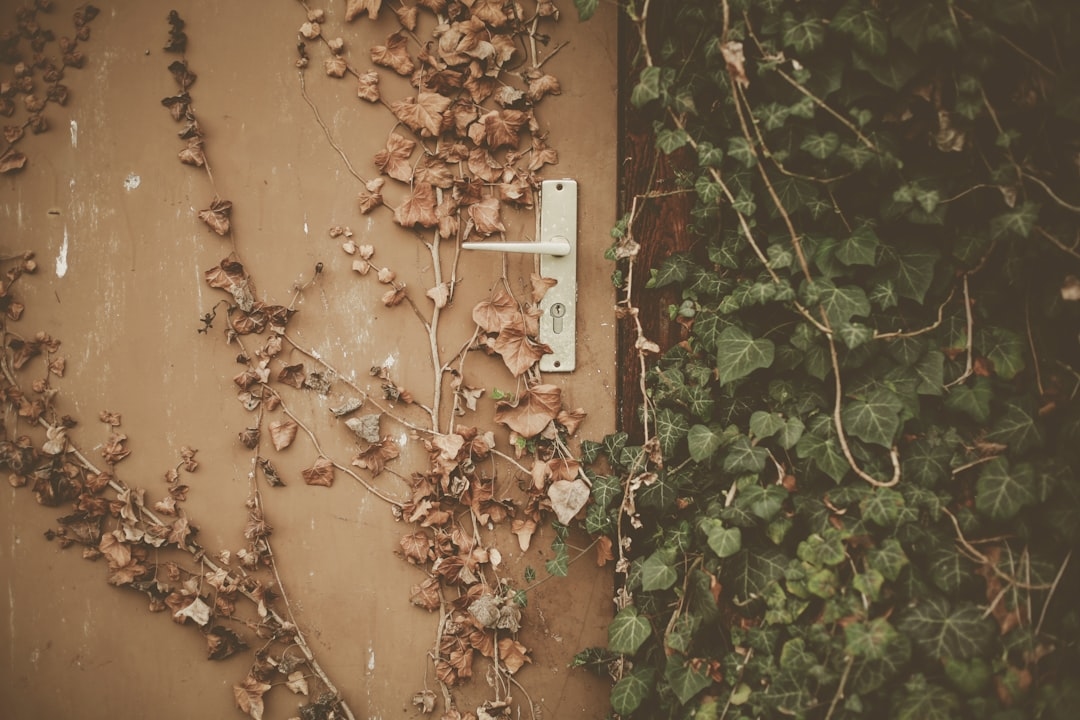
A week later, the same neighbor — a woman in her 40s from two houses down — knocked and introduced herself. She explained that she’d noticed Margaret’s porch light staying on all night, something she recognized from when her own mother had been grieving. The flowers were her way of saying: I see you, and you’re not invisible here.
No note was necessary. The flowers said everything. That’s the power of this kind of gesture — and why decoding the meaning matters less, sometimes, than simply receiving it openly.
How to Respond When Flowers Appear at Your Door
You don’t need to overthink it, but a response of some kind is almost always appreciated. Here’s a practical approach depending on the situation:
- If you suspect gratitude: A short verbal acknowledgment the next time you see them is enough. Something like “I loved the flowers, thank you” closes the loop warmly.
- If you suspect sympathy: A wave and a genuine smile the next time you cross paths is sufficient. You don’t need to explain your grief to validate their kindness.
- If you’re unsure: A simple knock and “did you happen to leave something at my door?” opens the door without pressure.
- If the gesture feels unwanted (especially in a romantic context): A polite, direct conversation is far kinder than ignoring it. “I appreciate the thought, but I want to make sure we keep things neighborly” is clear and respectful.
One specific tip: respond within 48 hours if possible. Gestures like these carry an emotional half-life. The longer you wait, the more the meaning fades — for both of you.
Understanding Neighbor Flowers Door Meaning Across Cultures
Cultural background shapes flower meanings significantly. In many East Asian traditions, white flowers are associated exclusively with mourning and should never be given as a celebration gift. In Russian and Eastern European cultures, even numbers of flowers (like a dozen roses) are reserved for funerals — odd numbers are for the living. In Mexican-American communities, marigolds carry deep spiritual significance tied to Día de los Muertos.
If your neighbor comes from a different cultural background than yours, the flower type and arrangement may carry meaning specific to their tradition. When in doubt, ask — most people are genuinely happy to explain the symbolism behind a gift they’ve given intentionally.
FAQ: Neighbor Flowers at the Door
What does it mean when a neighbor leaves flowers at your door with no note?
A no-note bouquet typically signals one of four things: gratitude, sympathy, celebration, or an apology. The absence of a note often means the giver felt the gesture spoke for itself, or they were too shy to put their feelings into words. Context — your recent interactions, any events in your life — usually clarifies the intent.
Is it romantic if a neighbor leaves red roses at my door?
Red roses are one of the most universally recognized symbols of romantic interest in American culture. If a neighbor leaves them without explanation, and especially if they seem nervous around you afterward, romantic intent is likely. That said, red roses are sometimes given as a strong expression of admiration without romantic expectation — cultural background and the existing relationship both matter.
Should I say something to my neighbor after receiving flowers?
Yes, a brief acknowledgment is almost always the right move. A simple “thank you for the flowers” the next time you see them is sufficient. If you’re unsure who left them, a friendly inquiry is completely appropriate and rarely awkward.
What flowers are most commonly left as a sympathy gesture by neighbors?
White lilies, white roses, chrysanthemums, and soft-pink carnations are the most common sympathy flowers in the US. Lavender is also frequently used for its calming association. These are typically left in subdued, monochromatic arrangements rather than bright mixed bouquets.
Can leaving flowers at a neighbor’s door be considered inappropriate?
In most cases, no. Flowers are a broadly accepted social gesture across American culture. However, if the recipient has previously expressed discomfort, or if the gesture is clearly romantic and unwelcome, it can cross into inappropriate territory. One bouquet is a gesture; repeated deliveries without acknowledgment or reciprocity can become a boundary issue.
What to Do With This New Understanding
The next time you find flowers at your door — or feel the impulse to leave some at someone else’s — pay attention to the details. The species, the color, whether they came from a garden or a store, whether there’s a note. These aren’t trivial details. They’re a language.
And if you want to use that language yourself, start small. A handful of homegrown herbs tied with kitchen twine. A few stems of whatever’s blooming in your yard. Left quietly, without expectation. The neighbor flowers door meaning you create for someone else might be exactly the signal they needed to feel seen — and that’s worth more than any grand gesture you could plan.