Contents:
- Cut Flowers vs. Potted Plants: A Quick Symbolic History
- What the Potted Plant vs Cut Flowers Meaning Says About the Sender
- They’re Thinking Long-Term
- They Know You Well (Or Want To)
- They’re Being Practical in the Best Possible Way
- Regional Differences in How Americans Interpret Plant Gifts
- A Reader Story: The Plant That Said Everything
- Practical Tips for Receiving (and Appreciating) a Potted Plant Gift
- When a Plant Means Something Specific: Occasion Breakdown
- Sympathy or Bereavement
- New Home or Housewarming
- Get Well Soon
- Romantic Gestures
- FAQ: Potted Plant vs Cut Flowers Meaning
- Is a potted plant a cheaper gift than flowers?
- Does receiving a plant instead of flowers mean the person doesn’t care as much?
- What does it mean when someone sends a plant for a birthday?
- Is a potted plant appropriate for sympathy?
- What’s the most common potted plant sent as a gift in the US?
- The Bottom Line on Potted Plant vs Cut Flowers Meaning
A potted plant is not a consolation prize. It’s actually a more deliberate, considered gift than a bouquet — and once you understand the symbolism behind it, you’ll never look at a leafy green delivery the same way again. The potted plant vs cut flowers meaning comes down to one core idea: permanence versus moment. And that distinction tells you a lot about what the sender was thinking.
Cut Flowers vs. Potted Plants: A Quick Symbolic History
Floriography — the Victorian practice of communicating through flowers — dominated gift-giving culture for centuries. Roses meant love, lilies meant purity, and a fresh bouquet was the standard romantic gesture. But cut flowers, beautiful as they are, have a built-in expiration date. Most grocery store bouquets last 5 to 7 days. Even premium florist arrangements rarely survive past two weeks.
Potted plants entered mainstream gifting culture more gradually. In many Asian and Eastern European traditions, a living plant symbolizes ongoing vitality and long-term goodwill — not just a fleeting moment of affection. Sending something rooted, something that grows, carries weight that a wrapped bouquet simply can’t replicate.
What the Potted Plant vs Cut Flowers Meaning Says About the Sender
The choice between a plant and flowers is rarely random. Here’s what different scenarios usually signal:
They’re Thinking Long-Term
Cut flowers say “I’m thinking of you today.” A potted plant says “I want to still be thinking of you six months from now.” Whether it’s a peace lily after a loss, a succulent for a new apartment, or a blooming orchid for a birthday, a living plant implies the sender wants the gesture — and the relationship — to last.
They Know You Well (Or Want To)
Choosing the right plant takes more thought than grabbing a bouquet. Someone who sends a low-maintenance snake plant to a busy professional, or a cheerful pothos to a first-time plant parent, has paid attention to your lifestyle. That’s not accidental. A 6-inch potted plant from a quality nursery typically runs $18–$35, roughly the same as a mid-range bouquet — but the research behind it is different.
They’re Being Practical in the Best Possible Way
Some people simply know that flowers die and plants don’t have to. This is especially common among budget-conscious givers who want maximum impact per dollar. A $25 pothos will still be alive — and probably much bigger — a year from now. That same $25 bouquet will be in the compost bin by next Thursday.
Nursery staff will tell you that foliage plants — think pothos, philodendrons, and ZZ plants — outsell cut flowers as sympathy gifts by a growing margin. Why? They don’t require refrigeration, ship better, and the recipient doesn’t feel the pressure to display them immediately. A plant gives the receiver time and flexibility. That’s a form of emotional intelligence built right into the gift.
Regional Differences in How Americans Interpret Plant Gifts
Geography shapes gift culture more than most people realize. In the Northeast, potted plants — particularly flowering ones like anthuriums and peace lilies — are deeply embedded in sympathy and condolence traditions. Walk into any Boston or New York funeral home and you’ll see more ferns and orchids than rose bouquets.
In the South, where hospitality is an art form, a potted plant delivered to a new neighbor or new mother carries a strong “welcome, stay a while” connotation. It’s a warm gesture tied to the idea of putting down roots — literally and figuratively.
On the West Coast, particularly in California and the Pacific Northwest, sustainability plays a big role. Gifting a native plant or an herb garden instead of cut flowers signals environmental awareness. It’s a love language for the eco-conscious set, and it’s growing fast among younger givers in cities like Portland, Seattle, and San Francisco.
A Reader Story: The Plant That Said Everything
A reader named Margot from Columbus, Ohio shared this: after her divorce was finalized, her closest friend didn’t send flowers. She sent a 4-inch monstera cutting in a terracotta pot with a note that said, “This one’s going to grow into something beautiful. So are you.” Margot kept that plant. Three years later, it’s over four feet tall. “Every new leaf feels like a reminder,” she said. “Flowers would have died. This didn’t.”
That story captures something cut flowers structurally cannot: continuity. The plant became a marker of a chapter, a witness to recovery. No bouquet, however gorgeous, can do that.
Practical Tips for Receiving (and Appreciating) a Potted Plant Gift
If someone just sent you a plant and you’re not sure what to do with it, here’s how to start on the right foot:
- Check the light needs first. Most common gift plants (pothos, peace lilies, snake plants) thrive in indirect light. A north- or east-facing windowsill works well for beginners.
- Don’t overwater. More houseplants die from overwatering than neglect. Stick your finger 1 inch into the soil — if it’s still moist, wait another 2–3 days before watering.
- Repot after 2–4 weeks. Gift plants are often slightly root-bound from nursery containers. Moving up one pot size (about 2 inches larger in diameter) gives them room to grow.
- Budget-friendly care tip: A $6 bag of well-draining potting mix from any hardware store works just as well as specialty blends for most common gift plants.
When a Plant Means Something Specific: Occasion Breakdown
Sympathy or Bereavement
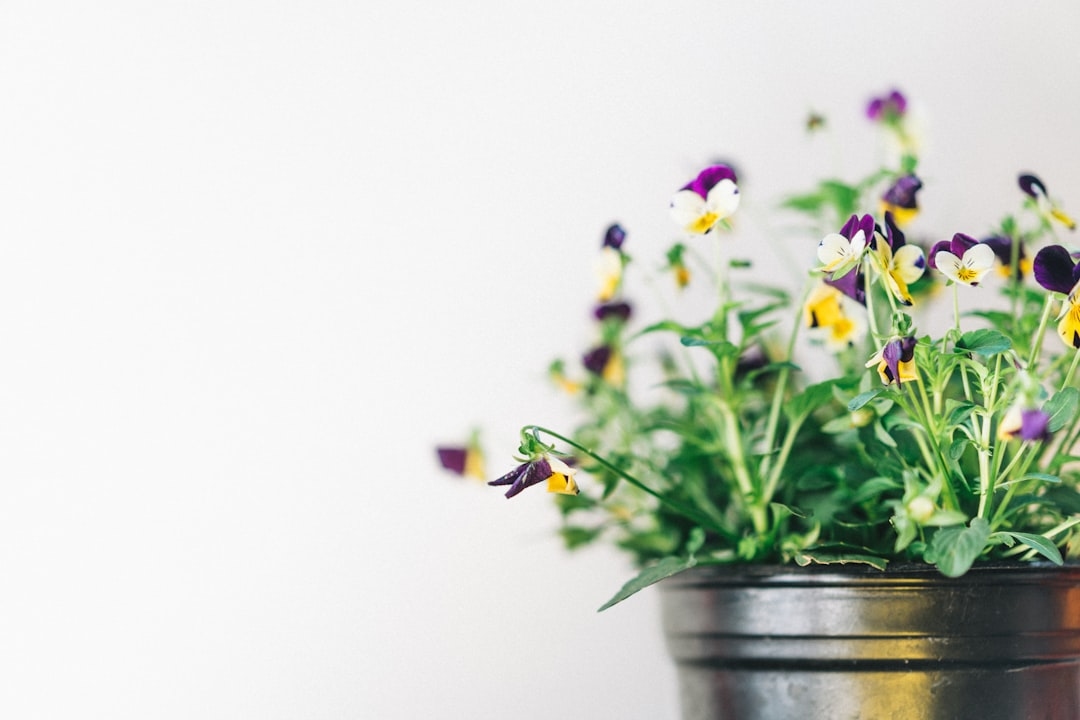
A plant sent after a death is one of the most common — and most meaningful — plant gifts. It says: life continues. Peace lilies are the classic choice, but low-maintenance succulents have surged in popularity for grieving households that may not have the bandwidth for plant care.
New Home or Housewarming
A potted plant for a new home symbolizes growth, fresh starts, and the hope that the space becomes a true home. Trailing plants like pothos or heartleaf philodendrons are popular picks because they fill a space quickly and forgive beginner mistakes.
Get Well Soon
Hospitals have varying policies on cut flowers (some ICUs ban them entirely due to infection concerns), but potted plants are often welcome. A small succulent or an easy orchid respects those restrictions while still delivering warmth.
Romantic Gestures
A romantic partner who sends a plant is signaling something deeper than a bouquet-giver: they’re thinking about your shared future. It’s a subtle “I see us lasting longer than a week” message. Pay attention to that.
FAQ: Potted Plant vs Cut Flowers Meaning
Is a potted plant a cheaper gift than flowers?
Not necessarily. A quality potted orchid or fiddle-leaf fig can run $40–$80, comparable to premium cut flower arrangements. However, entry-level potted plants like succulents or 4-inch pothos typically start around $8–$15, making them excellent value for budget-conscious givers.
Does receiving a plant instead of flowers mean the person doesn’t care as much?
The opposite is usually true. Choosing a plant requires more thought about the recipient’s lifestyle, home environment, and care capacity. It’s a more personalized gift in most cases.
What does it mean when someone sends a plant for a birthday?
A birthday plant often symbolizes growth and new beginnings — particularly for milestone birthdays. It’s a wish for the year ahead to be full of development, resilience, and thriving.
Is a potted plant appropriate for sympathy?
Yes, and increasingly preferred. Living plants offer lasting comfort and don’t require the immediate attention that wilting flowers demand. Peace lilies, ZZ plants, and succulents are all appropriate sympathy gifts.
What’s the most common potted plant sent as a gift in the US?
Orchids (particularly Phalaenopsis) are the bestselling potted gift plant in the US, followed by peace lilies, succulents, and pothos. Orchids account for over $290 million in annual US retail sales, making them a firmly mainstream gift choice.
The Bottom Line on Potted Plant vs Cut Flowers Meaning
Someone chose to send you something alive, something that requires care, and something that could still be with you years from now. That’s not a casual decision. Understanding the potted plant vs cut flowers meaning reframes the gift entirely — from “why didn’t they just send roses?” to “they actually put thought into this.”
The next time a plant shows up at your door, find it a good window. Water it thoughtfully. Let it grow. It’s doing exactly what the sender hoped you would do too.