Contents:
- The Long History Behind Giving Flowers to Strangers
- Stranger Gives Flower Meaning: The Most Common Interpretations
- A Gesture of Random Kindness
- Romantic or Flirtatious Intent
- Spiritual or Religious Significance
- Promotional or Commercial Intent
- Cultural Celebration
- What the Specific Flower Tells You
- A Reader’s Experience That Puts It in Perspective
- How to Respond Graciously (Practical Tips)
- Quick Cost Breakdown: Giving a Flower to a Stranger Yourself
- FAQ: Stranger Gives Flower Meaning
- What does it mean when a stranger gives you a rose?
- Is it normal for a stranger to give you a flower?
- What does it mean spiritually when someone gives you a flower?
- Should I be concerned if a stranger gives me a flower?
- What flower would a stranger give to show friendship rather than romance?
- Turn the Gesture Around
Most people assume that a stranger gives flower meaning is always romantic — a bold flirtation, a cinematic gesture, the opening line of a love story. That’s the myth. The reality is far richer, more layered, and honestly more interesting. Flowers exchanged between strangers carry meanings rooted in culture, spirituality, psychology, and simple human kindness. Before you read into that single stem of lavender someone handed you on the subway, let’s set the record straight on what’s actually going on.
The Long History Behind Giving Flowers to Strangers
Flowers have served as nonverbal communication for thousands of years. Ancient Egyptians placed lotus blossoms in tombs. Greek festival-goers draped strangers in laurel and myrtle. In Victorian England, an entire language — called floriography — developed around specific blooms, allowing people to send coded emotional messages without speaking a word.
The practice of giving flowers to people you don’t know well didn’t start with romance. It started with ritual. In many cultures, offering a flower to a passerby was an act of blessing, a gesture of peace, or a marker of celebration. The famous 1967 “Flower Power” movement, where anti-war protesters placed carnations into the rifle barrels of National Guard soldiers, is one of the most photographed examples of a stranger-to-stranger flower exchange in modern history — and it had nothing to do with romantic interest.
Understanding this history reframes everything. A flower from a stranger is rarely just one thing.
Stranger Gives Flower Meaning: The Most Common Interpretations
Context shapes meaning more than the flower itself. Here are the most common reasons a stranger might hand you a bloom — and what each one typically signals.
A Gesture of Random Kindness
Sometimes it’s exactly that simple. Studies on prosocial behavior show that small, unexpected acts of generosity — including gifting objects like flowers — spike both the giver’s and receiver’s dopamine levels. A 2026 paper published in Emotion (journal by the American Psychological Association) found that people consistently underestimate how much recipients appreciate surprise gifts, even from strangers.
If someone hands you a wildflower they just picked from a median strip, they’re almost certainly not proposing a relationship. They felt moved to share something beautiful. That’s the whole story.
Romantic or Flirtatious Intent
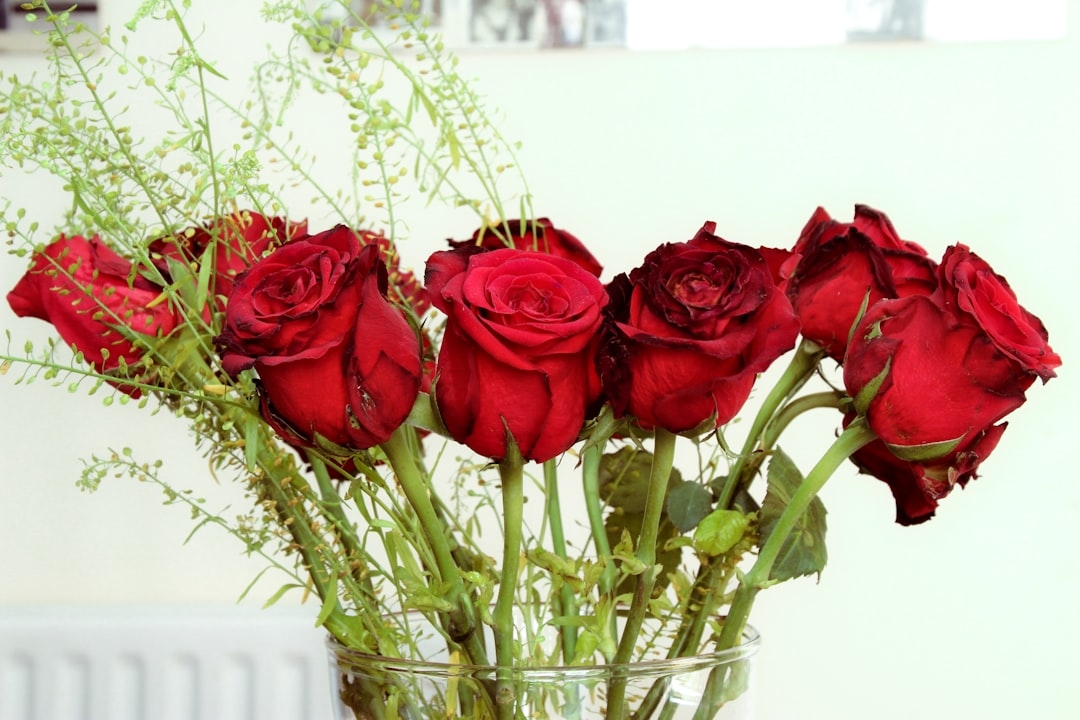
Yes, this one exists — but it comes with clear signals. A single red rose handed directly to you with eye contact and a lingering moment? That’s intentional. Red roses have carried romantic meaning since ancient Rome, where they were associated with Venus, goddess of love. A stranger handing you one at a farmers market while holding your gaze is almost certainly expressing attraction.
Roses aren’t the only romantic messengers. Pink peonies suggest admiration. Tulips — especially red ones — communicate passionate feelings. If the flower is paired with an introduction or a request to talk, the romantic read is almost certainly correct.
Spiritual or Religious Significance
In several spiritual traditions, offering flowers to strangers is an act of devotion or blessing. Hare Krishna devotees have distributed flowers — most often carnations or marigolds — since the 1960s as part of sankirtan, their outreach practice. Buddhist monks in Southeast Asia carry lotus blooms as symbols of enlightenment and sometimes offer them to passersby as blessings.
If someone in religious attire hands you a marigold or lotus and says something about peace or abundance, this is the category you’re in. It’s a spiritual offering, not a personal one.
Promotional or Commercial Intent
Not every flower is purely symbolic. Street vendors, event promoters, and florist shops occasionally distribute single stems as marketing tools. A rose handed to you near a Valentine’s Day pop-up shop? That’s a $0.30 marketing cost designed to get you inside the door. Always check if there’s a business card attached or a storefront nearby.
Cultural Celebration
In many Eastern European countries, including Ukraine, Russia, and Poland, it’s common to hand flowers to strangers during national holidays, International Women’s Day (March 8th), or public festivals. If you’ve ever been in Kyiv on March 8th, men handing tulips and daffodils to women they’ve never met is completely standard — and warmly received. It’s cultural ritual, not personal targeting.
What the Specific Flower Tells You
The variety of flower is often the best clue to intent. Here’s a quick reference:
- Red rose: Romantic love, passion, deep admiration
- Yellow sunflower: Warmth, friendship, positivity — almost never romantic
- White daisy: Innocence, cheerfulness, casual goodwill
- Marigold or carnation: Often spiritual or celebratory in context
- Lavender sprig: Calm, devotion, sometimes healing intent
- Pink tulip: Admiration and affection, softer than romantic love
- Wildflower mix: Spontaneous kindness, no specific message
A stranger handing you a sunflower in a park reads entirely differently than a stranger pressing a single red rose into your hands on a candlelit street. Same gesture, completely different emotional vocabulary.
A Reader’s Experience That Puts It in Perspective
One reader — a landscape designer from Portland, Oregon — shared this: she was walking home from a difficult work meeting, visibly upset, when an elderly man sitting on a bench held out a sprig of rosemary from his garden bag and said, “For remembrance. It gets better.” He didn’t wait for a response. He just went back to reading his newspaper.
She kept that sprig of rosemary pressed in a book for three years. It meant more to her than a dozen arranged bouquets ever had. That’s the power of an unexpected flower from a stranger — it arrives at the exact moment it needs to, with no agenda attached.
How to Respond Graciously (Practical Tips)
Receiving a flower from someone you don’t know can feel disorienting. Here’s how to handle it well:
- Accept it with a smile and simple thanks. You’re not obligated to anything beyond acknowledgment. “Thank you, that’s lovely” closes the loop gracefully.
- Read the room before reading into it. Is this a busy street during a festival? A quiet moment where someone clearly sought you out specifically? Context first, interpretation second.
- Ask a light question if you’re curious. “What’s the occasion?” opens the door without assuming anything.
- Trust your gut on safety. Flowers are almost universally benign gestures, but if anything about the interaction feels pressured or uncomfortable, you’re allowed to decline politely and keep walking.
- Consider passing it forward. If the gesture moved you, give the flower — or one like it — to someone else within the next 24 hours. It costs under $3 at most grocery store floral sections and the effect on the recipient is disproportionate to the price.
Quick Cost Breakdown: Giving a Flower to a Stranger Yourself
If this article has inspired you to try the gesture yourself, here’s what it actually costs:
- Single stem rose from a grocery store (Trader Joe’s, Whole Foods): $1.50–$3.00
- Bunch of mixed wildflowers (Trader Joe’s): $4.99 for 10–12 stems — enough to give away all day
- Sunflower single stem: $1.00–$2.00 at most supermarkets
- Lavender bundle from a farmers market: $5–$8, yields 6–8 individual sprigs
The emotional return-on-investment here is genuinely off the charts. For under $5, you can create a memory someone keeps for years.
FAQ: Stranger Gives Flower Meaning
What does it mean when a stranger gives you a rose?
A rose from a stranger most often signals romantic interest or deep admiration, especially if it’s red and given with direct eye contact. However, context matters — roses distributed at events or by spiritual groups carry different meanings entirely.
Is it normal for a stranger to give you a flower?
Yes, especially in cultural celebrations, spiritual outreach contexts, or random acts of kindness moments. It’s uncommon enough to feel special, but not so rare that it signals anything alarming.
What does it mean spiritually when someone gives you a flower?
In many spiritual traditions, receiving a flower from a stranger is considered a blessing or a sign of positive energy entering your life. Lotus flowers symbolize enlightenment; marigolds represent auspiciousness in Hindu and Buddhist contexts; lavender is associated with healing and calm.
Should I be concerned if a stranger gives me a flower?
Generally, no. Flowers are universally positive gestures. Use common sense — if the person is respectful and the interaction feels natural, accept graciously. If anything feels pressured or uncomfortable, it’s fine to decline politely.
What flower would a stranger give to show friendship rather than romance?
Yellow flowers — sunflowers, daffodils, yellow tulips — are strongly associated with friendship and warmth rather than romantic love. White daisies and wildflowers also signal casual goodwill with no romantic undertone.
Turn the Gesture Around
Now that you know what a stranger’s flower actually means — and that it’s almost always something generous and human — there’s one more step worth taking. Buy five stems of something cheerful this week. Sunflowers, daisies, whatever’s fresh at your local grocery store for under $5. Give them away to people you don’t know: the cashier who seems tired, the neighbor you’ve never spoken to, the person waiting alone at the bus stop.
Pay attention to what happens. You’ll understand, firsthand, exactly why a stranger handed you that flower. Some gestures don’t need decoding. They just need repeating.