Contents:
- The History Behind Color-Coded Flowers
- Single Color Bouquet Meaning by Hue
- All-Red Bouquets: Passion and Certainty
- All-White Bouquets: Clarity, Reverence, and New Beginnings
- All-Yellow Bouquets: Friendship, Joy, and Sunshine Without Romance
- All-Pink Bouquets: Admiration, Affection, and the Space Between
- All-Purple and All-Lavender Bouquets: Mystery, Respect, and Sophistication
- Regional Differences in How Americans Read Flower Color
- What the Pros Know: The Power of Monochromatic Design
- A Story That Puts It in Perspective
- Practical Tips for Responding to a Monochromatic Bouquet
- Frequently Asked Questions
- What does a single color bouquet meaning typically signal?
- Is receiving all-white flowers a bad sign?
- What does it mean if someone sends all-red flowers?
- Can a monochromatic bouquet just be an aesthetic choice with no deeper meaning?
- How much does a monochromatic bouquet typically cost compared to a mixed arrangement?
- How to Use This Knowledge Going Forward
You just received a bouquet. Every single bloom is the same color — not a sprig of greenery, not a contrasting accent, just one unified hue from stem to petal. And now you’re standing there wondering: was that intentional? Does it mean something specific? You’re not overthinking it. A single color bouquet meaning is very real, and florists, historians, and romantics have understood this for centuries.
Color in flowers has always carried weight. Before texting, before greeting cards, before even widespread literacy, people communicated through flowers. A bouquet wasn’t just pretty — it was a message. And when every flower in that arrangement shares the same color, that message gets louder, more focused, harder to misread.
The History Behind Color-Coded Flowers
The practice of assigning meaning to flowers — called floriography — peaked in Victorian England during the 1800s. Dictionaries of flower meanings were genuinely bestselling books at the time. People carried pocket guides to decode arrangements the way we might Google a text message today.
But color symbolism in flowers predates even that. Ancient Egyptians used red flowers in funeral rites. Roman brides carried herbs and blooms in yellow and gold to symbolize fertility. In East Asian traditions, white flowers have carried associations with mourning for over a thousand years. Color wasn’t decoration — it was vocabulary.
In the modern US, these meanings have softened but haven’t disappeared. A 2019 survey by the Society of American Florists found that 62% of consumers believe flower color sends a specific emotional signal, even if they can’t name the exact tradition behind it. Your instinct that color matters? It’s backed by centuries of cultural practice.
Single Color Bouquet Meaning by Hue
Each color carries its own emotional register. Here’s what the most common monochromatic bouquets tend to communicate — and what you might reasonably read into receiving one.
All-Red Bouquets: Passion and Certainty
This is the least ambiguous bouquet on the planet. An all-red arrangement — whether roses, tulips, dahlias, or a mix — signals romantic love with almost zero wiggle room. The sender isn’t hinting. They’re declaring. Red flowers trigger measurable psychological responses: studies from the University of Rochester show that people consistently rate individuals associated with the color red as more attractive and more romantically desirable.
If the bouquet is exclusively red roses, the message gets even more direct. A dozen red roses has been the shorthand for “I love you” in American flower-giving culture since at least the early 20th century. But even red gerbera daisies or red peonies carry that warmth and intensity — just with slightly more playfulness.
All-White Bouquets: Clarity, Reverence, and New Beginnings
White is the color most likely to be misread, because it does double duty. In Western traditions, white flowers at a wedding symbolize purity and fresh starts. At a funeral, the same white lilies or white chrysanthemums express condolence and peace. Context is everything here.
If you received white flowers after a milestone — a graduation, a new job, a move — read them as celebratory and clean-slate. If they arrived without explanation from someone you’ve been emotionally distant from, they may be extending an olive branch. White says: I want clarity between us.
All-Yellow Bouquets: Friendship, Joy, and Sunshine Without Romance
Yellow flowers are the friendliest thing you can receive. Sunflowers, yellow tulips, forsythia, black-eyed Susans — an all-yellow arrangement is warm, cheerful, and almost always platonic. If someone sends you a yellow bouquet and you were hoping for a romantic signal, the honest answer is: probably not that kind of message.
That said, yellow has been making a strong comeback in wedding florals. As of 2026, yellow and cream combinations are among the top five trending wedding color palettes in the US. So in that context, yellow can carry celebratory, even romantic weight — especially paired with a heartfelt note.
All-Pink Bouquets: Admiration, Affection, and the Space Between
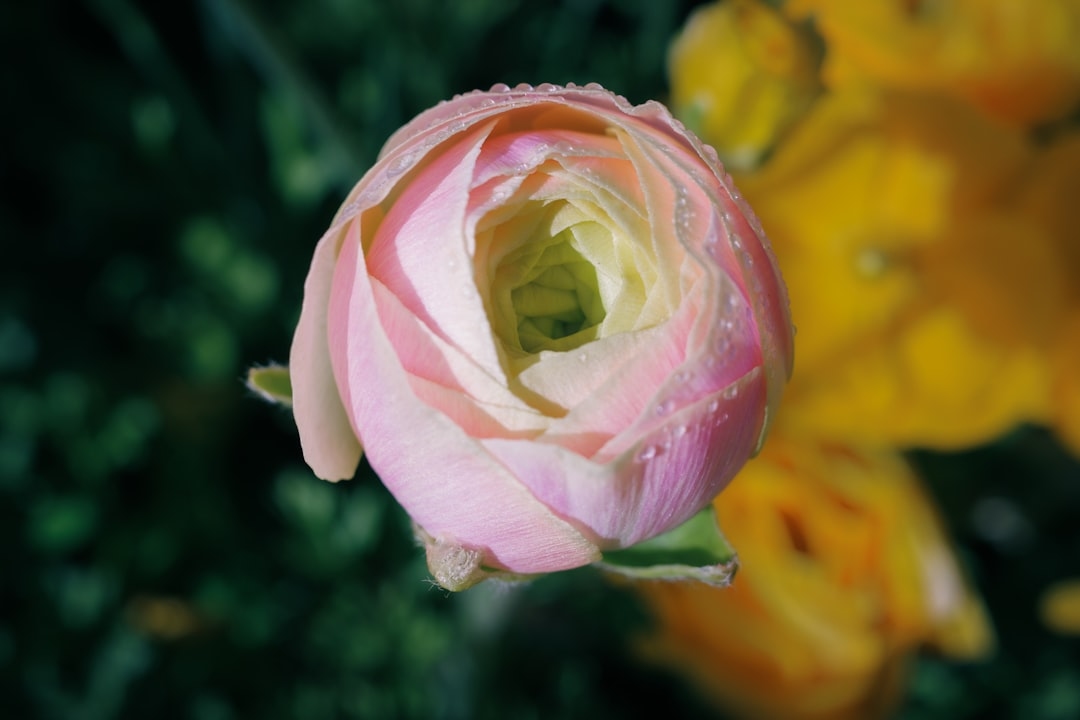
Pink lives in the sweet spot between friendship and romance. Light pink — blush roses, pale peonies — reads as gentle admiration, something tender but not yet bold. Hot pink or deep magenta reads with more energy and confidence, closer to excitement than subtlety.
Receiving an all-pink bouquet often means the sender has real affection for you and may be testing the waters. It’s an emotionally safe color for someone who cares deeply but isn’t quite ready to go red.
All-Purple and All-Lavender Bouquets: Mystery, Respect, and Sophistication
Purple flowers — lavender, wisteria, lisianthus, allium — communicate a quieter kind of regard. This is the color of someone who finds you intellectually fascinating, not just attractive. Purple historically symbolized royalty and was so expensive to produce that only wealthy households could afford it. Giving purple flowers was a form of honoring someone.
Lavender specifically carries a softer message: calm, grace, and quiet devotion. If someone sent you a lavender bouquet, they may be saying they value your presence in a steady, lasting way.
Regional Differences in How Americans Read Flower Color
This is where it gets interesting. The US isn’t monolithic about flower symbolism, and regional culture genuinely shapes interpretation.
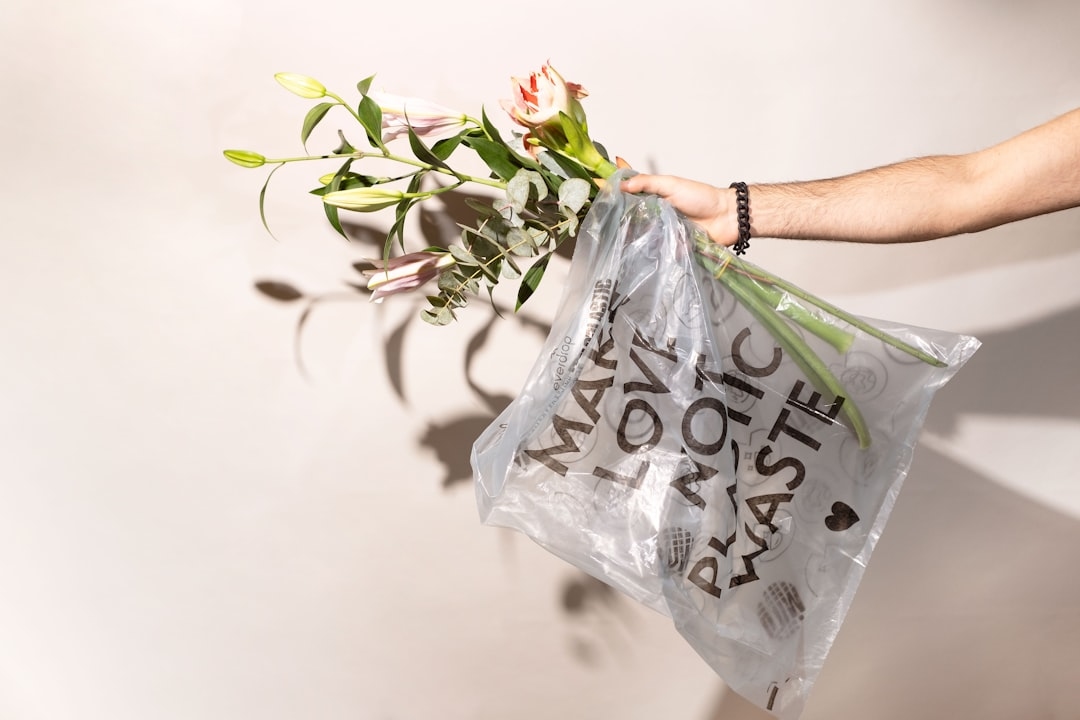
In the Northeast — particularly New York and Boston — flower-giving tends to be more transactional and less emotionally coded. A monochromatic bouquet might be chosen primarily for its visual elegance rather than its color meaning. Aesthetic matters as much as symbolism.
In the South, flowers carry more traditional weight. White flowers at a home visit still often mean condolence or respect. Sending all-red flowers to someone you’ve only met twice might be read as moving too fast. Yellow sunflowers, though, are almost universally welcomed as friendly and warm.
On the West Coast, especially in California, the emphasis has shifted toward what’s seasonal and locally grown. A monochromatic bouquet there might be chosen because those were the flowers available at the farmer’s market that week — meaning can be more about thoughtfulness and less about coded color symbolism. Still, the emotional resonance of the color itself doesn’t disappear entirely.
What the Pros Know: The Power of Monochromatic Design
💡 Florist Insight: Professional florists will tell you that a monochromatic bouquet requires more skill to execute than a mixed-color arrangement. When there’s no color contrast to create visual interest, the designer has to use variation in texture, bloom size, and stem height to make the arrangement dynamic. A well-crafted all-one-color bouquet — say, seven shades of pink from blush to fuchsia — signals that someone either hired a talented florist or put serious thought into the order. That intentionality is part of the message.
A Story That Puts It in Perspective
A reader named Diane from Columbus, Ohio shared this: she received an all-white bouquet from a coworker after a difficult quarter at work. She spent two days wondering if it was a condolence gesture or something more romantic. She finally asked — and learned it was neither. The coworker had simply read that white flowers mean “you did something worth honoring” and wanted to recognize her effort without it being weird.
The bouquet was exactly right. But without context, Diane couldn’t decode it alone. That’s the core lesson: a single color bouquet meaning is a starting point, not a complete sentence. The color sets the tone; everything else — the occasion, your relationship with the sender, any note that came with it — fills in the meaning.
Practical Tips for Responding to a Monochromatic Bouquet
- Check for a card first. About 78% of US flower orders include a written note. The card will almost always clarify intent.
- Consider the occasion. A white bouquet on your birthday reads differently than one that arrives the week after a loss.
- Think about the sender’s style. Did they choose it themselves or use a delivery service? Same-day delivery services like 1-800-Flowers or Teleflora sometimes default to monochromatic arrangements in certain price tiers.
- Ask directly if you’re unsure. “These are gorgeous — what made you choose all purple?” is a completely natural question and opens a real conversation.
- Don’t over-read a mixed-hue monochromatic bouquet. An arrangement that uses three shades of the same color (say, dusty rose, blush, and magenta) is still monochromatic in intent but is likely chosen for aesthetic reasons more than coded symbolism.
Frequently Asked Questions
What does a single color bouquet meaning typically signal?
A monochromatic bouquet signals intentionality. The sender chose one color on purpose, which usually means they wanted to send a unified emotional message — passion (red), friendship (yellow), admiration (pink), reverence (white), or sophistication (purple). The specific meaning depends on the color and context.
Is receiving all-white flowers a bad sign?
Not at all. White flowers mean different things in different contexts. At a wedding or graduation, they symbolize new beginnings. Sent as a gift to a friend, they often represent appreciation or purity of feeling. They’re associated with mourning in some cultures, but in everyday American flower-giving, white is more often celebratory or respectful than sorrowful.
What does it mean if someone sends all-red flowers?
All-red flowers — especially roses — are the clearest romantic signal in American flower culture. The sender is expressing strong romantic feelings or deep love. It’s one of the few flower gestures where the meaning is nearly universal across regions and generations.
Can a monochromatic bouquet just be an aesthetic choice with no deeper meaning?
Absolutely. Many people, especially younger buyers who shop online, choose monochromatic arrangements because they look clean and modern in photos. That’s a legitimate reason. But even if the sender didn’t consciously think about color symbolism, the emotional register of the color still lands — yellow still feels cheerful, red still feels intense.
How much does a monochromatic bouquet typically cost compared to a mixed arrangement?
High-quality monochromatic bouquets often cost more than comparable mixed arrangements, because sourcing enough of one flower or one color in sufficient variety requires more planning. Expect to pay $45–$120 for a well-designed all-one-color bouquet from a local florist, versus $35–$80 for a similarly sized mixed arrangement.
How to Use This Knowledge Going Forward
Now that you understand what a single color bouquet meaning can carry, you’re equipped to both receive and give flowers with more intention. Next time you want to send flowers, skip the “assorted spring mix” default and think about what color actually matches what you want to say. One color, chosen deliberately, says more than five colors thrown together without thought.
And if you’re on the receiving end and still not sure what the bouquet meant? The flowers are already beautiful. Enjoy them first. Then ask. Most people are delighted to explain — they just needed you to open the door.