Contents:
- The Historical Background Behind Hellebore Symbolism
- Hellebore Meaning by Color
- White Hellebores
- Purple and Deep Plum Hellebores
- Pink and Dusty Rose Hellebores
- Near-Black and Deep Red Hellebores
- What Occasions Are Hellebores Appropriate For?
- Regional Differences in Hellebore Culture Across the US
- Practical Tips for Gifting or Growing Hellebores
- Frequently Asked Questions About Hellebore Meaning
- What does a hellebore flower symbolize?
- Are hellebores appropriate for sympathy or funerals?
- What does a white hellebore mean?
- Can you give hellebores as a romantic gift?
- When do hellebores bloom in the US?
- Bringing Hellebore Meaning Into Your Own Life
Most flowers bloom when conditions are easy. Hellebores do not. These remarkable plants flower in the dead of winter, sometimes with snow still on the ground, which is precisely why their symbolism runs so much deeper than a typical spring bloom. The hellebore meaning is rooted in endurance, protection, and a kind of quiet elegance that has captivated gardeners and poets for centuries.
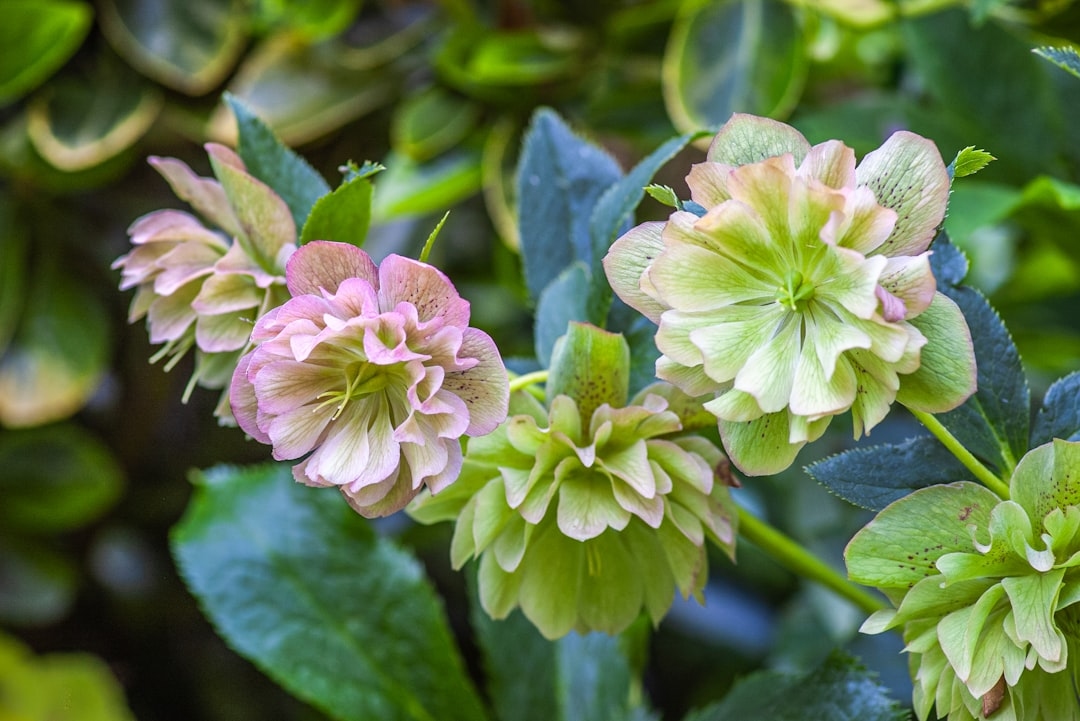
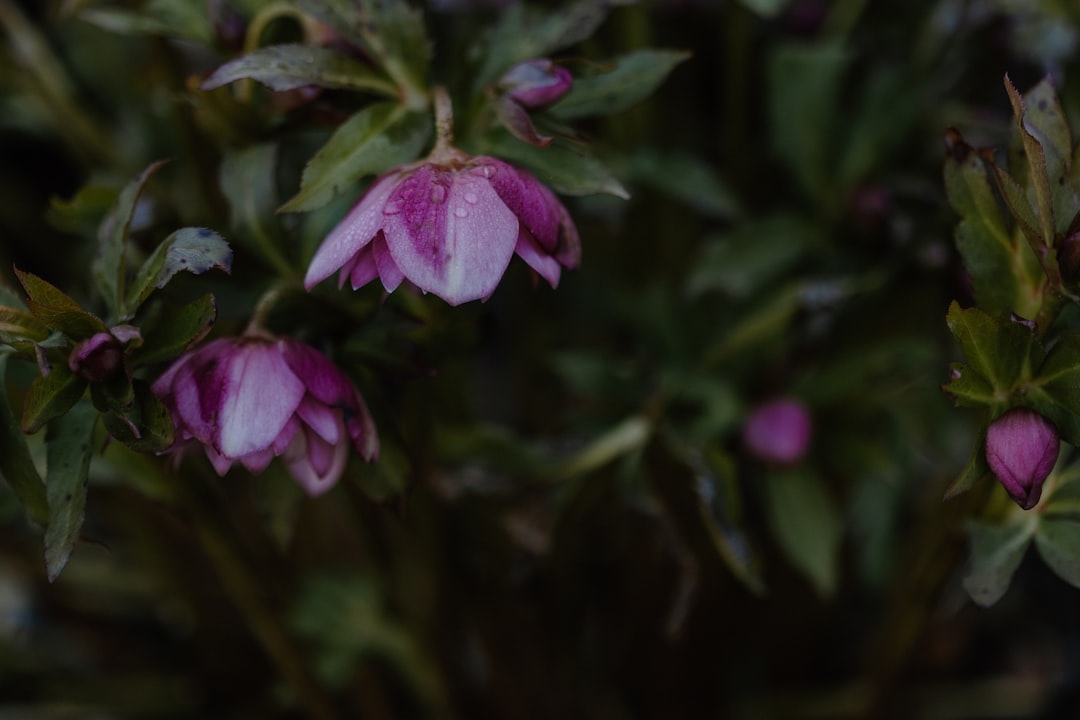
If you’ve never encountered a hellebore before, picture a nodding, cup-shaped flower in shades of deep plum, creamy white, dusty rose, or near-black. They grow low to the ground, are evergreen in many climates, and have a reputation for being almost indestructible once established. Their looks are understated. Their story is not.
The Historical Background Behind Hellebore Symbolism
Hellebores belong to the genus Helleborus in the buttercup family (Ranunculaceae), and their history stretches back over 2,000 years. Ancient Greeks and Romans used hellebore medicinally — and mythologically. They believed it could cure madness, and Greek physician Hippocrates documented its use around 400 BCE. This association with healing and mental clarity fed directly into the flower’s symbolic identity.
In medieval Europe, hellebores were planted near doorways to ward off evil spirits. Folklore across Germany, France, and England depicted the plant as protective — a botanical shield. This is why one persistent strand of hellebore meaning involves protection and the idea of standing guard during dark times.
There is also a gentler legend: the Christmas Rose. According to the story, a young girl wept because she had no gift to offer the Christ child. Where her tears fell in the snow, white hellebores bloomed. That story, originating in medieval Christian tradition, cemented the flower’s association with consolation and grace in difficult moments.
Hellebore Meaning by Color
Like most flowers, color shifts the message significantly. Here is what each major hellebore color tends to convey:
White Hellebores
White or near-white varieties — like Helleborus niger, the Christmas Rose — represent purity, peace, and new beginnings. They are the most traditionally gift-appropriate, particularly around the winter holidays or as a gesture of sympathy.
Purple and Deep Plum Hellebores
Purple varieties communicate mystery, transformation, and dignity. In floriography (the Victorian language of flowers), purple blooms often signaled admiration for someone with quiet, inner strength. A dark plum hellebore makes a striking, unusual sympathy or condolence gift.
Pink and Dusty Rose Hellebores
Pink hellebores soften the mood considerably. They suggest gentleness, gratitude, and affection — not romantic love, but the warm regard between close friends or family members. These are a thoughtful choice for someone recovering from illness.
Near-Black and Deep Red Hellebores
Cultivars like Helleborus ‘Dark and Handsome’ lean into the dramatic. Their symbolism is tied to mystery and the unknown — appropriate for someone drawn to gothic aesthetics, or as an artistic statement in a bouquet.
What Occasions Are Hellebores Appropriate For?
Hellebores are not an all-purpose flower. They carry weight. That makes them ideal for specific situations where you want to send a message with substance rather than just color.
- Sympathy and grief: Their association with consolation and endurance makes them one of the most meaningful condolence flowers, particularly white or soft purple varieties.
- Winter celebrations: As natural mid-winter bloomers (typically December through March in the US), they suit holiday arrangements naturally.
- Milestone gifts: For someone who has survived something hard — a difficult year, a health challenge, a major loss — hellebores communicate “I see your strength.”
- Gothic or artistic aesthetics: Dark varieties have found a strong following in non-traditional weddings and editorial floral design.
They are generally not the flower for casual romantic gestures or birthday bouquets for children. The tone is too considered, too serious for light occasions.
Regional Differences in Hellebore Culture Across the US
Hellebore meaning is fairly consistent, but how Americans use the flower varies by region. In the Pacific Northwest — where cool, damp winters create ideal growing conditions — hellebores are a garden staple. Home gardeners in Oregon and Washington treat them almost casually, planting them under deciduous trees where they naturalize readily. The symbolism there is less ceremonial and more about quiet, everyday beauty.
In the Northeast, hellebores bloom later (often February to April in USDA Hardiness Zones 5–6) and carry more novelty. Seeing them push through late-season snow in a Connecticut or Massachusetts garden carries emotional weight — they genuinely feel like a promise of spring. Florists in cities like Boston and New York have leaned into this, marketing them as a premium winter cut flower at $8–$15 per stem.
In the South, particularly in states like North Carolina and Georgia (Zones 7–8), hellebores thrive in the shade of tall pines and bloom as early as January. Southern gardeners have embraced them for woodland garden design, and the meaning there often centers on shade-tolerant grace — beauty that doesn’t need the spotlight to survive.
Practical Tips for Gifting or Growing Hellebores
If you want to give hellebores as a cut flower, keep these specifics in mind. Hellebore stems are notoriously short-lived without preparation. To condition them properly, cut the stems at a 45-degree angle, slit the bottom inch vertically, and submerge the entire flower head in cool water for two hours before arranging. This dramatically improves vase life, extending it from roughly 3 days to 7–10 days.
For growing: hellebores perform best in USDA Zones 4–9, in partial to full shade. They prefer well-drained, slightly alkaline soil with a pH of 7.0–7.5. Plant crowns level with the soil surface — planting too deep is the most common beginner mistake. Once established (usually after year two), they require almost no maintenance and can live for 20+ years in the right spot.
Important safety note: all parts of the hellebore plant are toxic if ingested, to both humans and pets. Keep them away from children and animals, and wash hands after handling.
Frequently Asked Questions About Hellebore Meaning
What does a hellebore flower symbolize?
Hellebores primarily symbolize resilience, protection, and serenity. Because they bloom in winter, they are also associated with hope and the ability to endure difficult circumstances. Historically, they were connected to healing and warding off evil.
Are hellebores appropriate for sympathy or funerals?
Yes. White and purple hellebores are considered thoughtful condolence flowers. Their association with consolation, quiet strength, and endurance makes them more meaningful than many generic sympathy arrangements.
What does a white hellebore mean?
White hellebores — particularly Helleborus niger, the Christmas Rose — represent purity, peace, and new beginnings. They are the most traditional variety for gifting and carry a sense of grace under hardship.
Can you give hellebores as a romantic gift?
Hellebores are not a conventional romance flower. They communicate deep regard and admiration rather than passion. If the relationship values thoughtfulness over grand gestures, a small bunch of hellebores can be genuinely moving — but red roses they are not.
When do hellebores bloom in the US?
Bloom time varies by region and zone. In the South (Zones 7–8), they can bloom as early as January. In the Northeast (Zones 5–6), expect February through April. In the Pacific Northwest, bloom typically peaks in February and March. Most varieties flower for 6–8 weeks.
Bringing Hellebore Meaning Into Your Own Life
Understanding the hellebore meaning changes how you might think about receiving or giving them. These are not casual flowers. They ask something of you — a moment of attention, a recognition of difficulty endured or beauty found in unlikely conditions. If someone gives you hellebores, they are almost certainly telling you they see something strong and enduring in you.
If you want to explore them further, visit a local botanical garden between January and March — most gardens in Zones 5 and above will have hellebores in bloom. The Royal Horticultural Society and the American Hellebore Society both maintain variety databases if you want to track down a specific color or cultivar for your own garden or a meaningful arrangement.