Contents:
- The Historical Roots of Marigold Symbolism in America
- Marigolds Meaning in American Culture: Core Symbolism
- Warmth and the Sun
- Grief and Remembrance
- Resilience and Hardiness
- Marigolds in American Holidays and Seasonal Traditions
- Marigolds as Protective Plants: Folk Belief Meets Science
- Common Mistakes to Avoid With Marigolds
- Practical Tips for Growing Marigolds in Limited Spaces
- FAQ: Marigolds and Their Meaning in American Culture
- What do marigolds symbolize in the United States?
- Are marigolds used in Day of the Dead celebrations in America?
- Do marigolds have a negative meaning in American culture?
- What is the best marigold variety for a small apartment garden?
- Did marigolds ever become the national flower of the United States?
- Growing Your Own Piece of American Garden History
In the early 1900s, American seed catalogs featured marigolds on their covers as symbols of the industrious home garden — bright, unfussy, and deeply optimistic. Thomas Jefferson grew them at Monticello. Immigrant families planted them along fence lines as reminders of home. Long before marigolds became a staple of every hardware store garden center, they carried weight. They meant something.
Understanding marigolds meaning in American culture requires looking beyond the flower aisle. These blooms have accumulated centuries of symbolism, practical use, and emotional resonance that most people never think about when they tuck a six-pack into a window box.
In American culture, marigolds primarily symbolize warmth, grief, remembrance, and resilience. They appear in funeral traditions, Day of the Dead celebrations, patriotic gardens, and everyday home landscapes. Their meaning shifts by context — celebratory in one setting, mournful in another — but they are almost always associated with strong emotion and endurance.
The Historical Roots of Marigold Symbolism in America
Marigolds are not native to North America. They originate from Mexico and Central America, where the Aztecs cultivated Tagetes erecta — the African marigold — for medicinal, ritual, and decorative purposes. Spanish colonizers brought seeds to Europe in the 1500s, and by the 1700s, the flowers had made their way back to North American soil through European settlers and trade routes.
Victorian flower language, or floriography, assigned marigolds the meaning of grief, despair, and jealousy — a surprisingly dark reputation for such a cheerful-looking bloom. This interpretation shaped early American attitudes. Marigolds appeared at funerals and were placed on graves, particularly in Southern states, well into the 20th century. Even today, some older gardening traditions in Appalachia and the rural South associate marigolds with remembrance of the dead.
The meaning began to soften through the mid-1900s as commercial horticulture rebranded marigolds as a cheerful, productive garden plant. David Burpee, the Pennsylvania seed magnate, spent decades promoting African marigolds as the quintessential American flower — he even lobbied Congress in 1967 to make the marigold the national flower. He lost to the rose, but the campaign permanently cemented marigolds as patriotic, humble, and all-American.
Marigolds Meaning in American Culture: Core Symbolism
Warmth and the Sun
The most immediate association most Americans have with marigolds is solar warmth. Their orange and yellow tones mirror a setting sun, and this visual link has made them a consistent symbol of optimism, energy, and life force. In folk practice, planting marigolds near a front door was believed to invite good fortune and welcome guests — a belief that persists in informal gardening traditions across the Midwest and Southwest.
Grief and Remembrance
Marigolds have a long dual life in American culture as both celebratory and funerary flowers. In Mexican-American communities, cempasúchil — the same Tagetes erecta species — forms the iconic orange pathways of Día de los Muertos altars every November 1st and 2nd. This tradition is now widely observed across the United States, particularly in California, Texas, Arizona, and New Mexico, where Mexican-American populations have kept the practice vibrant for generations.
Outside of that context, marigolds are still occasionally included in funeral arrangements and grave plantings. Their strong scent, which some find pungent, was historically believed to guide spirits and ward off evil — a practical and spiritual function that gave them a permanent place in death rituals.
Resilience and Hardiness
There is a practical symbolism embedded in how marigolds grow. They tolerate heat, poor soil, drought, and neglect far better than most flowering annuals. In American working-class and immigrant garden traditions, marigolds represented persistence — the flower you could always count on, even when resources were scarce. A $3 packet of marigold seeds can produce dozens of plants that bloom from June through first frost, which in USDA Hardiness Zones 5–8 means roughly five to six months of continuous color.
Master gardeners often recommend French marigolds (Tagetes patula) over African varieties for small-space gardens and window boxes. They stay compact — typically 6 to 12 inches tall — and produce more blooms per plant. Deadhead weekly to extend bloom time by several weeks. For the longest season, start seeds indoors 6–8 weeks before your last frost date.
Marigolds in American Holidays and Seasonal Traditions
Beyond Día de los Muertos, marigolds appear in a surprising range of American seasonal contexts. They are a standard fixture in fall harvest decorations alongside pumpkins and gourds — their warm colors align perfectly with the autumn palette that dominates American home décor from September through November.
Some Hindu-American communities incorporate marigolds into Diwali celebrations, mirroring the flower’s significant role in South Asian festivals like Dussehra and Diwali in India, where garlands of marigolds decorate temples and doorways. As Indian-American communities have grown — now numbering over 4.4 million according to the U.S. Census Bureau — this use of marigolds has become more visible in American cities, adding another cultural layer to the flower’s meaning.
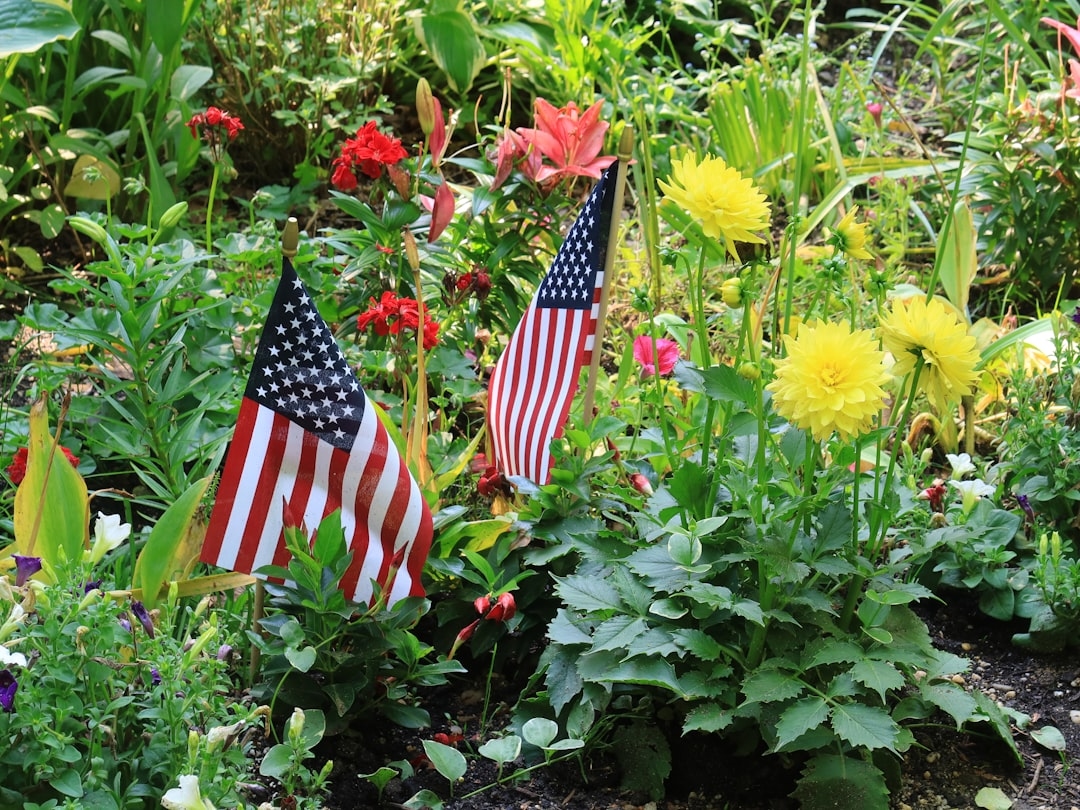
In public gardens and civic landscaping, marigolds are frequently planted for patriotic displays in red, white, and yellow color schemes for Independence Day through Labor Day. Cities in the South and Midwest often feature marigold borders in public parks as low-maintenance summer color plants, spending as little as $0.50–$1.00 per plant for large municipal purchases.
Marigolds as Protective Plants: Folk Belief Meets Science
One of the most enduring beliefs in American gardening culture is that marigolds repel pests. This is not entirely folklore. Research published in horticultural journals has confirmed that French marigolds emit thiophenes from their roots, which suppress certain nematodes in the soil. The strong scent of the foliage also deters aphids, whiteflies, and some beetles.
This protective reputation gave marigolds spiritual symbolism as guardian plants — planted at the corners of vegetable gardens not just for pest control but as a kind of floral boundary marker. In curandera traditions in Latino communities across the American Southwest, marigolds are still used in cleansing rituals and as protective herbs in the home.
Common Mistakes to Avoid With Marigolds
- Overwatering in containers. Marigolds in small pots rot quickly when kept wet. Water only when the top inch of soil is dry. Most apartment growers water too often, not too little.
- Choosing the wrong variety for small spaces. African marigolds (Tagetes erecta) can grow 3 feet tall — poor choices for a balcony railing planter. Stick to dwarf French varieties for anything under 12 inches of container depth.
- Ignoring deadheading. Spent blooms left on the plant signal it to stop producing flowers. Removing them every 5–7 days keeps plants blooming through fall.
- Planting too early. Marigolds are frost-sensitive. Even in Zone 7, a late April frost can kill young transplants. Wait until nighttime temps stay consistently above 50°F.
- Misreading the symbolism in gifting. Giving marigolds to someone unfamiliar with their cultural history can carry unintended connotations of grief. In a gifting context, pairing them with a note about their warmth and resilience symbolism helps frame the gesture.
Practical Tips for Growing Marigolds in Limited Spaces
For apartment dwellers and those with only a balcony or windowsill, marigolds are genuinely one of the best choices available. A 6-inch pot holds one compact French marigold comfortably. An 8- to 10-inch window box can support three plants at 4–6 inches apart.
Use a well-draining potting mix — standard potting soil works fine, but avoid heavy garden soil in containers. Marigolds prefer full sun: at least 6 hours of direct light daily. South- or west-facing windows and balconies deliver this most reliably in American cities. Fertilize lightly with a balanced 10-10-10 fertilizer once a month; too much nitrogen produces lush foliage but fewer blooms.
Seed-starting is cost-effective and satisfying. A single $2–$4 seed packet typically contains 50–100 seeds and can fill multiple containers across a season. Seeds germinate in 5–7 days at room temperature (around 70°F), making them among the fastest-sprouting annuals available to home growers.
FAQ: Marigolds and Their Meaning in American Culture
What do marigolds symbolize in the United States?
In the United States, marigolds symbolize warmth, remembrance, resilience, and optimism. They carry funerary associations from Victorian flower language and celebratory ones from Mexican and Hindu-American traditions. The specific meaning depends heavily on context and community.
Are marigolds used in Day of the Dead celebrations in America?
Yes. Marigolds — specifically Tagetes erecta, known as cempasúchil in Spanish — are central to Día de los Muertos observances in Mexican-American communities. They are used to create altar decorations and pathways believed to guide spirits home. The holiday is widely celebrated in California, Texas, Arizona, New Mexico, and increasingly across the broader United States.
Do marigolds have a negative meaning in American culture?
Historically, yes. Victorian floriography assigned marigolds meanings of grief, despair, and jealousy. This gave them a strong funerary association in 19th and early 20th century America. Today that connotation has largely softened, though some older regional traditions still connect marigolds with mourning and remembrance of the dead.
What is the best marigold variety for a small apartment garden?
French marigolds (Tagetes patula), particularly dwarf varieties like ‘Disco’ or ‘Bonanza’, are best for small spaces. They stay 6–12 inches tall, fit comfortably in 6-inch pots, and bloom prolifically from late spring through frost with minimal care.
Did marigolds ever become the national flower of the United States?
No. Seed industry pioneer David Burpee lobbied Congress in 1967 to designate the marigold as the U.S. national flower, but the effort failed. The rose was officially named the national floral emblem of the United States in 1986 when President Ronald Reagan signed the designation into law.
Growing Your Own Piece of American Garden History
Marigolds carry more meaning per square inch than almost any other flower you can grow. Whether you place a pot on a windowsill in January to start seeds, add them to a balcony container in June, or buy a bunch to place on a relative’s grave in autumn, you are participating in a living tradition that spans centuries and cultures.
Pick up a packet of French marigold seeds — ‘Bonanza Yellow’ or ‘Disco Orange’ are widely available at hardware stores and online for under $4 — and plant them in whatever space you have. By midsummer, you will have color, fragrance, and a small connection to something much larger than a windowsill.