Contents:
- The Emotional Language of Coral: What This Color Communicates
- Core Symbolic Meanings of Coral Flowers
- Coral Flowers Meaning Across Different Bloom Types
- Coral Roses
- Coral Peonies
- Coral Dahlias
- Coral Tulips
- Coral Ranunculus
- When to Give Coral Flowers: Occasions and Pairings
- Small-Space Arrangement Ideas Using Coral Flowers
- A Sustainable Approach to Coral Flowers
- Frequently Asked Questions About Coral Flower Symbolism
- What do coral flowers symbolize in a bouquet?
- Are coral flowers appropriate for a funeral or sympathy arrangement?
- What is the difference between coral and peach flowers in terms of meaning?
- What flowers come in coral colors naturally?
- Do coral flowers work for a wedding?
- Choosing Your Coral Blooms with Intention
Long before florists had names for color trends, Victorian-era gift-givers used a secret language called floriography to send coded emotional messages through bouquets. A single coral rose delivered to someone’s door could communicate exactly what words couldn’t — something between passionate love and joyful admiration. That tradition is very much alive today. Understanding coral flowers meaning gives every arrangement a deeper emotional layer, whether you’re sending a get-well bouquet, celebrating a friend’s promotion, or brightening your own windowsill.
The Emotional Language of Coral: What This Color Communicates
Coral sits at a fascinating crossroads on the color spectrum — it’s the child of orange’s energy and pink’s tenderness. Color psychologists categorize it as a warm hue that stimulates feelings of enthusiasm, optimism, and approachable warmth. Unlike red, which signals intense romantic desire, coral says something softer: I admire you. I’m rooting for you. You bring light into my life.
This makes coral an incredibly versatile symbolic color. It works for romantic gestures without the pressure of red roses. It fits celebrations without the formality of white. It expresses sympathy without the heaviness of purple. In short, coral flowers occupy a unique emotional lane that no other color quite covers.
Core Symbolic Meanings of Coral Flowers
- Warm affection and admiration — a step beyond friendship, but not necessarily romantic love
- Enthusiasm and zest for life — ideal for birthdays, graduations, and new beginnings
- Desire and passion — particularly in coral roses, which traditionally carry a message of longing
- Gratitude and appreciation — a coral arrangement says “thank you” with genuine feeling
- Good health and vitality — the warm, energetic hue makes coral flowers a popular get-well gift
Coral Flowers Meaning Across Different Bloom Types
The specific flower you choose amplifies or shifts the general coral color symbolism. A coral peony carries a completely different emotional weight than a coral dahlia. Knowing these distinctions lets you build a bouquet that communicates with real precision.
Coral Roses
Coral roses are the most recognized variety. Rose experts at the American Rose Society consider coral roses to express desire and fascination — slightly more intense than peach, but warmer than red. A dozen coral roses from a reputable US florist typically runs $55–$85, making them a mid-tier romantic gesture. For small apartment dwellers, a single stem in a bud vase on a kitchen counter makes just as strong a statement.
Coral Peonies
Peonies symbolize good fortune, prosperity, and a happy life in both Western and East Asian traditions. Coral peonies specifically add an energy of vitality and excitement to that baseline meaning. They’re one of the largest blooms available — a single stem can spread 4–6 inches wide — which means even two or three stems fill a small-space vase completely. Their season runs May through June in most US growing zones.
Coral Dahlias
Dahlias carry meanings of elegance, inner strength, and commitment to change. A coral dahlia communicates creative confidence — it’s a fantastic choice for congratulating someone on a career milestone, launching a business, or completing a degree. Dinner plate dahlias in coral can reach 10–12 inches across, so one bloom in a low, wide vase is enough to anchor an entire small-space arrangement.
Coral Tulips
Tulips traditionally symbolize perfect love and cheerfulness. In coral, they take on an additional note of warmth and encouragement. They’re also one of the most affordable options: a bunch of 10 coral tulips at US grocery stores typically costs $8–$15. For apartment dwellers on a budget, a simple glass vase of coral tulips delivers outsized visual impact for minimal cost.
Coral Ranunculus
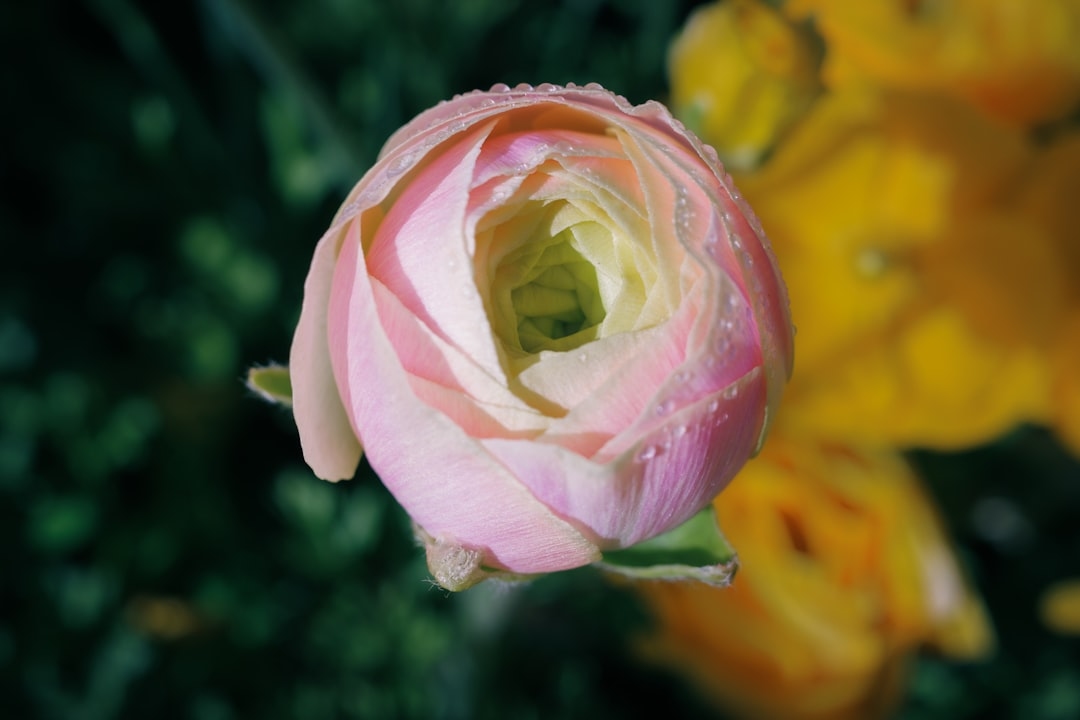
With their tightly layered petals, ranunculus flowers symbolize radiant charm and being dazzled by someone’s attractiveness. Coral ranunculus are a florist’s secret weapon — they photograph beautifully, last 7–10 days in a vase, and feel luxurious without the price tag of peonies. They’re also compact, making them perfect for a small bedside table or bathroom shelf.
When to Give Coral Flowers: Occasions and Pairings
Coral flowers hit the right emotional note for a surprisingly wide range of occasions. Here’s how to match the bloom to the moment:
- Birthdays: The energetic, joyful quality of coral makes it a standout birthday color — more exciting than pastels, less intense than hot pink.
- New jobs or promotions: Coral dahlias or sunflowers signal confidence and forward momentum.
- Get-well wishes: The warm vitality of coral communicates energy and healing without the melancholy of white.
- Anniversaries (early years): Coral roses express ongoing desire and fascination — perfect for 1st through 5th anniversaries.
- Housewarming gifts: A potted coral kalanchoe (widely available at US garden centers for $10–$18) brings lasting color to a new apartment and keeps blooming for weeks.
- Mother’s Day: Coral peonies and ranunculus are a sophisticated, non-cliché alternative to the standard pink arrangement.
🌸 What the Pros Know
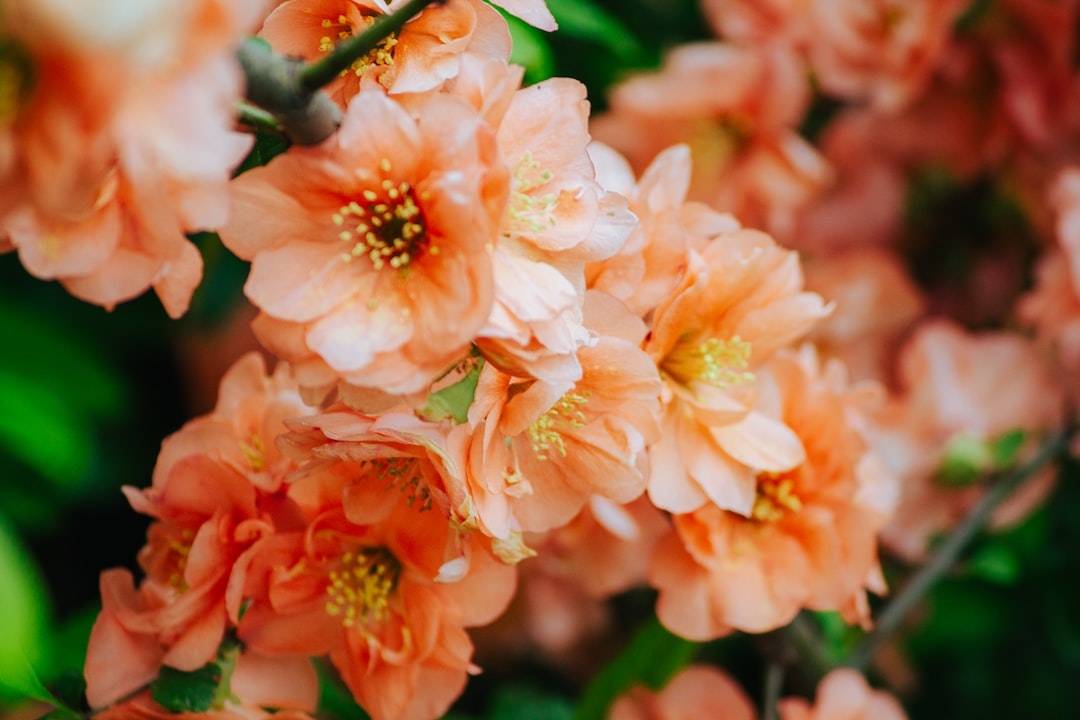
Professional florists often use coral as the “bridge color” in mixed arrangements. Because coral contains both warm red and cool pink undertones, it harmonizes with nearly every other hue — blush, cream, burgundy, white, even sage green. If you’re building a small-space arrangement and aren’t sure how to tie different flowers together, add 3–5 coral stems and they’ll do the visual work of unifying the whole bouquet.
Small-Space Arrangement Ideas Using Coral Flowers
Living in an apartment doesn’t mean you have to choose between a big arrangement and no flowers at all. Coral blooms actually lend themselves beautifully to compact, intentional displays.
- Bud vase trio: Place three different-height bud vases on a windowsill, each with a single coral stem — one rose, one ranunculus, one tulip. The variety in texture makes it look curated, not sparse.
- Low bowl arrangement: Use a shallow ceramic bowl with a flower frog to hold 3–5 coral dahlias at varying heights. This style works brilliantly on a small dining table because it doesn’t block eye contact across the table.
- Potted plants for longevity: A coral begonia or kalanchoe in a 4-inch pot gives you weeks of color instead of days. Place it on a south- or east-facing windowsill for best results in most US apartment settings.
A Sustainable Approach to Coral Flowers
Roughly 80% of cut flowers sold in the US are imported, primarily from Colombia and Ecuador, which means significant air freight emissions. Choosing locally grown coral blooms — especially during their natural season — dramatically reduces that footprint. Look for coral peonies and tulips at US farmers markets between April and June, and coral dahlias from July through first frost. The website LocalHarvest.org lists certified flower farms by zip code.
For an even lower-impact option, consider growing your own. Coral-toned zinnias are remarkably easy annuals that thrive in containers as small as 6 inches in diameter, making them ideal for apartment balconies in USDA Hardiness Zones 3–10. A single $3 seed packet can produce dozens of blooms from June through September, giving you weeks of freshly cut coral flowers at nearly no cost.
Frequently Asked Questions About Coral Flower Symbolism
What do coral flowers symbolize in a bouquet?
Coral flowers symbolize warm affection, enthusiasm, desire, and vitality. They communicate genuine appreciation and admiration — making them suitable for romantic gestures, celebrations, and expressions of gratitude. The exact meaning can shift slightly depending on the flower type: coral roses emphasize desire and fascination, while coral peonies lean toward joy and good fortune.
Are coral flowers appropriate for a funeral or sympathy arrangement?
Coral flowers can be used in sympathy arrangements, though they’re not traditional. Their warm, energetic quality works best in “celebration of life” services where the tone honors vitality rather than grief. For more conventional sympathy arrangements, white or pale lavender blooms are more expected. If using coral, pair it with white or cream flowers to soften the intensity.
What is the difference between coral and peach flowers in terms of meaning?
Peach flowers — particularly roses — typically symbolize sincerity, modesty, and genuine gratitude. Coral flowers carry more energy and intensity: more passion, more enthusiasm, more desire. Think of peach as a heartfelt thank-you card and coral as a standing ovation. Both are warm and positive, but coral communicates more emotional heat.
What flowers come in coral colors naturally?
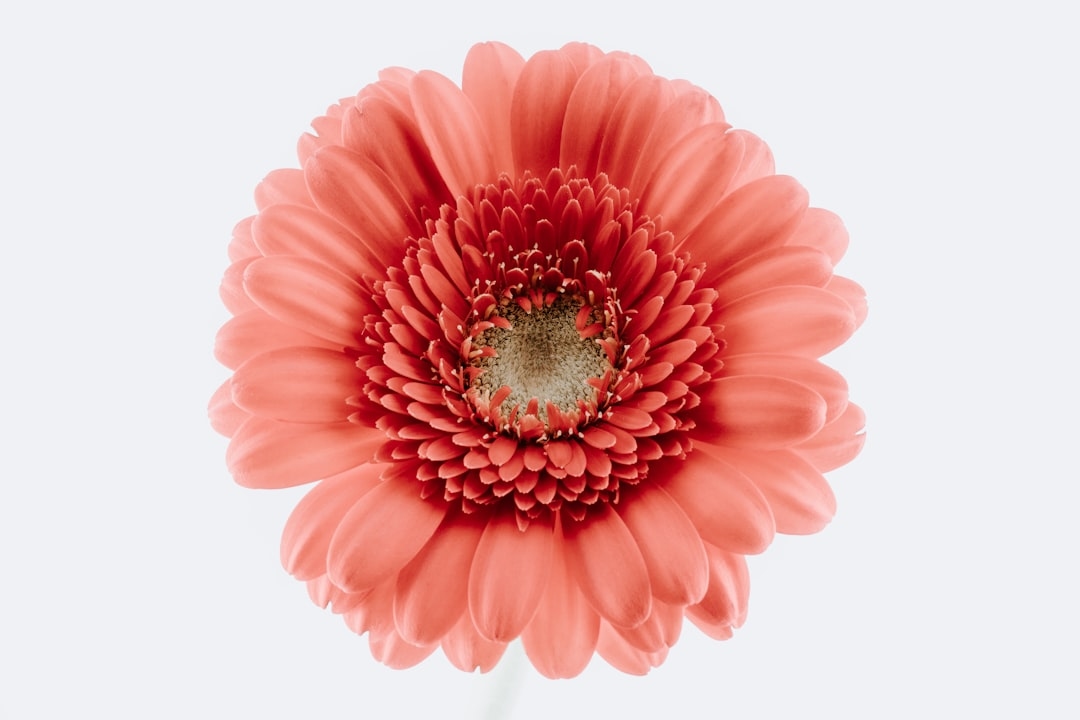
Many flowers grow naturally in coral shades, including roses, peonies, dahlias, tulips, ranunculus, zinnias, gerbera daisies, snapdragons, and cosmos. Some varieties, like coral charm peonies and coral sunset roses, are specifically bred for their true coral tones rather than simply being orange or pink adjacent.
Do coral flowers work for a wedding?
Coral is a popular wedding color, particularly for spring and summer ceremonies. It pairs beautifully with gold, ivory, sage green, and navy. Coral peonies and roses are among the most requested wedding flowers in that color family. For budget-conscious couples, coral zinnias (in season) and spray roses offer similar visual impact at a significantly lower price per stem — typically $1.50–$3.00 per stem versus $4–$8 for garden roses.
Choosing Your Coral Blooms with Intention
Color is never just decoration — it’s communication. Sending coral flowers is a deliberate act of warmth, and now you have the vocabulary to make that gesture as specific and meaningful as possible. Start small: one coral ranunculus in a bud vase on your kitchen counter. Notice how it changes the energy of your space. Then build from there — a seasonal posy from a local farm stand, a container of zinnias on your balcony, or a carefully chosen arrangement for someone who deserves to feel truly seen. Coral is waiting to say exactly what you mean.