Contents:
- The Language of Flowers: A Brief Background
- What the Number 15 Symbolizes in Rose Giving
- How Rose Color Shifts the Message
- When to Give 15 Roses: A Seasonal Calendar Reference
- Choosing the Right Roses: Practical Tips for Gardeners
- Common Mistakes to Avoid
- Buying 15 Roses: What to Expect in the US Market
- The 15 Roses Meaning Across Cultures
- Frequently Asked Questions
- What does it mean when someone gives you 15 roses?
- Is the 15 roses meaning romantic?
- What color roses should you give for a quinceañera?
- How long will 15 cut roses last in a vase?
- Does the number of roses really matter?
You open the door and there they are — fifteen roses, wrapped in kraft paper, still dewy from the florist’s cooler. It’s a specific number. Not a dozen, not two dozen. Fifteen. And if you’ve ever stood there wondering whether that number carries weight beyond aesthetics, you’re asking exactly the right question. The 15 roses meaning sits at a quiet intersection of floral tradition, personal expression, and cultural symbolism — and it’s more layered than most people expect.
The Language of Flowers: A Brief Background
Floriography — the practice of assigning meaning to flowers and their quantities — became codified in 19th-century Europe, particularly during the Victorian era. Bouquet composition was a form of communication when direct emotional expression was considered improper. Every petal, stem count, and ribbon color carried encoded messages.
That tradition never fully disappeared. Today, florists in the US still field questions about “what number means what,” and rose counts remain one of the most searched floral topics online. Twelve roses became the cultural standard for romantic love largely through marketing. But numbers like fifteen carved out their own meaning through repetition, regional custom, and personal storytelling.
What the Number 15 Symbolizes in Rose Giving
Fifteen roses most commonly carry a meaning of apology and sincere regret. In several Eastern European and Russian floral traditions — which have significantly influenced gifting culture in immigrant communities across the US — fifteen roses signal that the giver is sorry and hopes for forgiveness. It’s a humble number: more than a token, less than an over-the-top gesture.
Beyond apology, fifteen also represents a coming-of-age milestone. In Latin American cultures, the quinceañera — a girl’s fifteenth birthday — is celebrated with deep symbolic weight. Fifteen roses are frequently incorporated into the ceremony itself, often presented by the young woman’s father or godfather as part of a formal ritual marking her transition into adulthood. Each rose can represent a year of her life, a blessing, or a wish for her future.
A third interpretation simply reads fifteen as an expression of heartfelt admiration — a number chosen because it feels personal and deliberate rather than defaulting to the commercially dominant dozen.
How Rose Color Shifts the Message
The number is only part of the equation. Color amplifies or redirects meaning considerably:
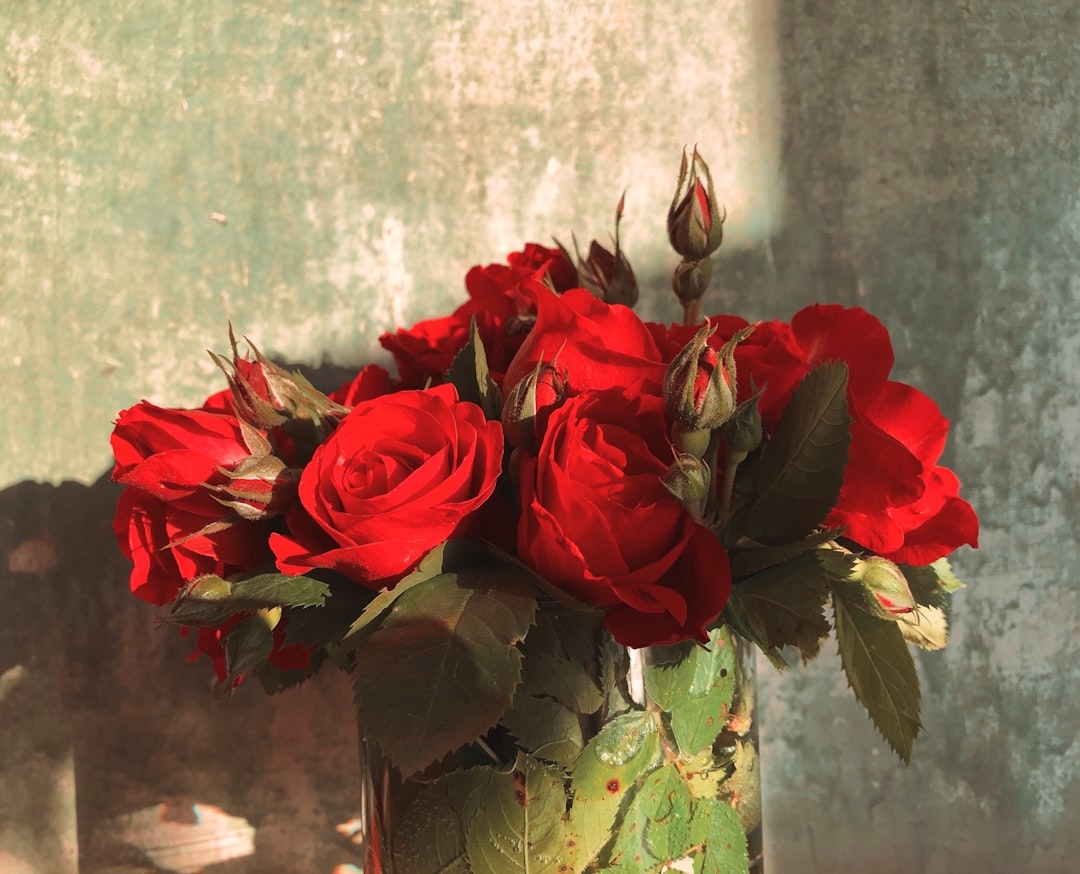
- Red roses: Romantic love and passion. Fifteen red roses lean into apology within a romantic context — “I’m sorry, and I love you.”
- Pink roses: Admiration, gratitude, and gentle affection. Fifteen pink roses work beautifully for a quinceañera or a heartfelt thank-you.
- White roses: Purity, new beginnings, and sincerity. These suit a formal apology or a moment of emotional honesty.
- Yellow roses: Friendship and joy. Fifteen yellow roses celebrate a milestone without romantic undertones.
- Peach roses: Appreciation and modesty. A thoughtful choice when the message is “I see you and I’m grateful.”
When to Give 15 Roses: A Seasonal Calendar Reference
Timing matters as much as intention. Here’s a practical guide to when fifteen roses fit naturally into the calendar year:
- January–February: Valentine’s season makes any rose count romantic by default. Fifteen red roses here read as both distinctive and deeply personal.
- March–May: Spring quinceañeras peak during this season. Fifteen pink or white roses are traditional ceremony gifts.
- June: Graduation season. Fifteen roses honor a student’s years of effort — one rose per grade level, K through 12 plus one for good measure.
- September–October: Fall anniversaries and Día de los Muertos preparations. White or marigold-adjacent rose arrangements reflect cultural and seasonal aesthetics.
- November–December: Year-end apologies, reconciliations, and family gatherings make this a meaningful time for a fifteen-rose gesture of sincerity.
US florists report that custom bouquet orders (non-standard counts like 15, 7, or 25) spike 34% in the weeks surrounding Mother’s Day and quinceañera season, typically April through June. Ordering at least 5 days in advance during these windows helps guarantee availability and stem quality.
Choosing the Right Roses: Practical Tips for Gardeners
If you grow roses yourself, assembling a meaningful bouquet from your own garden adds a layer of intentionality no florist can replicate. For a fifteen-stem cut arrangement, you’ll want stems at least 18–20 inches long with tight buds that are just beginning to open — roughly one-quarter to one-half bloom is ideal for longevity.
Hybrid tea roses are the most structurally reliable for cut bouquets. Varieties like ‘Mr. Lincoln’ (deep red), ‘Queen Elizabeth’ (pink), and ‘Pope John Paul II’ (white) hold their form for 7–10 days in a vase when cut in the early morning and immediately placed in water with a commercial floral preservative at 1 packet per quart.
For gardeners in USDA Hardiness Zones 6–9, peak bloom windows typically fall in late May and again in September — both excellent times to cut fifteen stems without stressing the plant. Always cut at a 45-degree angle just above a five-leaflet leaf node to encourage reblooming.
Common Mistakes to Avoid
- Cutting at midday: Stems cut during peak heat lose moisture rapidly. Always harvest in the early morning or evening.
- Skipping the water conditioning step: Roses need at least two hours in a deep bucket of water before arranging. Skipping this reduces vase life by up to 40%.
- Using a vase that’s too narrow: Stems need air circulation. A vase with a 4–5 inch opening suits a fifteen-stem arrangement well.
- Ignoring foliage below the waterline: Any leaves submerged in vase water will rot and introduce bacteria. Strip all foliage from the bottom 6–8 inches of each stem.
- Presenting fully open blooms: A bouquet of roses already in full bloom will look beautiful for one day. Tight buds give the recipient the gift of watching them open over several days.
Buying 15 Roses: What to Expect in the US Market
At a standard US florist, a hand-arranged bouquet of fifteen long-stemmed roses typically runs between $65 and $120, depending on rose variety, season, and region. Premium varieties like garden roses or David Austin blooms can push that to $150 or more. Online delivery services (1-800-Flowers, Teleflora, FTD) often list fifteen-rose arrangements as a mid-tier option, usually $75–$95 with standard shipping.
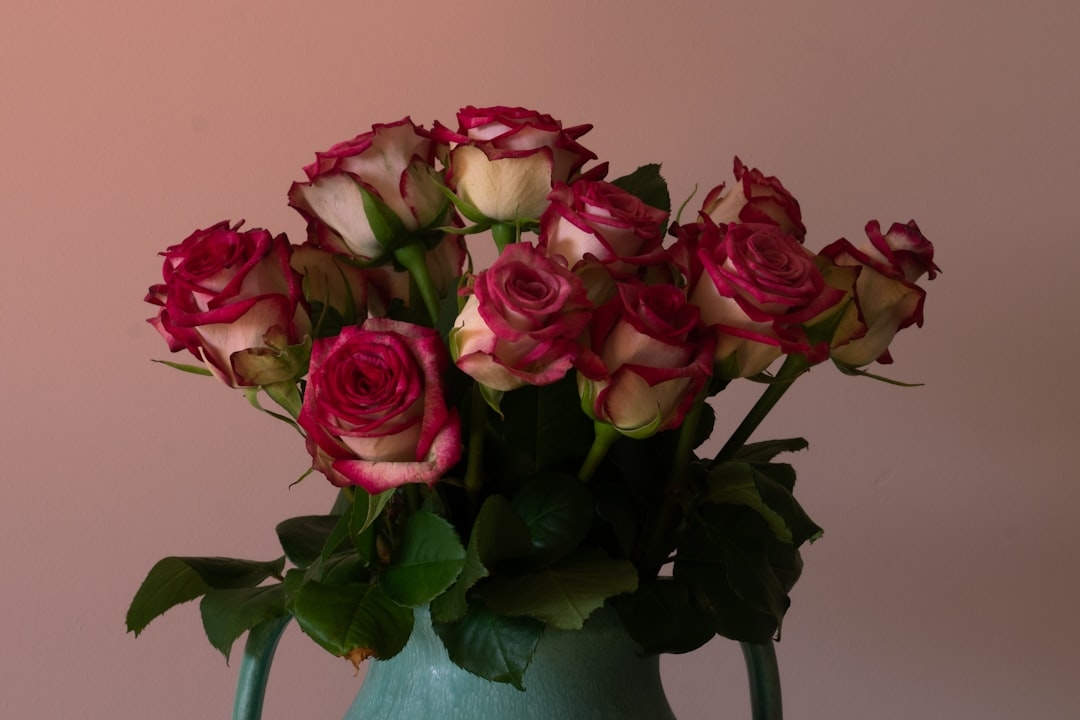
Wholesale markets like Sam’s Club or Costco sell roses by the bunch (typically 24–25 stems) for $18–$30, making DIY assembly genuinely affordable. If you’re building the arrangement yourself, factor in a few dollars for floral tape, a conditioning solution, and a sturdy vase.
The 15 Roses Meaning Across Cultures
In Russian and Eastern European tradition, even numbers of flowers are reserved for funerals. Fifteen — being odd — is therefore appropriate for living recipients and carries no morbid connotation. This rule is observed seriously enough that many Eastern European florists in US cities will proactively mention it when a customer orders an even-numbered bouquet.
In Korean flower culture, the number 15 doesn’t carry a fixed cultural meaning the way certain other numbers do (100 roses, for instance, mean “devoted love” in many Korean ceremonies). The meaning defaults to the universal language of gesture — the thought behind the count.
In mainstream American culture, fifteen roses most often signals that someone thought carefully. It’s not the default. That deliberateness is itself a message.
Frequently Asked Questions
What does it mean when someone gives you 15 roses?
Fifteen roses most commonly symbolize an apology or sincere regret, though they are also closely associated with quinceañera celebrations marking a girl’s 15th birthday. The specific meaning depends on cultural context, rose color, and the relationship between giver and recipient.
Is the 15 roses meaning romantic?
It can be. Fifteen red roses carry a romantic undertone, especially in an apology context within a relationship. However, fifteen roses are not exclusively romantic — they are equally appropriate for milestone celebrations, expressions of admiration, or formal gestures of gratitude.
What color roses should you give for a quinceañera?
Pink and white roses are the most traditional choices for a quinceañera ceremony. Pink conveys admiration and gentle affection; white represents purity and new beginnings. The fifteen roses are often presented one at a time during the ceremony itself.
How long will 15 cut roses last in a vase?
Properly conditioned cut roses last 7–10 days in a clean vase with fresh water and floral preservative. Change the water every two days, re-cut the stems at a 45-degree angle, and keep the arrangement away from direct sunlight and heating vents to maximize vase life.
Does the number of roses really matter?
In cultures where floriography is actively practiced — including many Eastern European, Latin American, and East Asian communities — yes, the count carries real significance. In mainstream American gifting, the number matters less doctrinally but signals thoughtfulness when it deviates from the standard dozen.
Next time you’re planning a meaningful floral gesture, consider growing your own cutting roses specifically for this purpose. Varieties bred for long stems and disease resistance — like ‘Ebb Tide’ (smoky lavender) or ‘Olivia Rose’ (soft pink) — produce reliable stems season after season in Zones 5–9. A small dedicated cutting garden of just three to five plants can yield fifteen quality stems within a single bloom cycle, making the gesture personal right down to the soil it grew in.