Contents:
- The Ancient Roots of Anemone Symbolism
- Core Meanings in Modern Anemone Symbolism
- What Different Anemone Colors Symbolize
- Red Anemones
- White Anemones
- Purple and Violet Anemones
- Pink Anemones
- Blue Anemones
- Anemones Across Cultures
- Using Anemone Symbolism in Arrangements and Occasions
- Practical Tips for First-Time Anemone Buyers
- Anemone Symbolism FAQ
- What do anemones symbolize in general?
- Are anemones good flowers for a funeral?
- What do anemones mean in the language of flowers?
- Are anemones associated with any specific holidays or occasions?
- Why are anemones called windflowers?
- Make the Meaning Your Own
Anemone symbolism spans over 3,000 years of human history — and yet most people buying these striking blooms at the flower market have no idea they’re carrying one of mythology’s most emotionally loaded flowers. With their bold, poppy-like petals and dramatic dark centers, anemones have meant everything from protection against evil to undying love to the fragility of life itself. Here’s what every petal is quietly saying.
The Ancient Roots of Anemone Symbolism
The anemone’s story starts in ancient Greece. According to mythology, the flower sprang from the tears of Aphrodite, goddess of love, as she mourned the death of Adonis. That origin story locked the anemone into a dual identity it has carried ever since: deep romantic love on one side, loss and sorrow on the other.
The name itself comes from the Greek word anemos, meaning “wind” — which is why anemones are often called windflowers. In ancient belief, the flower opened only when the wind blew, making it a symbol of anticipation and fleeting beauty. Something precious because it doesn’t last.
Victorian flower language — known as floriography — formalized these meanings in the 19th century. A single anemone sent in a bouquet meant “I await your love” or signaled a feeling of being forsaken. Context was everything, and receivers of flowers understood the code.
Core Meanings in Modern Anemone Symbolism
Today, anemone symbolism has evolved but stays rooted in its emotional richness. These are the main meanings florists and flower enthusiasts associate with anemones in the US market right now:
- Protection: In many European and Middle Eastern traditions, anemones were believed to ward off illness and bad luck. Carrying or planting them near the home was thought to offer a protective shield.
- Anticipation and expectation: Because windflowers only open in response to wind or shifting conditions, they became symbols of waiting — of something about to happen.
- Fragility and impermanence: Anemone blooms last only 5–7 days once cut, making them a living reminder that beautiful things are temporary.
- Undying love and sincerity: Despite their short vase life, anemones in red and deep purple carry intense romantic weight, often used in wedding florals to signal passionate, genuine love.
- Grief and remembrance: White anemones appear frequently in sympathy arrangements and memorial gardens, honoring their mythological connection to mourning.
What Different Anemone Colors Symbolize
Color is where anemone meaning gets genuinely nuanced. The same flower in a different shade sends an entirely different message.
Red Anemones
Red anemones are the most intensely romantic of the family. They signal passionate love and deep desire — appropriate for anniversaries, Valentine’s Day, or any moment you want to say something bold without words. Florists often pair them with white ranunculus or garden roses to balance the intensity.
White Anemones
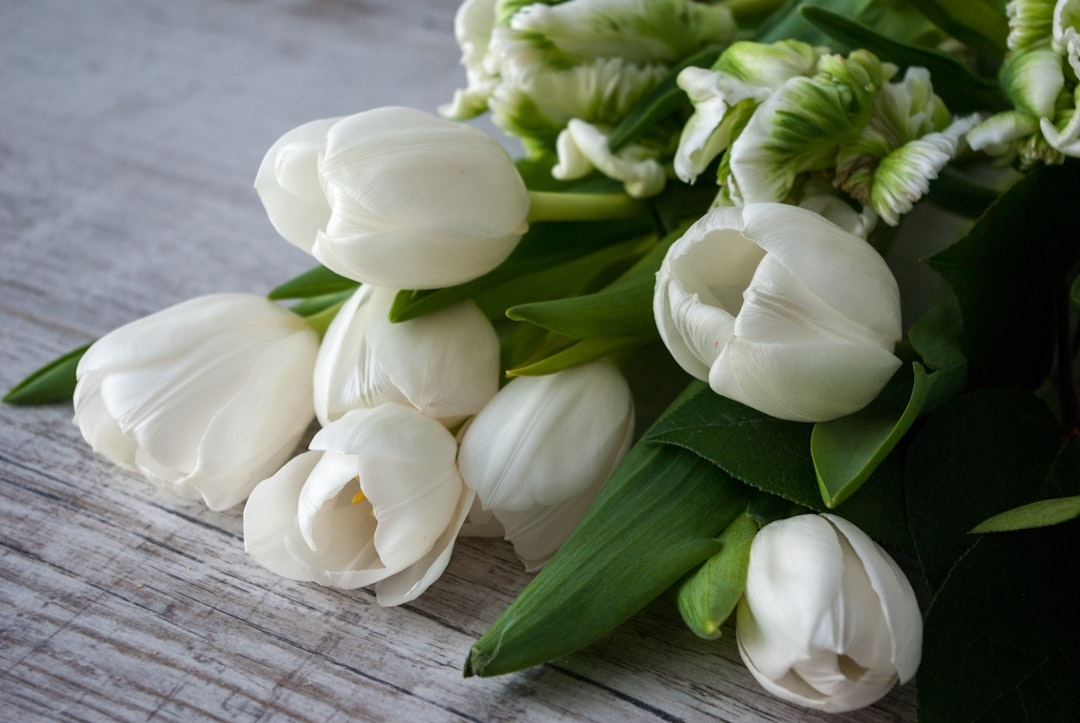
White signals purity, sincerity, and remembrance. White anemones are a staple in sympathy arrangements and are increasingly popular in minimalist wedding designs where the goal is elegance over extravagance. Their dark centers create a natural contrast that reads as striking even in an all-white palette.
Purple and Violet Anemones
Purple anemones carry themes of royalty, mystery, and deep spiritual connection. They’re commonly used in arrangements meant to convey admiration — think teacher appreciation gifts, milestone birthdays, or honoring someone whose wisdom you respect.
Pink Anemones
Pink sits at the gentler end of the spectrum — tender affection, new beginnings, and femininity. Pink anemones are a natural choice for baby showers, spring celebrations, and friendship bouquets where the tone is warm but not overwhelming.
Blue Anemones
Relatively rare in commercial growing, blue anemones symbolize trust, serenity, and calm. When you can find them — typically through specialty growers or in the Anemone coronaria ‘Mr. Fokker’ variety — they make a striking statement in blue-and-white coastal or Scandinavian-style arrangements.
Anemones Across Cultures
Anemone symbolism isn’t uniform around the world. In Chinese culture, the anemone is associated with death and is considered bad luck to bring indoors — a strong contrast to its romantic use in Western floristry. In parts of the Middle East, red anemones growing in the wild are linked to the blood of fallen soldiers, much like red poppies are in Western remembrance traditions.
In Christianity, the red spots on some anemone species were interpreted as drops of Christ’s blood, making the flower a symbol of the Passion and a natural fit for Easter floral arrangements in certain traditions.
🌸 What the Pros Know: When building a sympathy arrangement with white anemones, combine them with dusty miller and eucalyptus rather than baby’s breath. The silver-gray foliage amplifies the solemnity of the white blooms without looking dated. Retail cost for a 10-stem mixed sympathy arrangement using anemones typically runs $55–$85 at a US flower shop, compared to $45–$65 for standard carnation-based designs — the price difference reflects both seasonal availability and the anemone’s shorter conditioning window.
Using Anemone Symbolism in Arrangements and Occasions
Knowing what anemones mean is useful — but applying that knowledge is where things get exciting. Here’s how to match anemone symbolism to real occasions:
- Weddings: Red or deep burgundy anemones in bridal bouquets signal deep, sincere love. They’ve been a fixture in editorial wedding florals since around 2015 and remain strongly on-trend in 2026.
- Funerals and memorials: White anemones in wreaths or sympathy vases honor the connection between the flower and mythological grief without being heavy-handed.
- Housewarming gifts: A mixed anemone bouquet with a note referencing their protective symbolism makes a meaningful, story-rich gift that stands apart from generic tulips.
- Romantic gestures: A 12-stem bunch of red anemones ($18–$28 at most US grocery florists) delivers more emotional complexity than roses because of the layered mythology behind them.
According to Mariela Voss, a certified floral designer and owner of Bloom & Thorn Studio in Portland, Oregon: “Anemones are one of the few flowers where the symbolism actively enhances the gift. When I tell a customer that the ancient Greeks believed this flower grew from Aphrodite’s grief, their whole face changes. Suddenly it’s not just a pretty flower — it’s a story they’re giving someone.”
Practical Tips for First-Time Anemone Buyers
Understanding anemone symbolism is only useful if you can keep the flowers alive long enough to deliver the message. Anemones are more sensitive than roses or carnations, and a few simple steps make a real difference.
- Buy them in bud: Choose stems where the blooms are just starting to open — a closed or half-open bud will give you 2–3 extra days of vase life compared to a fully open flower.
- Use cold water: Anemones prefer water temperatures between 38–50°F. A cool room and fresh cold water every two days keeps them vibrant longer.
- Re-cut stems at an angle: Trim at least half an inch off the base at a 45-degree angle every time you change the water. This reopens the water uptake channel in the stem.
- Keep them away from fruit: Ethylene gas from ripening fruit (especially apples and bananas) accelerates petal drop in anemones faster than in most other cut flowers.
In the US, anemones are most widely available from October through May, with peak supply in February and March. Outside of those months, expect to pay a premium of 20–35% more per stem through wholesale or specialty florists.
Anemone Symbolism FAQ
What do anemones symbolize in general?
Anemones symbolize protection, anticipation, fragility, and love. Their meaning varies by color: red signals passionate love, white represents remembrance and sincerity, purple conveys admiration, and blue suggests trust and calm.
Are anemones good flowers for a funeral?
Yes. White anemones are widely used in sympathy and memorial arrangements. Their mythological link to the grief of Aphrodite over Adonis makes them culturally appropriate for honoring loss, and their clean aesthetic fits both traditional and modern funeral floral design.
What do anemones mean in the language of flowers?
In Victorian floriography, anemones meant anticipation, forsaken love, or “I await your affection.” The specific message depended on color and context. Today, the meaning has broadened to include protection and sincerity alongside those original romantic themes.
Are anemones associated with any specific holidays or occasions?
Anemones appear frequently in Valentine’s Day arrangements (red varieties), Easter florals (white and mixed varieties tied to Christian symbolism), and spring weddings. They are also a growing choice for Día de los Muertos altars in the US due to their association with remembrance.
Why are anemones called windflowers?
The name comes from the Greek word anemos, meaning wind. Ancient Greeks observed that anemone blooms appeared to open in response to the wind, creating the association between the flower and fleeting, wind-carried beauty.
Make the Meaning Your Own
The beauty of anemone symbolism is that it’s layered enough to fit almost any emotional occasion — and specific enough to feel intentional rather than generic. Whether you’re building a wedding bouquet, choosing a sympathy gift, or just buying something stunning for your own kitchen table, there’s a color and context that makes an anemone exactly right.
Next time you’re at a flower market or scrolling through an online florist, pick up a few stems and try building a small arrangement around a specific meaning. Start with a single color story — all white for remembrance, all red for passion — and notice how much more satisfying the result feels when the symbolism and the stems are aligned.