Contents:
- The Deep-Rooted History Behind Jasmine Symbolism
- Core Jasmine Gift Meaning: What the Flower Communicates
- Love and Romantic Desire
- Purity and Spiritual Grace
- Friendship and Warm Affection
- Good Luck and New Beginnings
- Does Jasmine Color Change the Meaning?
- How to Care for a Gifted Jasmine Plant (So It Keeps Giving)
- Light and Temperature
- Watering and Soil
- Encouraging Blooms
- Quick Cost Breakdown: Jasmine as a Gift
- Common Mistakes to Avoid When Giving or Interpreting Jasmine
- Responding to a Jasmine Gift: Practical Tips
- FAQ: Jasmine Gift Meaning
- What does it mean when someone gives you jasmine flowers?
- Is jasmine a romantic flower?
- What does jasmine symbolize in different cultures?
- What does a white jasmine flower mean as a gift?
- How long do gifted jasmine flowers last?
- Make Your Jasmine Gift Count for Years
Receiving jasmine as a gift is never accidental — this flower carries one of the richest symbolic vocabularies in the plant kingdom, and whoever handed it to you almost certainly meant something by it. The jasmine gift meaning stretches across cultures, centuries, and continents, from Persian poetry to Chinese tea ceremonies to Victorian-era romance. Whether it arrived as a single stem, a potted plant, or woven into a garland, jasmine speaks a language worth understanding.
Here’s what that fragrant little blossom is actually saying — and how to respond to it.
The Deep-Rooted History Behind Jasmine Symbolism
Jasmine (Jasminum spp.) has been cultivated for over 3,000 years. Its name traces back to the Persian word yasmin, meaning “gift from God.” That etymology alone tells you something: people have always treated this plant as something extraordinary.
In ancient India, jasmine was called the “Queen of the Night” for its intoxicating fragrance that intensifies after sunset. Hindu traditions wove it into bridal garlands and temple offerings. In China, jasmine blossoms were layered into green tea leaves — a practice dating to the Song Dynasty (960–1279 AD) — as a symbol of feminine grace and purity. Meanwhile, in the Victorian language of flowers (floriography), gifting jasmine communicated amiability and elegance.
This cross-cultural reverence isn’t coincidence. Jasmine’s scent contains linalool and benzyl acetate, compounds that research has shown reduce anxiety and promote positive mood. When someone gives you jasmine, they’re gifting you something that literally affects your brain chemistry. That’s meaningful on every level.
Core Jasmine Gift Meaning: What the Flower Communicates
The symbolism shifts slightly depending on context, but jasmine almost always orbits a few central themes.
Love and Romantic Desire
White jasmine (Jasminum polyanthum) is most commonly associated with romantic love — not the passionate, red-rose kind, but something deeper and more enduring. Think devotion, tenderness, and long-term affection. In Pakistan, jasmine is the national flower and is routinely exchanged between couples as a pledge of fidelity. If someone gave you white jasmine, they’re likely expressing a gentle but sincere romantic feeling.
Purity and Spiritual Grace
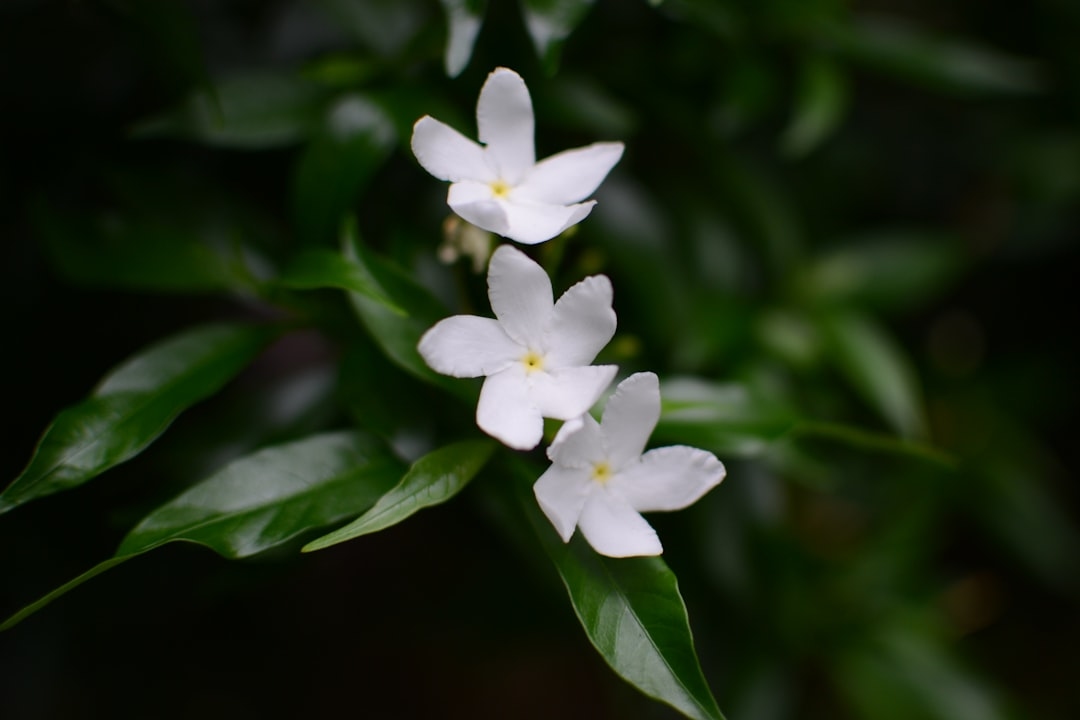
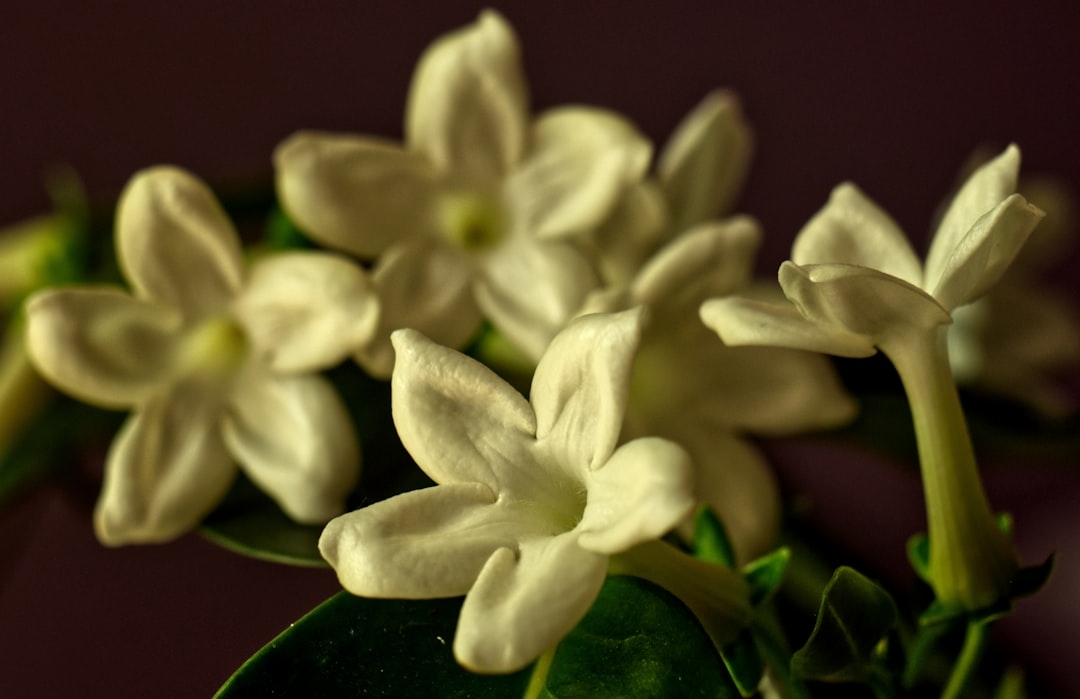
The star-shaped white blossoms have long represented purity of heart and spirit. This is why jasmine appears so frequently at weddings — not just as decoration, but as a deliberate symbol of the clean slate a new relationship represents. If you received jasmine from a family member or a mentor, this spiritual dimension is probably what they had in mind.
Friendship and Warm Affection
Not all jasmine gifts are romantic. Yellow jasmine (Jasminum humile) traditionally signals warmth, happiness, and platonic affection. A coworker or close friend gifting you a yellow jasmine plant is saying: “I value you, I’m rooting for you, and I’m glad you’re in my life.” It’s a cheerful, uncomplicated message.
Good Luck and New Beginnings
In several Southeast Asian cultures, jasmine signals good fortune and fresh starts. It’s frequently given at graduations, business openings, and housewarming events. If your timing aligns with a milestone, that’s almost certainly the intention behind the gesture.
Does Jasmine Color Change the Meaning?
Yes — and this matters more than most people realize.
- White jasmine: Love, purity, spiritual beauty, and grace. The most common gift variety.
- Yellow jasmine: Happiness, optimism, and friendship. Also associated with new beginnings.
- Pink jasmine (Jasminum polyanthum): Romance with a playful edge. Often gifted early in a relationship.
- Arabian jasmine (Jasminum sambac): Sacred love and reverence. Common in religious and ceremonial contexts across South and Southeast Asia.
If you’re not sure which variety you received, check the leaf shape. Jasminum polyanthum has feathery, pinnate leaves with 5–9 leaflets. Jasminum sambac has rounder, simpler leaves and a more intense, heady fragrance.
How to Care for a Gifted Jasmine Plant (So It Keeps Giving)
If your jasmine arrived as a living plant rather than cut flowers, treat it as the meaningful gesture it is — and keep it thriving. Potted jasmine plants retail for $12–$35 at most US garden centers; a well-cared-for specimen can bloom for 10–15 years.
Light and Temperature
Most jasmine varieties want at least 4–6 hours of bright, indirect sunlight daily. A south- or west-facing window works well indoors. Outdoors, jasmine is hardy in USDA Zones 7–10 for most species. If you’re in a colder zone, keep it in a container so you can bring it inside before temperatures drop below 40°F.
Watering and Soil
Water when the top inch of soil feels dry to the touch — about every 5–7 days in summer, less in winter. Jasmine prefers well-draining soil with a pH of 6.0–7.0. A standard potting mix amended with 20% perlite keeps roots healthy and prevents rot.
Encouraging Blooms
Want it to flower generously? Give it a phosphorus-heavy fertilizer (like a 5-10-5 blend) every 4–6 weeks during the growing season (March through September). Pinching back new growth by about one-third in early spring encourages bushier growth and more blooms.
Quick Cost Breakdown: Jasmine as a Gift
Understanding what someone spent can add context to the gesture itself.
- Cut jasmine stems (florist bouquet): $18–$45 depending on stem count and arrangement complexity
- Potted jasmine plant (4″ pot): $12–$20 at garden centers or Trader Joe’s-style grocery stores
- Potted jasmine plant (6–8″ pot, mature): $25–$50
- Jasmine garland (South Asian floral markets): $5–$15 per strand
- Luxury jasmine arrangement (floral delivery service): $65–$120+
A delivered bouquet in the $65–$120 range signals that the giver put real thought and investment into the gesture. A simple potted plant from a grocery store can be equally meaningful — sometimes more so, since it’s something that grows and lasts.
Common Mistakes to Avoid When Giving or Interpreting Jasmine
A few missteps can muddy the message on both ends of the gift.
- Confusing jasmine with mock orange or star jasmine: Trachelospermum jasminoides (star jasmine) is a completely different genus. It smells similar but carries no traditional symbolic weight. Real jasmine belongs to the genus Jasminum.
- Giving yellow jasmine in a romantic context: In the US, yellow flowers can sometimes read as “just friends.” Be intentional about variety if your feelings are romantic.
- Ignoring cultural context: In some regions of West Africa, jasmine is primarily associated with mourning. If your gift-giver has roots in that tradition, the interpretation might differ.
- Letting a potted gift die immediately: If someone gave you a living jasmine plant, neglecting it within weeks sends an unintentional message. Give it the 10 minutes of weekly attention it needs.
- Assuming all white flowers mean the same thing: White jasmine ≠ white lily ≠ white rose. Each has distinct symbolism. Jasmine specifically emphasizes warmth and grace rather than grief or passion.
Responding to a Jasmine Gift: Practical Tips
Now that you know what jasmine likely means, here’s how to respond in a way that honors the gesture.
- Acknowledge the scent: Jasmine’s fragrance is its superpower. Commenting on it — “this smells incredible” — validates the giver’s choice in a specific, genuine way.
- Ask about the variety: If the giver is a plant person, asking which species they chose opens a warm conversation and shows you care about the details.
- Give it a visible spot: If it’s a living plant, placing it somewhere prominent (not a back shelf) signals that you value the gift.
- Return the gesture thoughtfully: If you want to reciprocate, a jasmine-scented candle ($18–$30) or a jasmine green tea sampler ($15–$25) echoes the original theme without duplicating the gift.
FAQ: Jasmine Gift Meaning
What does it mean when someone gives you jasmine flowers?
Jasmine flowers typically symbolize love, purity, friendship, or good luck depending on the color and context. White jasmine most often signals romantic affection or spiritual grace, while yellow jasmine represents platonic warmth and happiness.
Is jasmine a romantic flower?
Yes, particularly white and pink jasmine varieties. However, jasmine can also represent deep friendship or blessings, especially when given by family members or at milestone events like graduations or housewarming parties.
What does jasmine symbolize in different cultures?
In India, jasmine symbolizes divine love and is used in religious ceremonies and weddings. In China, it represents feminine grace. In Pakistan, it is the national flower and a symbol of fidelity. In Victorian floriography, it signified amiability and elegance.
What does a white jasmine flower mean as a gift?
White jasmine represents purity, enduring love, and spiritual beauty. It is one of the most common jasmine varieties gifted romantically or at ceremonial events like weddings and religious celebrations.
How long do gifted jasmine flowers last?
Cut jasmine stems typically last 5–7 days in a vase with fresh water changed every 2 days. A potted jasmine plant, properly cared for, can live and bloom for 10–15 years — making it one of the most enduring gifts you can receive.
Make Your Jasmine Gift Count for Years
Now that you understand the jasmine gift meaning — and the history, intention, and care behind it — you’re equipped to honor the gesture fully. Whether it was a whisper of romance, a shout of friendship, or a quiet blessing on a new chapter of your life, jasmine earns its reputation as one of the most intentional flowers anyone can give.
If you’ve received a potted plant, this weekend is a great time to repot it into a 2-inch larger container with fresh soil, give it a south-facing window, and watch it respond. In a few weeks, those tiny white stars will open up and fill your space with something that no synthetic fragrance can replicate. That’s the gift still giving — exactly as intended.