Contents:
- The History Behind Newspaper-Wrapped Flowers
- Newspaper Wrapped Bouquet Meaning: What It Really Signals
- Spontaneity and Sincerity
- Artistic or Bohemian Sensibility
- A Nod to Cultural Roots
- Eco-Conscious Gifting
- The Eco-Friendly Angle You Might Not Have Considered
- Common Mistakes to Avoid When Wrapping or Gifting Newspaper Bouquets
- Practical Tips for DIY Enthusiasts Who Want to Recreate This Look
- Choose the Right Paper
- The Classic Cone Wrap in 4 Steps
- Layer for Effect
- Frequently Asked Questions
- What does a newspaper wrapped bouquet mean as a gift?
- Is wrapping flowers in newspaper a cultural tradition?
- Does newspaper damage flowers?
- Is a newspaper wrapped bouquet considered cheap or thoughtful?
- Can I reuse the newspaper wrapping?
- Try It Yourself This Weekend
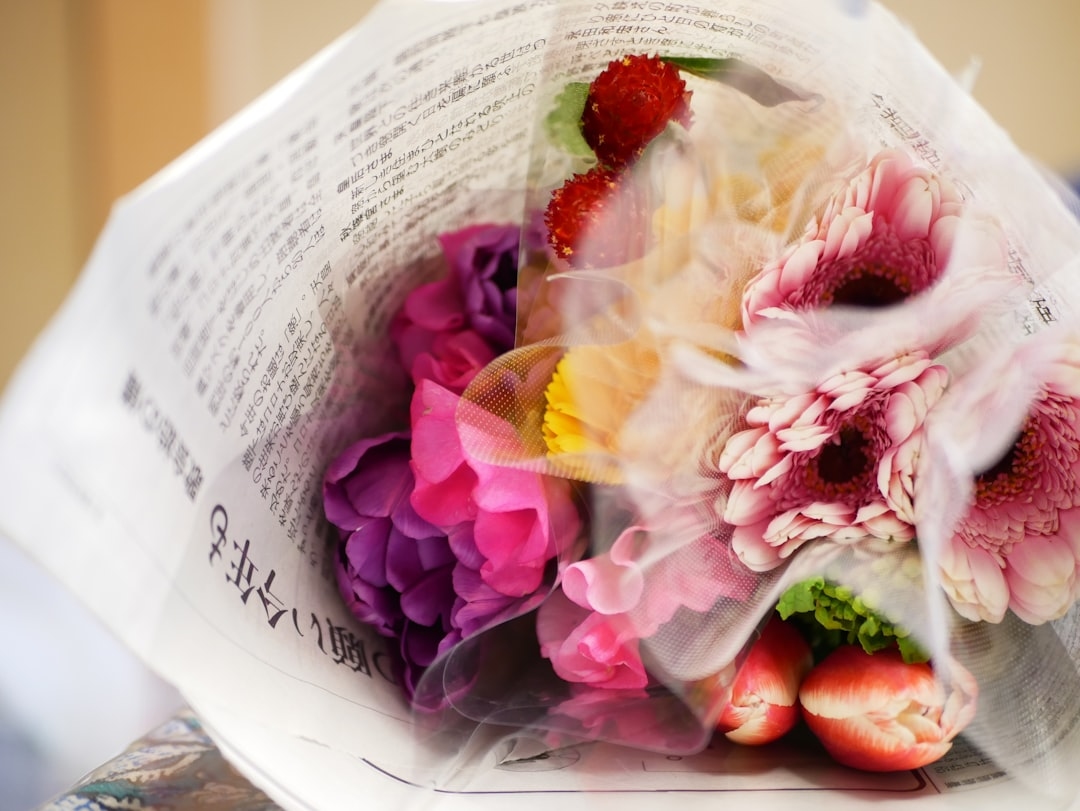
Here’s something most people don’t know: newspaper-wrapped flowers have been a florist staple in Europe for over 150 years, long before cellophane or kraft paper ever touched a stem. So when someone hands you a bouquet bundled in yesterday’s headlines, you’re not receiving a last-minute gift — you’re holding a piece of floral history. The newspaper wrapped bouquet meaning runs deeper than it looks.
Whether it came from a farmers market vendor, a thoughtful friend, or someone who clearly raided their recycling bin with the best of intentions, that crinkled newsprint wrapping says something. Something real. And figuring out exactly what can tell you a lot about the person who gave it to you.
The History Behind Newspaper-Wrapped Flowers
Long before florists had access to plastic sleeves and decorative tissue, newspaper was the go-to wrapping material across Europe and Asia. In countries like the Netherlands — the world’s largest flower exporter, shipping over 8 billion stems annually — newspaper-wrapped bouquets were standard market fare. The paper protected delicate petals during transport, absorbed excess moisture, and kept stems bundled without bruising.
In South Korea, the practice evolved into an art form. Florists there pioneered what’s now called “hand-tied” bouquets wrapped in kraft or newsprint, influencing the global aesthetic you see all over Instagram and Pinterest today. The rustic, unpolished look became aspirational rather than accidental.
In the US, cellophane and foam became dominant by the 1970s, pushing newspaper wrapping to the cultural margins. But it never disappeared. Farm stands, independent florists, and DIY flower enthusiasts kept the tradition alive — and in the last decade, it’s made a full comeback as part of the broader “organic” and “artisan” aesthetic movement.
Newspaper Wrapped Bouquet Meaning: What It Really Signals
The wrapping on a bouquet isn’t just packaging — it’s context. Here’s what a newspaper-wrapped bouquet typically communicates, depending on the situation.
Spontaneity and Sincerity
A newspaper-wrapped bouquet often signals an impulse. Someone saw flowers, thought of you, and grabbed them without overthinking the presentation. That’s actually a compliment. It means you were on their mind before they had time to arrange anything fancy. The lack of polish is the point — it’s genuine.
Artistic or Bohemian Sensibility
If the person who gave you the bouquet is creative, environmentally conscious, or follows floral design trends, newspaper wrapping is a deliberate aesthetic choice. It’s the floral equivalent of raw denim or exposed brick — intentionally unfinished, visually textured, and quietly sophisticated. Many professional florists now charge a premium for this “market style” look, with hand-tied newspaper bouquets running $45–$85 at boutique shops in cities like Portland, Brooklyn, and Austin.
A Nod to Cultural Roots
For many immigrant families and communities with European or East Asian heritage, newspaper-wrapped flowers are simply how flowers come. There’s no hidden meaning — it’s tradition. If someone from that background gives you a newspaper bouquet, it may be the highest-compliment presentation they know: fresh, direct, and from the market that morning.
Eco-Conscious Gifting
Sustainability is reshaping how people think about flowers. Conventional floral wrapping — dyed tissue, plastic sleeves, foam backing — generates significant waste. Newspaper, by contrast, is compostable, already used, and requires zero additional production. Giving a newspaper-wrapped bouquet is increasingly a values statement. It says: I care about what this costs the planet, not just what it costs at the register.
The Eco-Friendly Angle You Might Not Have Considered
The floral industry produces an estimated 40% waste rate on cut flowers sold in the US — petals that wilt before purchase, stems trimmed at point of sale, and mountains of plastic packaging that ends up in landfills. Newspaper wrapping sidesteps a meaningful chunk of that waste.
If you’re a DIY enthusiast making your own arrangements — from your garden, a CSA flower share, or a wholesale market — newspaper is one of the smartest wrapping choices you can make. A single broadsheet page wraps a medium bouquet neatly, costs nothing, and composts in about 6 weeks. Compare that to a plastic bouquet sleeve, which persists in a landfill for up to 450 years.
Some eco-minded gifters even choose specific pages intentionally — the arts section, a travel spread, or a page with meaningful headlines — turning the wrapping itself into a small, personal message.
Common Mistakes to Avoid When Wrapping or Gifting Newspaper Bouquets
- Using wet or damp newspaper: It tears easily and leaves ink smudges on petals. Always use dry sheets and keep stems wrapped in a damp paper towel separately inside.
- Over-wrapping the blooms: The flowers should be visible above the newspaper cone. If you’ve mummified the bouquet, you’ve lost the visual impact. Leave at least 4–5 inches of stem and flower exposed above the wrap line.
- Ignoring ink transfer: Standard newspaper ink can stain light-colored petals. For white or cream flowers, use pages with minimal ink coverage, or choose a vintage-style craft paper instead.
- Skipping the taper: A proper newspaper wrap tapers at the bottom to funnel the stems and flares at the top to cradle the blooms. Straight tubes look sloppy and don’t hold well.
- Forgetting a water source: If the bouquet will travel more than 20 minutes, wrap a small wet cotton ball or damp paper towel around the stem ends before wrapping in newspaper. Flowers can lose up to 30% of their hydration in an hour of dry transport.
Practical Tips for DIY Enthusiasts Who Want to Recreate This Look
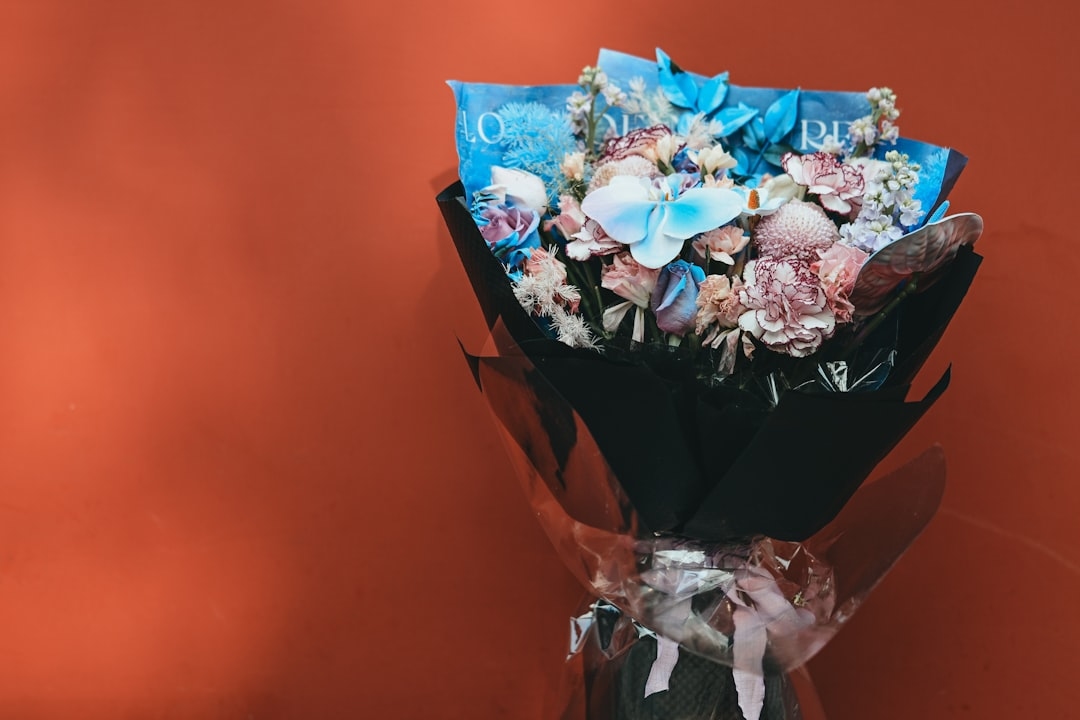
If you’ve received a newspaper-wrapped bouquet and want to return the gesture — or just want to gift your garden flowers in style — here’s how to do it well.
Choose the Right Paper
Broadsheet newspapers (like the New York Times or Washington Post) give you the most surface area and wrap a standard 12-stem bouquet with one full sheet. Tabloid-size pages work for smaller posies of 5–7 stems. Avoid glossy magazine pages — they don’t absorb moisture and tend to slip.
The Classic Cone Wrap in 4 Steps
- Lay the newspaper sheet diagonally on a flat surface.
- Place the bouquet stems at the lower corner of the sheet, angled toward the upper right.
- Roll the lower-left corner up and over the stems, then wrap the right side across and tuck.
- Secure with twine, a rubber band, or a strip of washi tape about 2 inches above the cut stem ends.
Layer for Effect
Two layers of newspaper — one slightly offset from the other — creates a more structured, intentional look. You can also combine newspaper with a single sheet of kraft paper on the outside for a cleaner finish that still reads as artisan rather than accidental.
Frequently Asked Questions
What does a newspaper wrapped bouquet mean as a gift?
A newspaper wrapped bouquet typically signals spontaneity, sincerity, or an intentional eco-friendly aesthetic. It often means the giver prioritized getting you flowers over perfecting the packaging — which is usually a genuine, heartfelt impulse.
Is wrapping flowers in newspaper a cultural tradition?
Yes. In many European countries, especially the Netherlands, Germany, and France, as well as parts of East Asia including South Korea and Japan, newspaper-wrapped bouquets are standard market and florist presentation. It’s a long-standing tradition rather than a shortcut.
Does newspaper damage flowers?
Dry newspaper doesn’t damage flowers. Wet newspaper can transfer ink to petals and weaken the wrap. Keep stems hydrated separately with a damp paper towel inside the wrap, and use dry sheets on the outside.
Is a newspaper wrapped bouquet considered cheap or thoughtful?
Context matters, but broadly: no. In many design-forward and sustainability-conscious communities, newspaper wrapping is a premium, intentional choice. Boutique florists in major US cities sell market-style newspaper bouquets for $45–$85 precisely because the look is in demand.
Can I reuse the newspaper wrapping?
Absolutely. If the paper is dry and undamaged, it can be reused for another wrap, used as packing material, or composted. It’s one of the reasons newspaper wrapping is considered a low-waste alternative to plastic floral packaging.
Try It Yourself This Weekend
The next time you cut stems from your garden or pick up a bunch at the farmers market, skip the cellophane. Grab a broadsheet, practice the cone wrap, and see how it feels to give something that looks intentional because it is. The newspaper wrapped bouquet meaning is ultimately about stripping away formality and letting the flowers — and the gesture — speak for themselves.
And if you’re on the receiving end? Keep the wrapping. Press a flower from the bouquet between the pages. It’s already halfway to a keepsake.