Contents:
- Why Succulents Have Become a Go-To Gift
- The Core Symbolism Behind a Succulent Gift
- Endurance and Resilience
- Lasting Love and Devotion
- Thoughtful Minimalism
- A Reader Story That Puts It in Perspective
- Succulent Gift Meaning vs. Sending Flowers: What’s the Difference?
- What the Type of Succulent Might Signal
- Practical Tips If You’re Thinking About Gifting a Succulent
- FAQ: Succulent Gift Meaning and Symbolism
- What does it mean when someone gives you a succulent?
- Is a succulent a romantic gift?
- What does a cactus gift mean specifically?
- Is it appropriate to give a succulent as a sympathy gift?
- What does a jade plant gift symbolize?
- What to Do With This Knowledge
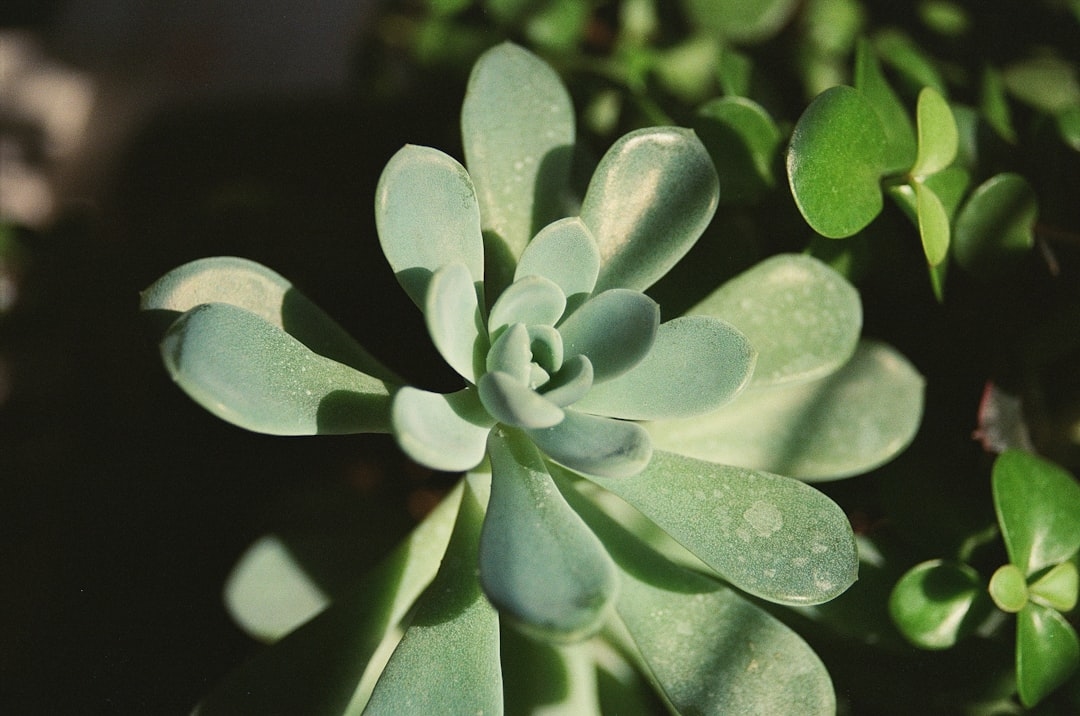
You come home to find a small, perfectly potted echeveria sitting on your doorstep — no note, just a little plant with thick, rosette-shaped leaves catching the afternoon light. Or maybe a friend hands you a tiny cactus wrapped in kraft paper at a birthday dinner, grinning like they’ve given you something deeply meaningful. Sound familiar? You’re not imagining it. The succulent gift meaning runs deeper than most people realize, and unwrapping it says a lot about the person who sent it.
Why Succulents Have Become a Go-To Gift
Succulents have exploded in popularity over the last decade. According to the National Gardening Association, houseplant sales in the US grew by over 50% between 2016 and 2019, with succulents consistently ranking among the top three most gifted plant varieties. They’re affordable — a quality 4-inch potted succulent typically runs between $8 and $20 at most garden centers — they’re low-maintenance, and they last far longer than a bouquet of cut flowers.
But beyond practicality, there’s a whole layer of symbolism that most gift recipients never stop to consider. Plants carry meaning the way flowers always have. Succulents are no different.
The Core Symbolism Behind a Succulent Gift
Succulents store water in their leaves, stems, and roots. That biological trait — the ability to hold onto what nourishes them and thrive even in dry, difficult conditions — is exactly where their symbolic meaning comes from.
Endurance and Resilience
When someone gives you a succulent, one of the most common messages behind it is you are strong. These plants survive drought, neglect, and extreme heat. Gifting one to a friend going through a hard time — a breakup, a job loss, a move across the country — is a quiet way of saying: “You’re tougher than this season. You’ll come through it.”
Lasting Love and Devotion
In the Victorian language of flowers (floriography), succulents represented timeless affection. Unlike roses that wilt within a week, a succulent can live for years — even decades — with proper care. Some Aloe vera plants live 12 years or longer indoors. Sending one as a romantic gesture carries the implication that the giver’s feelings aren’t fleeting. They’re in it for the long haul.
Thoughtful Minimalism
There’s also a modern interpretation: succulents signal intentionality without excess. The person who sends you one isn’t trying to overwhelm you. They want to give you something alive, something that grows, without making it complicated. It’s a considered, quiet gift — which says something about how they see you.
A Reader Story That Puts It in Perspective
A woman named Priya, a teacher in Portland, Oregon, shared this: after her mother passed away, her closest colleague left a small haworthia on her desk with a card that simply read, “Still here.” No grand gesture, no elaborate sympathy arrangement. Just a little plant that required almost nothing from Priya — which was exactly the point. Her colleague understood she had nothing to give right then, and wanted to offer something that would survive even if Priya forgot to water it for two weeks. That succulent sat on Priya’s desk for three years. She says she still thinks of it as the kindest gift she ever received.
That story captures what a succulent often communicates better than words can: I see you, I’m not asking anything of you, and I believe you’ll be okay.
Succulent Gift Meaning vs. Sending Flowers: What’s the Difference?
People often compare succulents to cut flowers as gifts, but they carry distinct messages. A bouquet of flowers — say, a dozen red roses or a mixed arrangement from a local florist — is expressive and immediate. It says “right now, in this moment, I feel something big.” The beauty peaks within days and then fades, which mirrors the intensity of the emotion.
A succulent says something different entirely. It’s patient. It says “I’m thinking about your future, not just today.” If someone sends you flowers, they’re celebrating a moment. If they send you a succulent, they’re investing in your ongoing story. Both are meaningful — but they speak different emotional languages. Choose based on what message you actually want to send.
What the Type of Succulent Might Signal
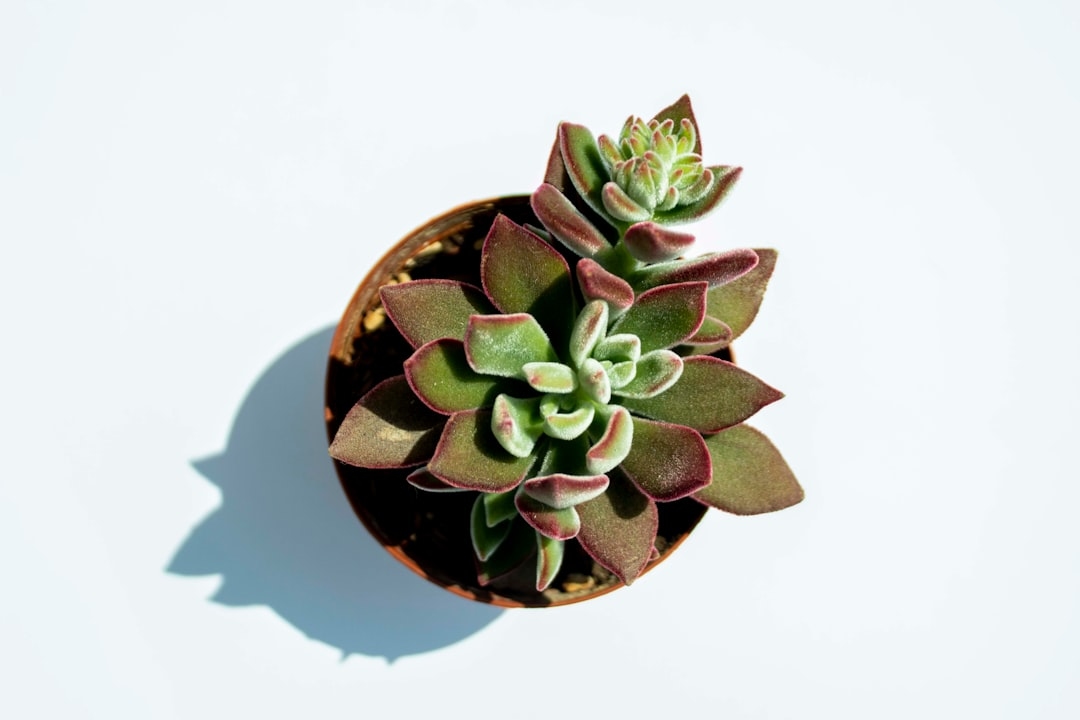
Not all succulents carry the same nuance. The variety chosen can add another layer of meaning:
- Echeveria (the classic rosette shape): Often associated with beauty and elegance. A popular choice for romantic or aesthetic-leaning gifts.
- Aloe vera: Linked to healing and protection. A thoughtful option for someone recovering from illness or emotional difficulty.
- Jade plant (Crassula ovata): Traditionally connected to good luck and financial prosperity in many Asian cultures. Common as a housewarming or new business gift.
- Cactus: A playful signal of toughness and humor. Often gifted between close friends with an inside-joke sensibility.
- Haworthia: Low-light tolerant and nearly indestructible — a gentle way of saying “I know you’re busy, but I still wanted to give you something living.”
Practical Tips If You’re Thinking About Gifting a Succulent
If you’re on the sending end and want your succulent gift to land with impact, a few specific choices make all the difference:
- Choose a pot with drainage. Succulents die most often from overwatering. A pot with at least one drainage hole signals that you did your homework and actually care about the plant surviving.
- Include a care card. Even a handwritten note saying “Water once every 10–14 days, bright indirect light” removes the guesswork for beginners and shows attentiveness.
- Match the plant to the person’s lifestyle. Someone who travels frequently? Go with a haworthia or a gasteria — both handle two to three weeks without water without issue. A homebody with a sunny windowsill? An echeveria or sedum will thrive.
- Consider delivery timing. Most online succulent retailers — like The Sill, Bloomscape, or Mountain Crest Gardens — ship with heat packs in winter for an additional $3–$5. Always check shipping conditions before ordering in January or February to the Midwest or Northeast.
FAQ: Succulent Gift Meaning and Symbolism
What does it mean when someone gives you a succulent?
Giving a succulent typically symbolizes endurance, lasting affection, or thoughtful care. The plant’s ability to thrive in tough conditions makes it a natural symbol of resilience and long-term devotion.
Is a succulent a romantic gift?
Yes, a succulent can be romantic. Because succulents live for years, gifting one implies the sender’s feelings are enduring rather than temporary. It’s a subtler romantic gesture than flowers but often more meaningful in long-term relationships.
What does a cactus gift mean specifically?
A cactus gift often carries a playful or humorous tone — it can mean “you’re tough,” “you can handle anything,” or simply reflect a quirky, affectionate friendship. It’s less traditionally romantic and more personality-driven than other succulents.
Is it appropriate to give a succulent as a sympathy gift?
Absolutely. Succulents make excellent sympathy gifts because they require minimal care and represent resilience. A haworthia or aloe vera is especially fitting — both are nearly indestructible and carry connotations of healing and strength.
What does a jade plant gift symbolize?
A jade plant is traditionally associated with good luck, prosperity, and positive energy, particularly in Chinese and Japanese cultures. It’s a popular housewarming or congratulatory gift, especially for new homeowners or entrepreneurs starting a business.
What to Do With This Knowledge
The next time a succulent lands in your hands, take a moment before you set it on the windowsill. Consider who sent it and what they might have been quietly trying to say. And if you’ve been searching for the right way to tell someone you’re proud of them, rooting for them, or simply that you’re still here — a small, living plant might say it better than any card ever could. The succulent gift meaning is ultimately about permanence: a reminder that some things, and some people, are built to last.