Contents:
- The History Behind Morning Glory Symbolism
- What Morning Glory Symbolism Means by Color
- Blue Morning Glory
- Purple Morning Glory
- Pink Morning Glory
- White Morning Glory
- Morning Glory Meaning for Weddings and Events
- Using Morning Glories in Funeral Arrangements
- Practical Tips for Using Morning Glories
- Morning Glory Symbolism in Tattoos and Art
- Frequently Asked Questions About Morning Glory Symbolism
- What does a morning glory symbolize in general?
- Are morning glories appropriate for funerals or sympathy gifts?
- What does a blue morning glory mean specifically?
- Can morning glories be used in wedding bouquets?
- What is the spiritual meaning of morning glories?
- Ready to Plant a Meaning-Filled Garden or Arrangement?
Morning glories might be the most emotionally honest flower in existence. They bloom brilliantly at sunrise and close by afternoon — a built-in reminder that beauty doesn’t last forever, and that’s exactly what makes it worth noticing. No wonder cultures across centuries have attached such rich meaning to them.
If you’re planning a wedding, a memorial, a graduation bouquet, or even just a garden with intention behind it, understanding morning glory symbolism can help you make a choice that actually says something. Here’s everything you need to know, from ancient symbolism to modern floral design.
The History Behind Morning Glory Symbolism
Morning glories (Ipomoea purpurea and related species) have been cultivated for over 3,000 years. In China, they were associated with a single annual meeting between two lovers — the stars Vega and Altair — making them a symbol of precious, once-a-year love. That’s a remarkably specific origin story for a flower you can buy at any garden center for about $3 a seed packet.
In Japan, morning glories (called asagao) were introduced in the 9th century for medicinal use and eventually became cultural icons tied to summer, impermanence, and the Buddhist concept of mono no aware — the bittersweet awareness that all things pass. The Edo period (1603–1868) saw elaborate morning glory breeding competitions, with rare varieties fetching the equivalent of thousands of dollars.
Victorian England codified the meaning further. In the language of flowers — known as floriography — morning glories represented “affection” and “mortality,” a pairing that sounds grim but is actually quite poetic. Love is real. It ends. Both truths matter.
Indigenous peoples in parts of Central America, where the plant originates, used morning glory seeds in spiritual ceremonies. The seeds of certain species contain naturally occurring compounds that were incorporated into rituals involving vision and transformation — reinforcing the symbolic theme of crossing thresholds and beginning anew.
What Morning Glory Symbolism Means by Color
Color is where morning glory symbolism gets genuinely useful for event planning. Each hue carries a distinct emotional register, and choosing intentionally can elevate your arrangement from pretty to meaningful.
Blue Morning Glory
Blue varieties — like the beloved ‘Heavenly Blue,’ which grows up to 10 feet in a single season — symbolize trust, calm, and open communication. They’re an excellent choice for weddings where the couple wants to signal a partnership built on clarity and loyalty. Blue morning glories also work beautifully in sympathy arrangements, suggesting peaceful transition.
Purple Morning Glory
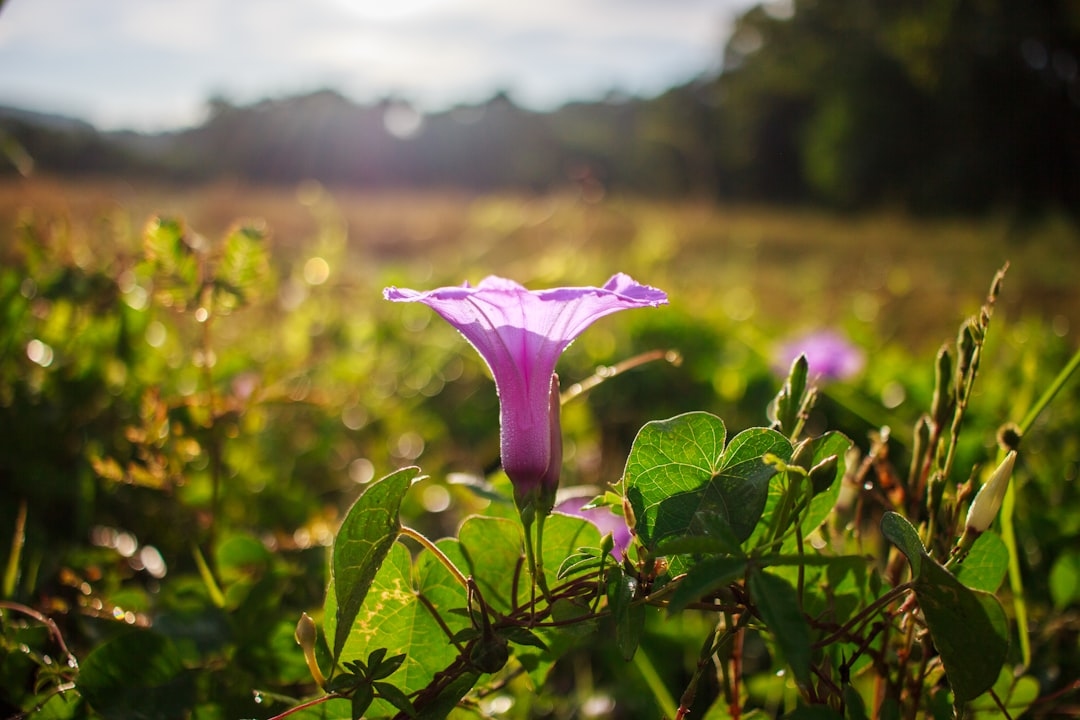
Purple carries associations with dignity, spirituality, and admiration. In floriography, purple flowers generally nod to reverence. A memorial garden planted with purple morning glories makes a quiet but powerful statement about the stature of the person being honored.
Pink Morning Glory
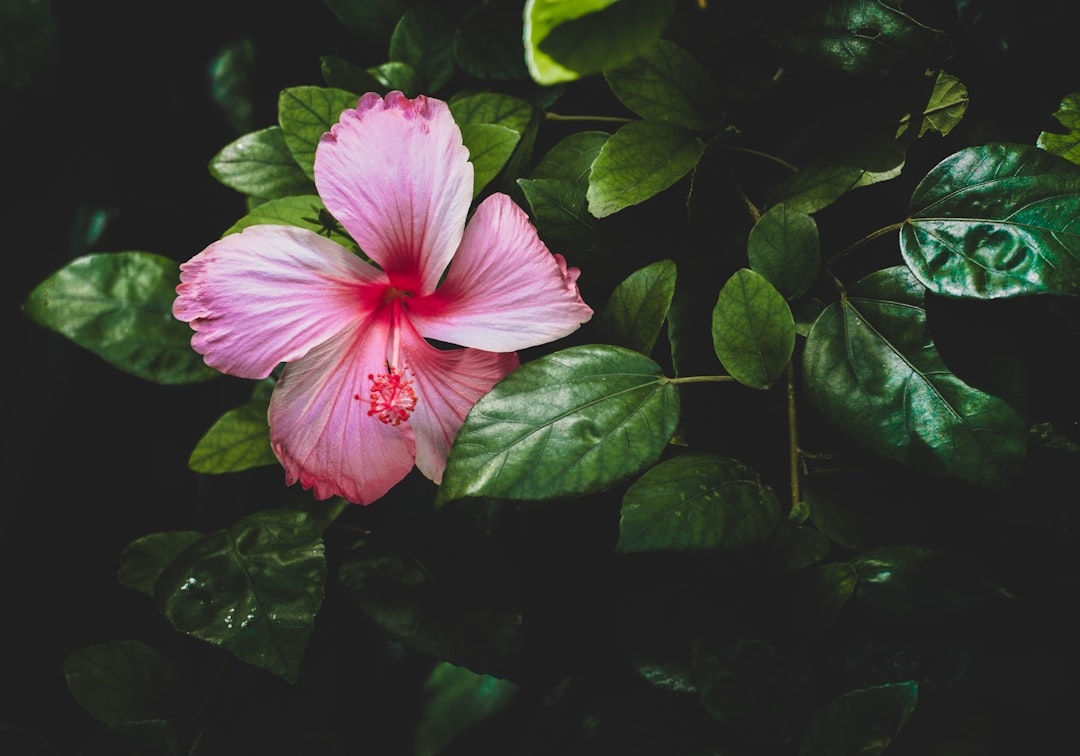
Pink leans romantic and tender. It’s the softest expression of love — appropriate for anniversaries, bridal showers, or a garden dedicated to a new relationship. Pink varieties like ‘Scarlett O’Hara’ (which is actually a deep rose-red) bloom prolifically from July through the first frost.
White Morning Glory
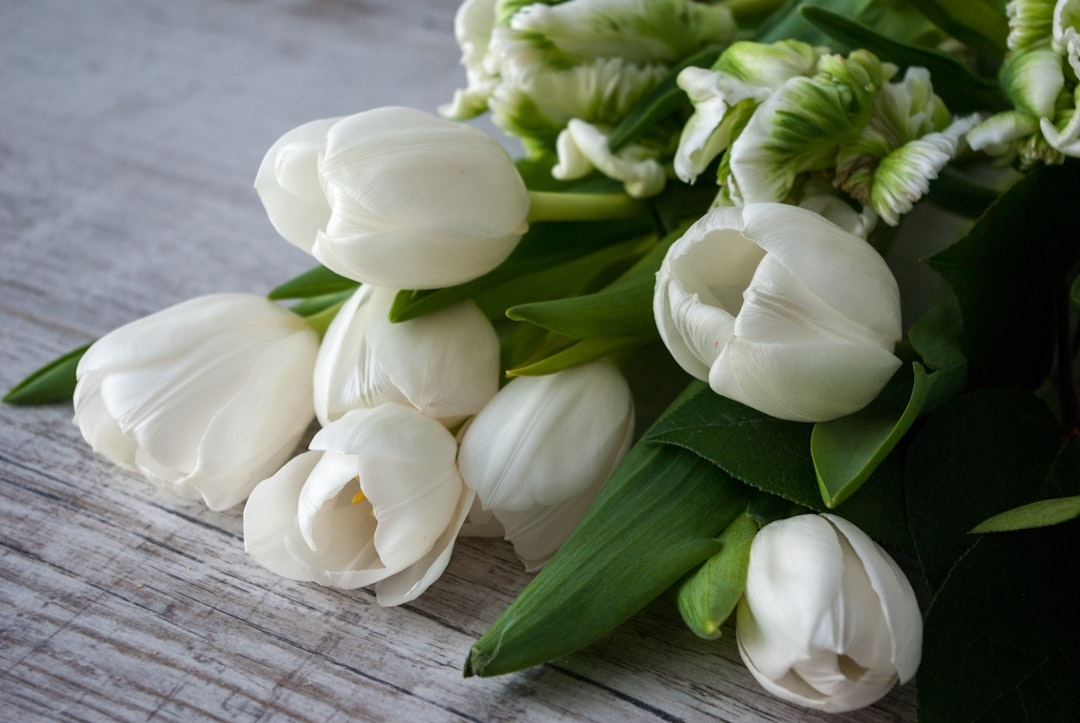
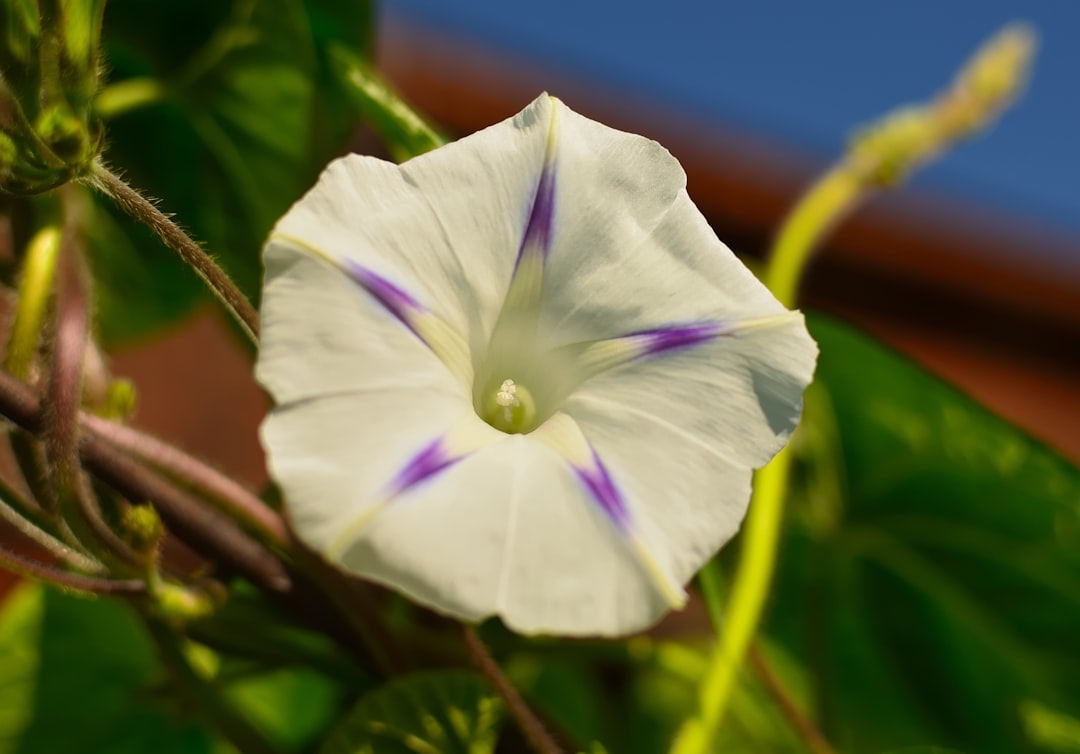
White signals purity, new beginnings, and spiritual openness. Perfect for baptisms, graduation celebrations, or anyone stepping into a new chapter of life. White morning glories paired with greenery make an understated, elegant arrangement that photographs exceptionally well.
Morning Glory Meaning for Weddings and Events
Morning glory symbolism aligns naturally with weddings — the themes of love, new beginnings, and the preciousness of a single day map directly onto what a wedding actually is. They’re not yet a mainstream wedding flower, which works in your favor: they feel distinctive without being obscure.
One practical note: because morning glory blooms close in the afternoon, they’re best suited to morning or early-afternoon ceremonies. If your reception runs into evening, you’ll want to use them as accent flowers in centerpieces rather than primary focal blooms, or opt for silk versions for table decor.
For memorial services and celebration-of-life events, morning glories carry a layered symbolism that few other flowers match — they acknowledge impermanence without being morbid. Planting a morning glory vine in someone’s memory garden is a gesture that keeps giving; a single packet of seeds can produce hundreds of blooms over a season.
Using Morning Glories in Funeral Arrangements
Florists occasionally include morning glories in sympathy work, though they require same-day cutting to stay open during a service. A more lasting tribute: gift a seed packet with a handwritten note explaining the flower’s symbolism. It costs almost nothing and carries enormous meaning.
Practical Tips for Using Morning Glories
Before you commit to morning glories for your event, a few practical details will save you headaches.
- Availability: Fresh morning glories are seasonal — late June through October in most of the US (USDA Hardiness Zones 3–10). Outside that window, you’ll need to source them from specialty tropical growers or consider alternatives like bindweed relatives grown under glass.
- Florist sourcing: Not every florist carries them. Call ahead. A florist who grows their own or sources from a local farm is your best bet. Expect to pay a small premium — roughly $8–$15 per stem from specialty florists, compared to $2–$4 for common varieties like roses or carnations.
- DIY growing: Growing your own is genuinely easy and dramatically cheaper. A $3–$5 seed packet from a garden center yields hundreds of blooms. Sow seeds directly in the ground after the last frost date for your zone, and they’ll flower in 70–85 days.
- Vase life: Cut morning glories last only one day in a vase. For arrangements, cut stems early in the morning when buds are just beginning to open, place immediately in cool water, and use within hours.
- Seed packet (DIY garden): $3–$6
- Fresh stems from a local florist: $8–$15 per stem
- Potted morning glory plant: $5–$12 at garden centers
- Silk/artificial morning glories (for table decor): $1–$4 per stem online
- Wedding floral arrangement featuring morning glories: $80–$200+ depending on size and region
Morning Glory Symbolism in Tattoos and Art
Beyond gardens and events, morning glories appear frequently in tattoo design and decorative art — usually chosen deliberately for their symbolic weight. A morning glory tattoo most commonly represents love that was intense but brief, resilience (the vine grows vigorously even in poor soil), or a personal connection to themes of renewal and daily fresh starts.
In traditional American tattoo style, morning glories appear in bold blues and purples, often wrapped around other symbols. In Japanese tattoo traditions (irezumi), they appear as part of seasonal botanical compositions representing summer and transience.
If you’re incorporating morning glory imagery into event stationery, invitations, or decor, blue and purple watercolor renderings are the most popular choice — they read as elegant rather than rustic, which gives them versatility across event styles.
Frequently Asked Questions About Morning Glory Symbolism
What does a morning glory symbolize in general?
Morning glories symbolize love, affection, renewal, and the beauty of fleeting moments. Across multiple cultures — Chinese, Japanese, Victorian English — the core meaning centers on love that is genuine but temporary, and the importance of appreciating the present.
Are morning glories appropriate for funerals or sympathy gifts?
Yes. Their symbolism of impermanence and peaceful transition makes them a thoughtful choice for memorial services. Because fresh blooms last only a day, gifting seeds or a potted plant is often more practical and lasting than cut flowers for this purpose.
What does a blue morning glory mean specifically?
Blue morning glories represent trust, serenity, and open-hearted love. They are one of the few truly blue flowers in nature, which historically made them especially prized. ‘Heavenly Blue’ is the most iconic variety and widely available at US garden centers each spring.
Can morning glories be used in wedding bouquets?
Yes, with one key consideration: blooms close in the afternoon. Morning and early-afternoon ceremonies are ideal. Work with a florist who can cut stems the same morning as your event, and use the flowers as accents rather than primary blooms if your event extends into evening.
What is the spiritual meaning of morning glories?
Spiritually, morning glories represent the threshold between darkness and light, making them symbols of awakening, daily renewal, and transformation. In some Indigenous Central American traditions, they were used in ceremonies marking transitions and new beginnings.
Ready to Plant a Meaning-Filled Garden or Arrangement?
Morning glories earn their symbolism every single morning — they show up fully, give everything, and gracefully let go. That’s a philosophy worth building a garden, a wedding, or a tribute around.
Start simple: pick up a packet of ‘Heavenly Blue’ seeds this spring, note how they open exactly at sunrise, and see if the symbolism doesn’t click into place on its own. Once it does, you’ll understand why cultures 3,000 years apart landed on the same meaning for the same flower.
Talk to a local florist or garden center about incorporating morning glories into your specific event — and bring this article along so you can have a real conversation about color, timing, and what story you want your flowers to tell.